




In this post Show
Editorial Disclosure
When Chase revamped its most premium card last year, most headlines focused on one thing: the new $795 annual fee.
But while $795 is undeniably steep, almost no one talked about the one perk that’s stayed the same and continues to save me thousands: trip delay reimbursement.
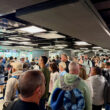
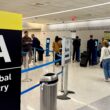
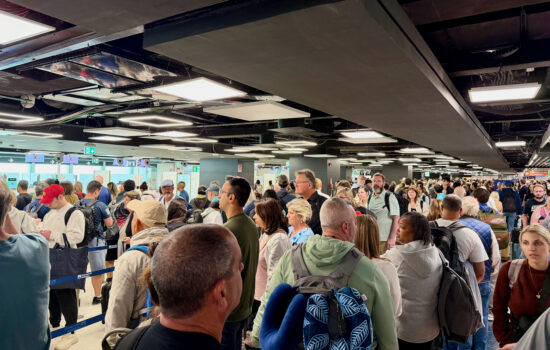
For much of the summer and fall, I kept running into flight delays in the Northeast. Mechanical issues, bad weather, and understaffing. All delays that’ve plagued me (and my family) in recent months.
Fortunately, I’ve been booking all my flights with my Chase Sapphire Reserve® to take advantage of trip delay reimbursement coverage, which I consider the most valuable perk after the $300 annual travel credit.
Even the $95-annual-fee Chase Sapphire Preferred® Card includes trip delay reimbursement coverage, so this is one you won’t want to skip.
Chase Trip Delay Reimbursement basics
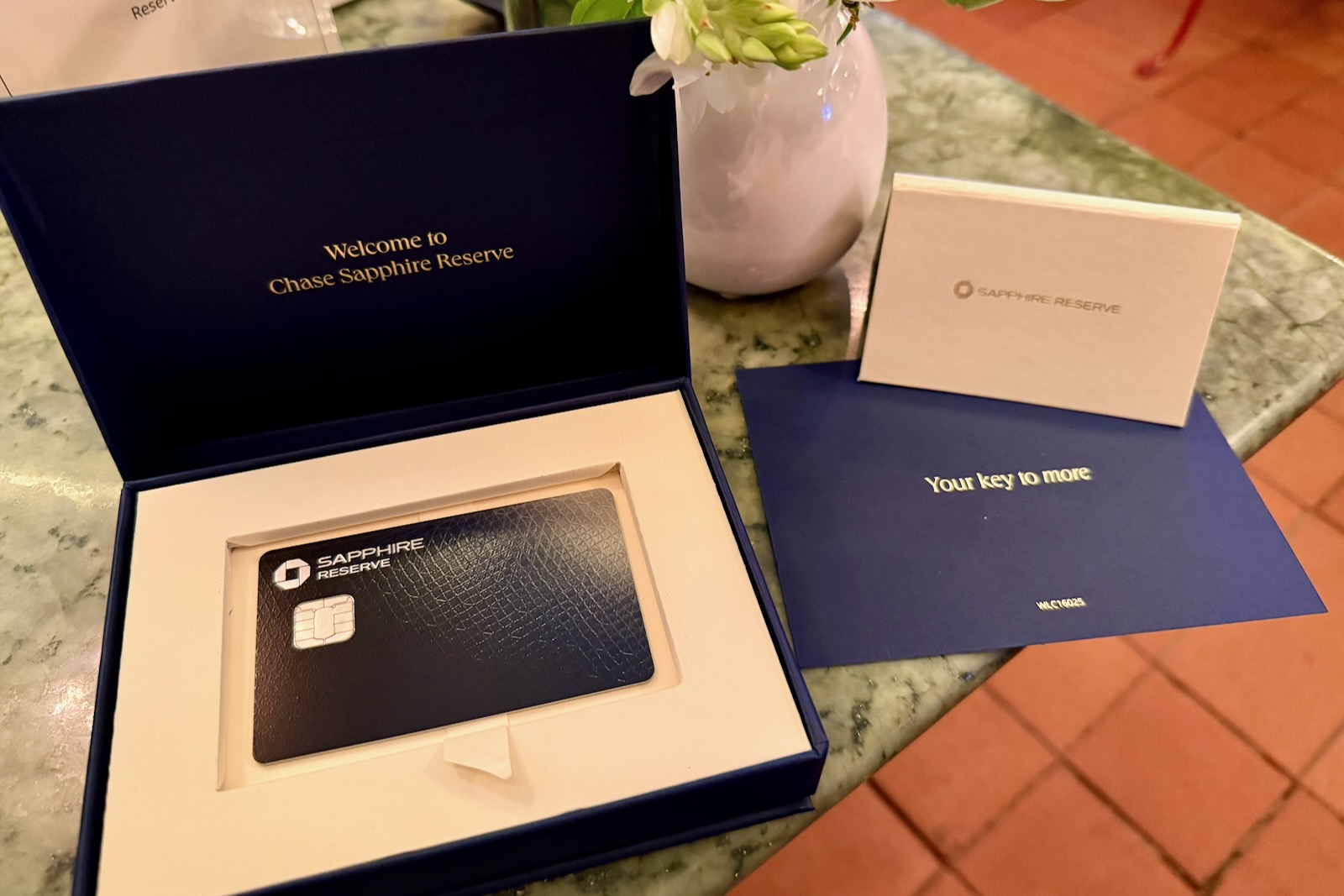
Chase’s Trip Delay coverage will reimburse you up to $500 per covered traveler for expenses incurred due to flight delays. Eligible expenses include lodging, meals, toiletries, medication, and other reasonable expenses, per Chase.
Coverage is automatically included with the Chase Sapphire Preferred and Chase Sapphire Reserve cards.
Here’s what triggers the coverage:
- Preferred card: delay of 12+ hours
- Reserve card: delay of 6+ hours
- Applies to the primary cardholder, as well as your spouse/domestic partner, and kids under 26
Both paid and award tickets are eligible, as long as you pay the taxes and fees using your Sapphire card.
Why is Chase Trip Delay Reimbursement a game-changer
So why do I value the trip delay benefit so highly? Because I’ve had six successful claims this year alone.
Whenever a flight is delayed by six hours (or when a cancellation pushes me to the next flight outside that window), I immediately look for ways to optimize the $500 allowance.
I’ll give you two examples.
On one occasion, I was flying from Asheville to New York, but the flight diverted to Philadelphia due to weather. Instead of waiting around for the continuation flight to New York (which I knew had a high likelihood of being canceled), I booked a last-minute Amtrak Acela ticket and caught an Uber to 30th Street Station. The flight from Philly to New York was indeed canceled, so I submitted all these out-of-pocket expenses to Chase.

Subscribe to the newsletter
Get the front-row look at the evolving world of travel, loyalty, tech and lifestyle — delivered directly to your inbox.
Within two weeks, I had an ACH transfer to my account for the full amount of my expenses.
On another occasion, my parents and I were flying from South Florida to New York on a summer afternoon. Thunderstorms kept delaying our flight, so I needed to take matters into my own hands to make it to New York.
I found us on-time flights to Westchester County, booked pricey last-minute tickets, and even took an Uber into Manhattan after landing.
Submitted all my expenses to Chase and was promptly reimbursed once again.
It’s even easier now
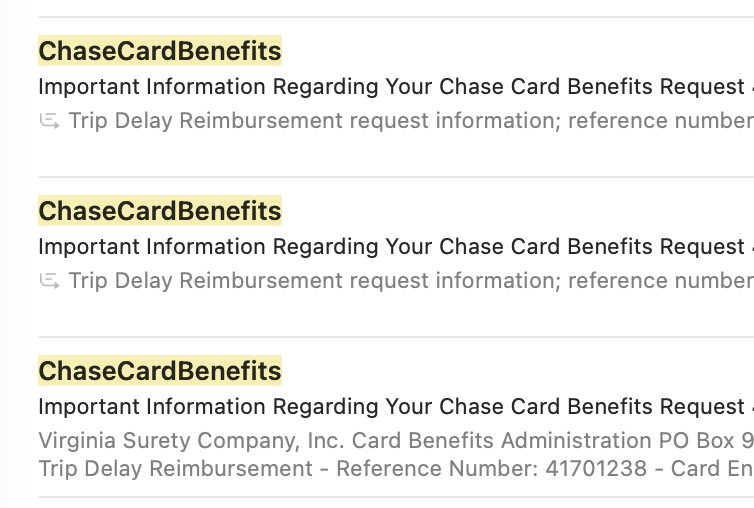
I’ve been using trip delay reimbursement for years, but it’s actually gotten even better recently with the introduction of a seamless online portal for submitting claims. (I used to spend too much time on the 1-800 line with claims adjusters.)
Now I file my claims and upload all my documentation online (the most challenging part is getting the delay-verification letter from your airline). I usually receive an answer within a week, without even having to pick up the phone.
Why Chase beats the competition
I recently learned the hard way that Chase’s trip delay benefit is the best in the biz.
While I normally book all my airfare using the Reserve card to take advantage of the aforementioned benefit, I’ve been paying the taxes for Alaska Atmos Rewards redemptions using the new Atmos™ Rewards Summit Visa Infinite® Credit Card.
That’s because the card includes a waiver of the $12.50 each-way partner booking fee.
What I didn’t realize about this card is that although it offers trip delay reimbursement, the issuer (Bank of America) doesn’t reimburse you for alternative transportation. Nor do they reimburse for tickets booked for family when you’re not traveling.
So while using the card meant that I saved $12.50 on the partner booking fee, I was out $370 for a last-minute flight on another airline when my trip delay claim was denied.
So yes, I’ll be sticking with the Sapphire card for all my flights going forward, even if it means paying the pesky $12.50 fee each time I redeem Atmos points.
At this point, Chase’s trip delay benefit has paid for itself many times over, and in my mind, it’s still one of the most overlooked perks in the credit card world.
Subscribe to the newsletter
Get the front-row look at the evolving world of travel, loyalty, tech and lifestyle — delivered directly to your inbox.

Does this only apply for true “round trip” ticket purchases, or does it also cover one way tickets?
Covers one-ways too
Hi Zach – I’ve seen conflicting reports on whether the CSR/CSP trip delay benefit covers alternative transportation, so I haven’t personally tested it out myself. Do you know if it’s a courtesy or policy?
My understanding is that it is policy. Nearly every Trip Delay claim I file includes alternative transportation, and have never personally had an issue. Whereas with the Atmos Summit card, alternative transport is explicitly excluded.
So if you book alternate transport (such as switching from plane to train in your PHL-NYC example, does the train also need to arrive outside the 12 hour window for the Preferred card? Or does the mere act of switching transport modes automatically qualify for reimbursement irrespective of the 12 hour delay requirement on the original flight?
Your originally booked form of transportation needs to be 12+ hours delayed in the case of the Preferred card
The alternative transportation cost needs to be within the $500 allowance given by Chase too?
Yep