






In this post Show
Editorial Disclosure
United’s move to introduce dynamic pricing for upgrades has raised more questions than answers.
If history is any indication, many upgrades will likely require more PlusPoints (United’s upgrade currency) than they do today. That’s largely what happened when the airline eliminated mileage award charts.
Now that it’s doing the same for upgrades, will the outcome be any different? Personally, I’m hopeful.
But to really understand what’s coming, I turned to the person who knows best: Luc Bondar, United’s president of MileagePlus.
Here’s what he told me, and what flyers should expect.
Related: Winners and losers from United’s loyalty shake-up
PlusPoints were designed for dynamic pricing
When United introduced PlusPoints in 2019, the airline always intended for them to eventually become dynamic.
While PlusPoints debuted with a fixed upgrade chart, the shift from single-use Regional and Global Premier Upgrades to a “points” system gave United the technical infrastructure needed to vary pricing.
“Global Premier Upgrades and Regional Premier Upgrades were a unit of currency that had the same value regardless of whether you were redeeming a London to New York flight or a Sydney to San Francisco flight. That didn’t make sense to me,” explained Bondar.
“So when we moved to PlusPoints and went to a much smaller unit of currency, the intent was to create a system that would allow us eventually to move to dynamic pricing,” he added.
Bondar joined United in 2017 with what he calls “a really strong appreciation for the value of market-driven and dynamic models.” One of his early ambitions was to bring dynamic pricing more broadly into MileagePlus.
First came dynamic awards. Now, dynamic upgrades
Dynamic upgrades build on dynamic awards
United eliminated award charts for its own flights in 2019 and for Star Alliance partners in 2020.
Bondar and his team have spent years refining dynamic pricing, and those same principles are coming to upgrades.
“We looked at award pricing and eliminated the saver chart, and the design principles haven’t changed,” he said.
“On those super-peak, high-demand days… we make it more expensive to use your miles because optimally the airline wants to sell seats [in cash]. But we want to provide more value when customers can be more flexible.”
Like it or not, dynamic pricing is now a core part of MileagePlus economics.
Expect a wide spectrum of PlusPoints pricing
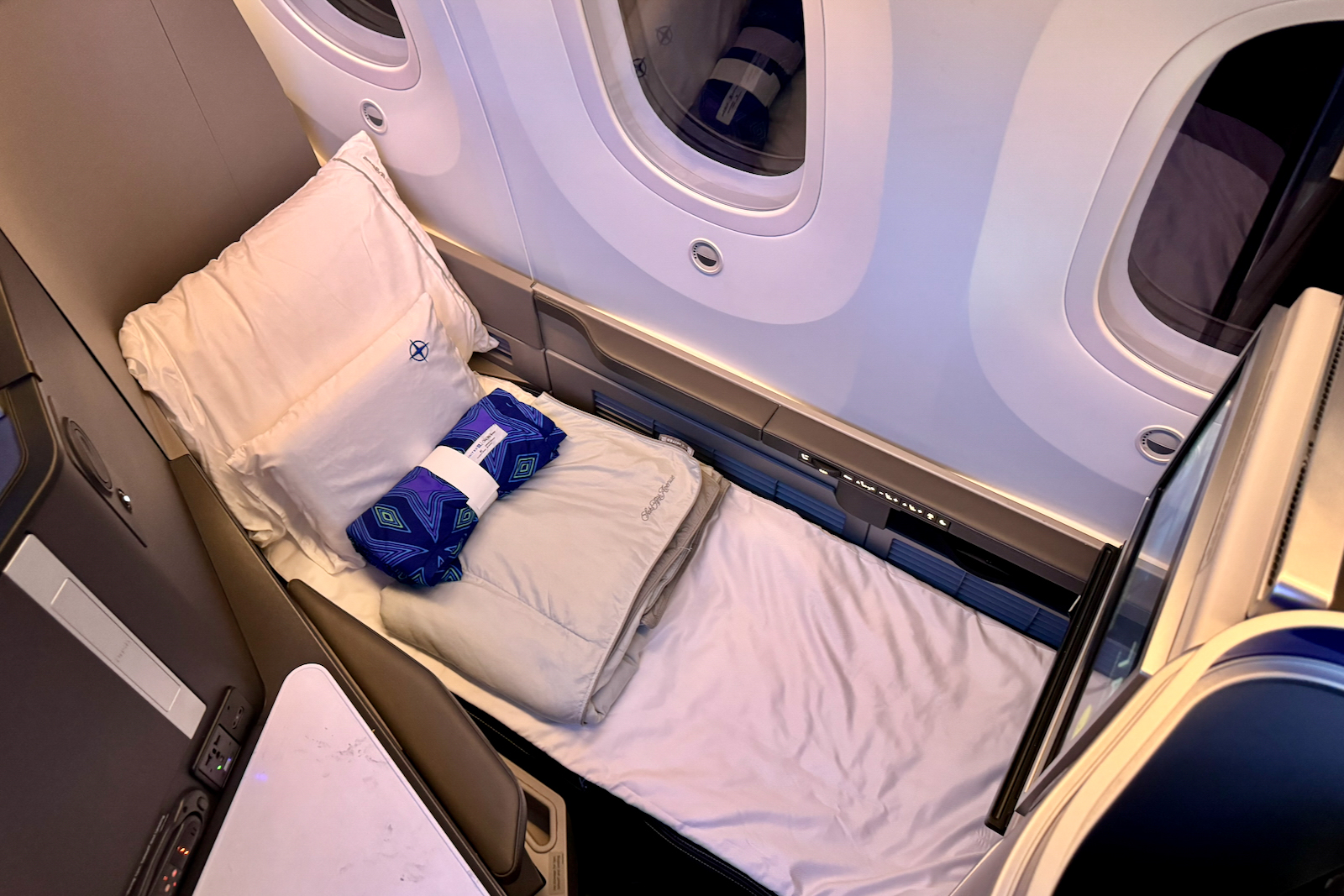
While Bondar didn’t reveal specific numbers (the team hasn’t even put the finishing touches on the pricing yet), his examples depicted that dynamic pricing will meaningfully widen the pricing bands.
Bondar didn’t share exact numbers (the team hasn’t even put the finishing touches on the pricing yet), but his examples were telling.
“If you want to redeem PlusPoints for, say, Chicago into London or Paris in the middle of summer on a Thursday evening, that’s going to cost you more. But that same flight at a different time of year, on a different day, will cost less.”
The message is clear. The gap between peak and off-peak pricing will widen meaningfully. Not necessarily surprising, but it’s interesting to hear United’s strategy.
Prices will move in concert with demand
One of the big outstanding questions is whether United would “lock in” upgrade prices once a flight opens for sale. Bondar’s answer was unambiguous.

Subscribe to the newsletter
Get the front-row look at the evolving world of travel, loyalty, tech and lifestyle — delivered directly to your inbox.
“I don’t think you’ll see PlusPoints pricing changing by the minute like award pricing can, but I also don’t think you’ll see a fixed set of prices. It will be a model that is truly dynamic,” he said.
“As demand ramps up… I would expect the price to increase. If demand hasn’t been fulfilled, I would expect the price to fall.”
All this to say, upgrade prices will change as a given flight fills up.
Waitlist process is TBD
Dynamic pricing introduces interesting questions around upgrade waitlists. If pricing changes, what does a waitlisted flyer actually pay?
Do you pay the price when you joined the list? The price at clearing? The lowest price between booking and departure? And how do Premier status and fare class factor into prioritization?
Bondar wasn’t ready to reveal specifics.
“I couldn’t tell you exactly how every element is going to be resolved,” he said.
But he emphasized that the system must feel fair.
“Our goal is not to have arbitrage opportunities or loopholes… but to make it a very fair, even system. We have to ensure customers feel they’re not hurt by bidding early or late.”
Dynamic pricing as a loyalty engine
Dynamic pricing may eliminate upgrade “sweet spots,” but Bondar makes no apologies.
“Fundamentally, the value we’re giving out has to align with the value that’s coming in,” he said.
Pressed further, he tied upgrades more explicitly to loyalty engagement, and especially to cobranded card spend.
“We want to give more customers a reason to be brand loyal to United… to invest in being a MileagePlus member, to get more value because they carry our cards, to invest in being in this ecosystem.”
The logic is simple: the more you fly and the more you spend on United credit cards, the more PlusPoints you earn. The more PlusPoints you have, the more upgrade opportunities you can pursue.
Dynamic pricing spins the loyalty flywheel faster.
Improved upgrade success
Look at most United upgrade lists today, and you’ll see dozens of elites vying for just a handful of open seats. Bondar readily acknowledges this isn’t sustainable. And it’s part of why unused PlusPoints balances have grown.
“We recognized last year that customers had more PlusPoints left at the end of the year than we wanted them to… We want customers to see real utility and value when they go to use this currency,” he said.
“If you really want that high-demand flight, you’re willing to pay more… and that increases the probability of success.”
In theory, dynamic pricing should redistribute demand and lead to more elites actually clearing upgrades.
Bottom line
My conversation with United’s loyalty chief made one thing clear: this shift has been years in the making.
Dynamic PlusPoints represent a fundamental rethinking of how United allocates upgrade value. There’s still plenty we don’t know, especially around waitlists, but United believes dynamic pricing will better align supply, demand, and loyalty incentives.
It’s another structural evolution of MileagePlus, designed to reward the flyers who engage most deeply with the brand. Only time will tell if travelers see it that way.
Subscribe to the newsletter
Get the front-row look at the evolving world of travel, loyalty, tech and lifestyle — delivered directly to your inbox.



Comments Disclosure
Responses are not provided by or commissioned by any bank advertisers. Responses have not been reviewed , approved, or endorsed by any bank advertisers. It is not the responsibility of the bank advertiser to respond to comments.