

In this post Show
Editorial Disclosure
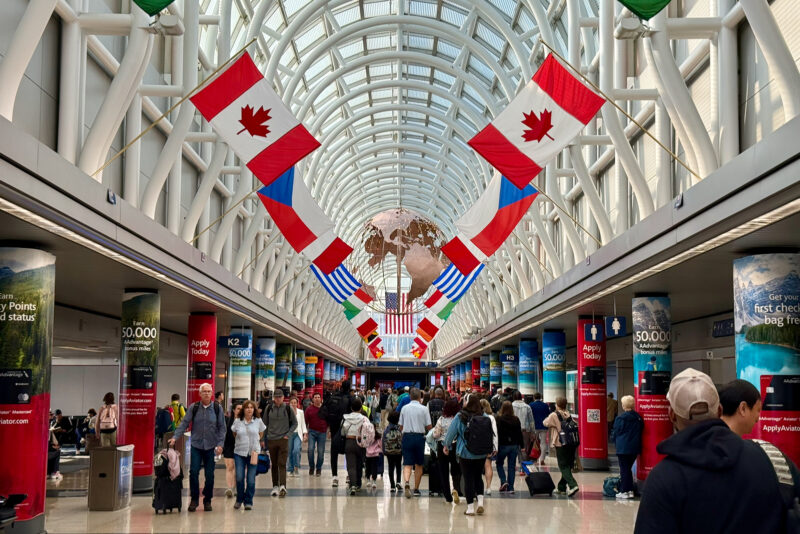
It’s no secret that American Airlines and United Airlines are fighting tooth and nail for dominance at Chicago’s O’Hare International Airport (ORD).
Both carriers operate hubs in the city, but only one can realistically be the bigger airline.
Over the past two weeks, that rivalry has intensified. United CEO Scott Kirby claimed that American is on track to lose $1 billion at O’Hare this year. American fired back on its fourth-quarter earnings call, saying it’s building the hub back to profitability.
It doesn’t stop there. United announced — on the very same morning as American’s earnings call — that it will operate its largest-ever summer schedule from O’Hare, with up to 750 peak-day departures. American, meanwhile, said it plans to grow to between 500 and 550 peak-day departures.
For Chicago-based travelers, all of this competition is unequivocally good news. More competition should put downward pressure on fares and help open up more award and upgrade availability.
However, beneath the headlines, there are three big questions that surprisingly haven’t gotten much attention.
Can O’Hare actually handle the growth?
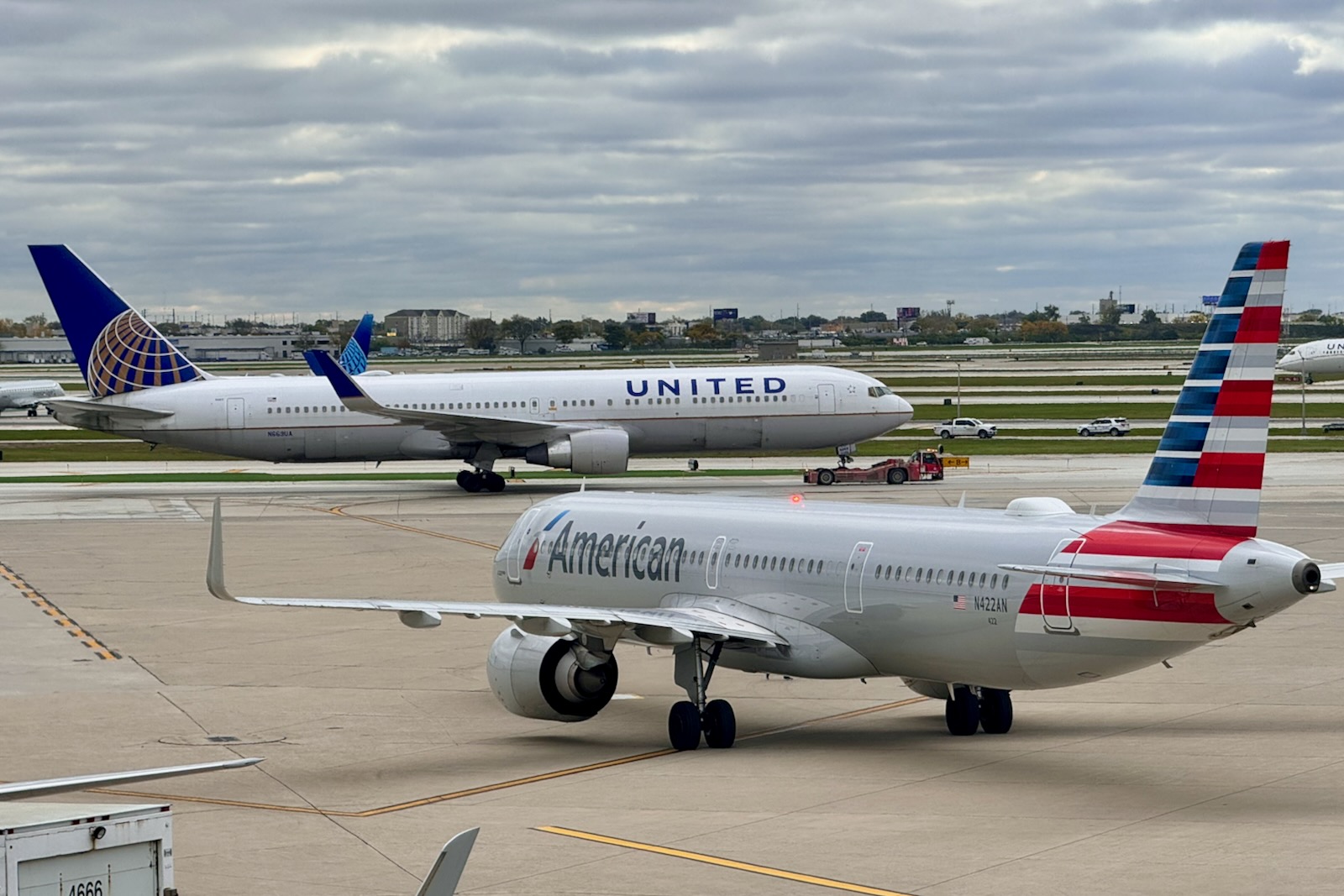
If you’ve flown into O’Hare recently, you may have spent 30 minutes or more taxiing to the gate. (Some flyers joke that landing on runway 9L/27R feels like touching down in Milwaukee and driving the rest of the way.)
Long taxi times aren’t new at O’Hare, but they’re poised to get worse.
Construction is ramping up on the new Concourse D, further constraining airfield operations. That’s before you even factor in all the additional daily flights (on larger planes) from American and United.
And that’s before you factor in all the growth that American and United are adding at the airport.
Both airlines say they’re being strategic about when they add capacity, spreading flights across the day to minimize operational strain.

Subscribe to the newsletter
Get the front-row look at the evolving world of travel, loyalty, tech and lifestyle — delivered directly to your inbox.
But at a certain point, it’s just a numbers game. If one carrier overschedules a peak departure bank, the other may feel compelled to follow suit to avoid losing ground.
Could O’Hare become slot-restricted again?
If operations deteriorate, the Federal Aviation Administration could step in.
Right now, O’Hare is classified as a Level 2 airport by the FAA. (Other Level 2 airports include Los Angeles, San Francisco, and Newark.)
That means airlines must submit their schedules for review, with the agency evaluating them based on historical performance and runway capacity to ensure they’re feasible and won’t cause delays.
Last year, Newark was in the spotlight after persistent delays led the FAA to impose strict limits on arrival and departure rates. In extreme cases, the agency can go a step further and reinstate formal slot controls, requiring airlines to hold permission to operate at specific times.
If Chicago’s congestion starts to resemble Newark’s, it wouldn’t be surprising to see the FAA intervene at O’Hare as well.
Can the airport roadways handle more passengers?
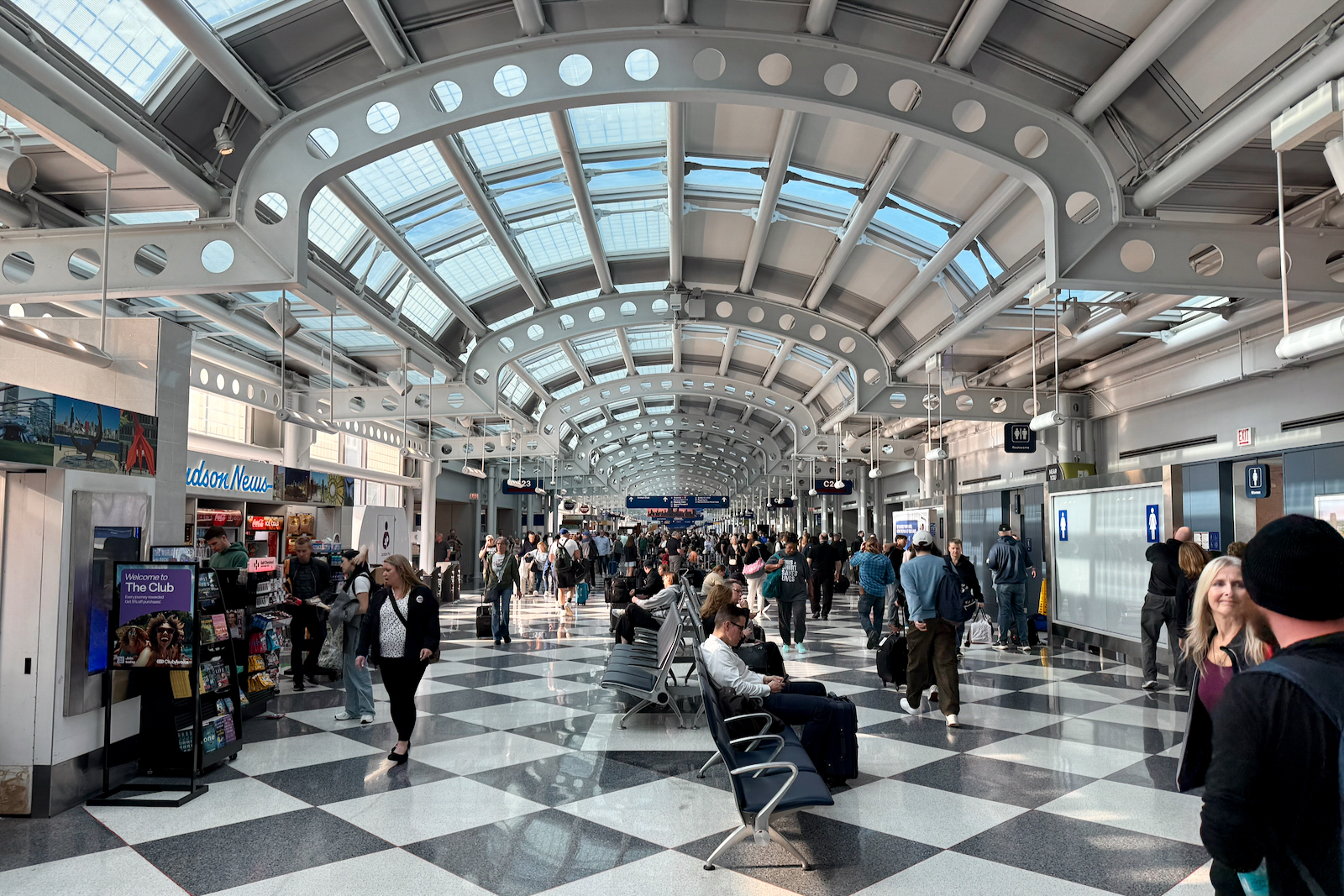
Airside isn’t the only potential chokepoint.
O’Hare’s Terminals 1, 2, and 3 are laid out in a horseshoe configuration, and anyone who’s driven to or from the airport knows that traffic can back up during peak periods.
More flights (with larger planes) means more passengers taking cars, rideshares, and buses.
If the growth announced by American and United translates into significantly higher local traffic — which the two airlines claim it will — curbside congestion could become an even bigger headache than it already is.
Subscribe to the newsletter
Get the front-row look at the evolving world of travel, loyalty, tech and lifestyle — delivered directly to your inbox.


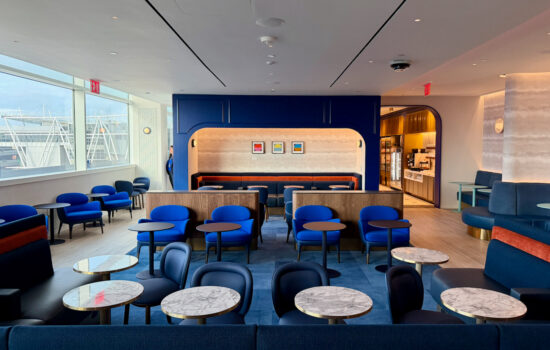
Chicago is already a horrible airport for Lounges (no other huge hub has less Credit Card Lounges). It can’t handle any more growth and risks having Newark like experience for customers. Sure its probably good for fares but the ORD taxiing situation which you highlight is INSANE.