



In this post Show
Editorial Disclosure
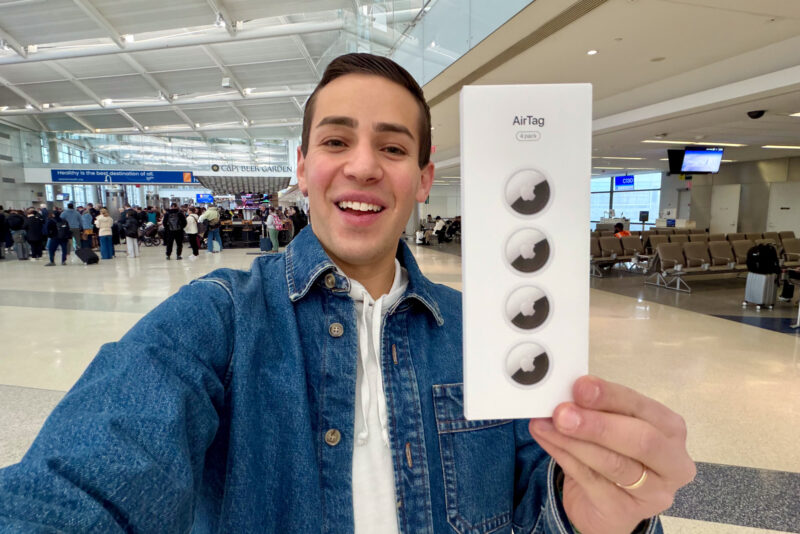
Apple just announced its long-awaited second-generation AirTags.
And before they were even unveiled, I had the chance to travel with them.
If you want a quick look at how they work in the real world, I just dropped a hands-on video on Instagram. Below are some early impressions (with photos) after traveling with Apple’s newest tracker.
Buy Apple’s AirTags now. $29 for one, or $99 for a four-pack.
Apple’s new AirTags: Same $29 price
The best part of the original AirTag remains intact: the price.
You can pick up a single AirTag for $29 or a four-pack for $99. (Plus, personalized engraving remains free if you order from Apple.)
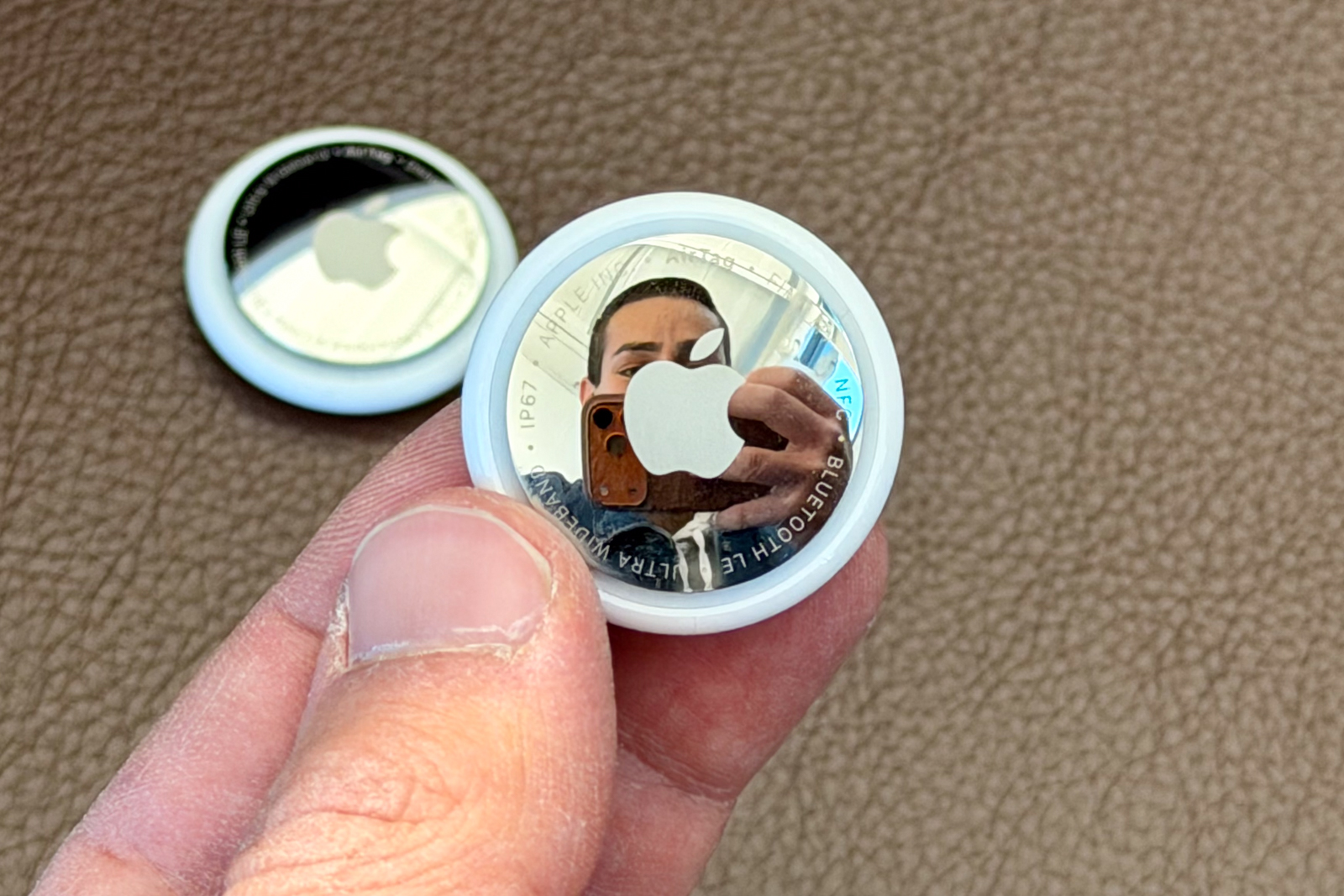
At first glance, the design hasn’t changed either. The second-generation AirTag looks nearly identical to the original, with the same small, stainless-steel puck design.
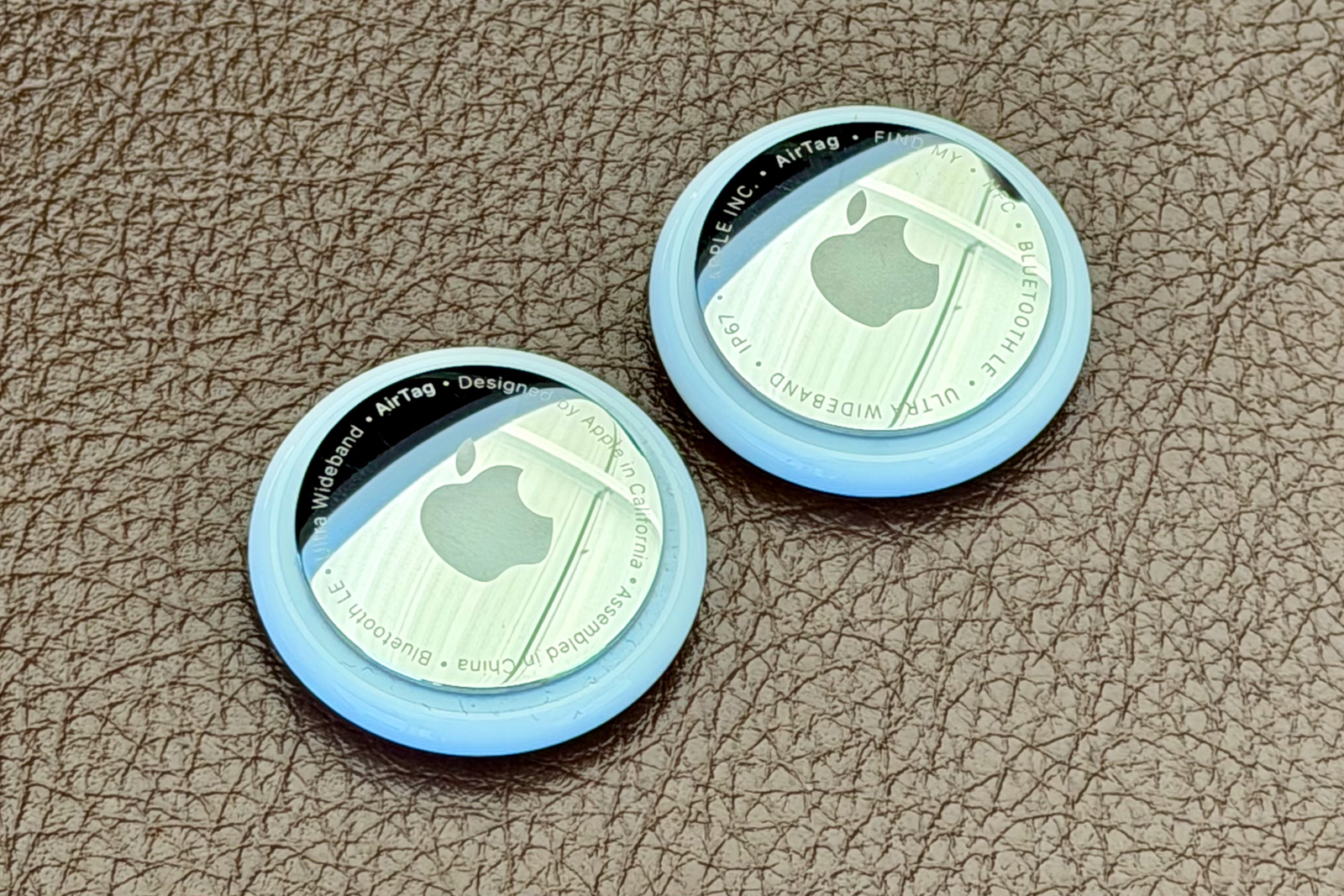
The easiest way to tell them apart is by flipping them over. The text etched on the back is different on the new model — it now includes “IP67” for water- and dust-resistance, along with “NFC” and “Find My.” The markings are also printed in all caps.
Apple’s new AirTags: Longer range
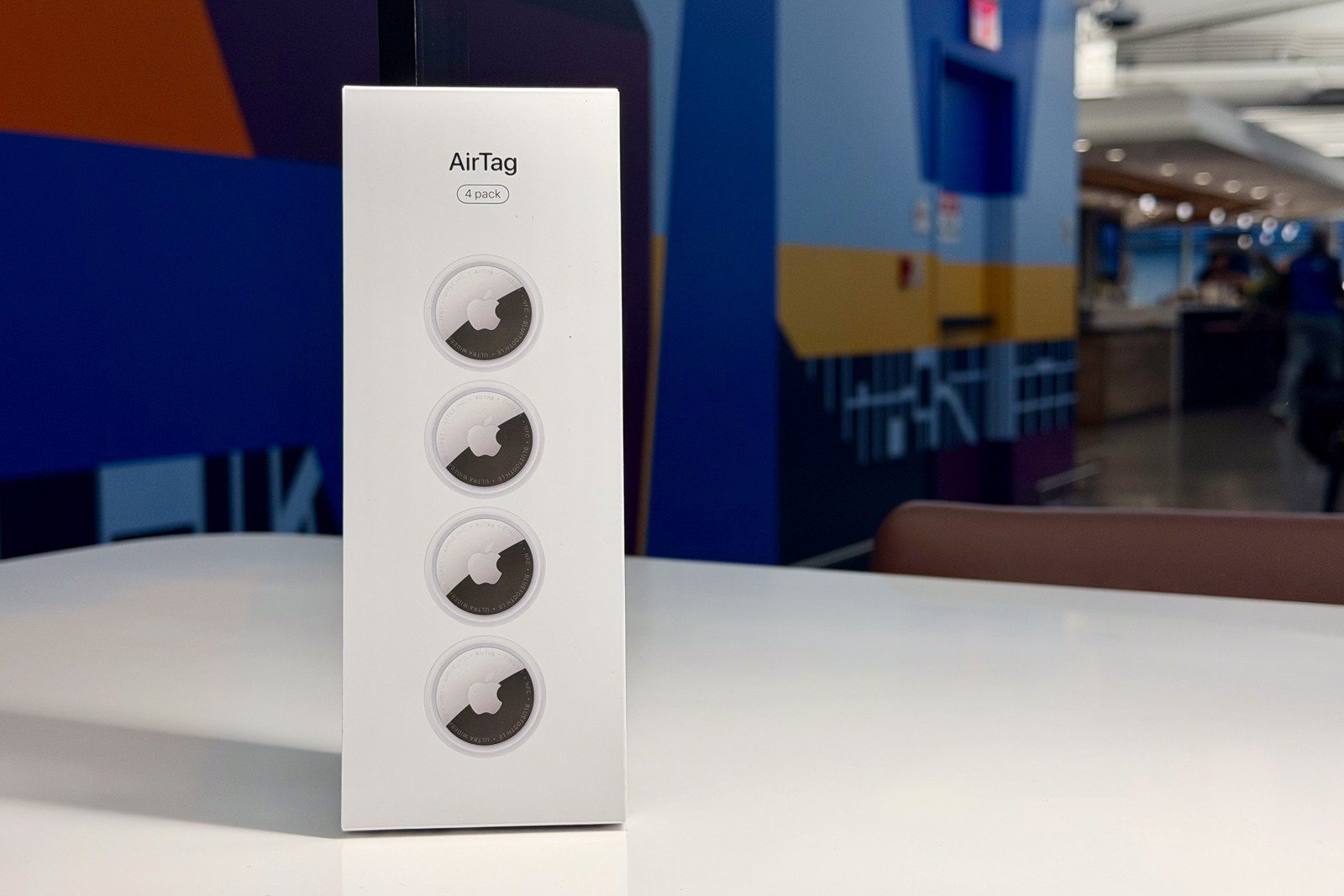
The biggest upgrades live on the inside.
The new AirTag is powered by Apple’s second-generation Ultra Wideband chip, which extends the effective tracking range by up to 1.5x. In practical terms, that means you should be able to find a lost item more quickly than before.
That extra range could make a real difference when you’re searching a crowded airport, parking garage, or hotel lobby.
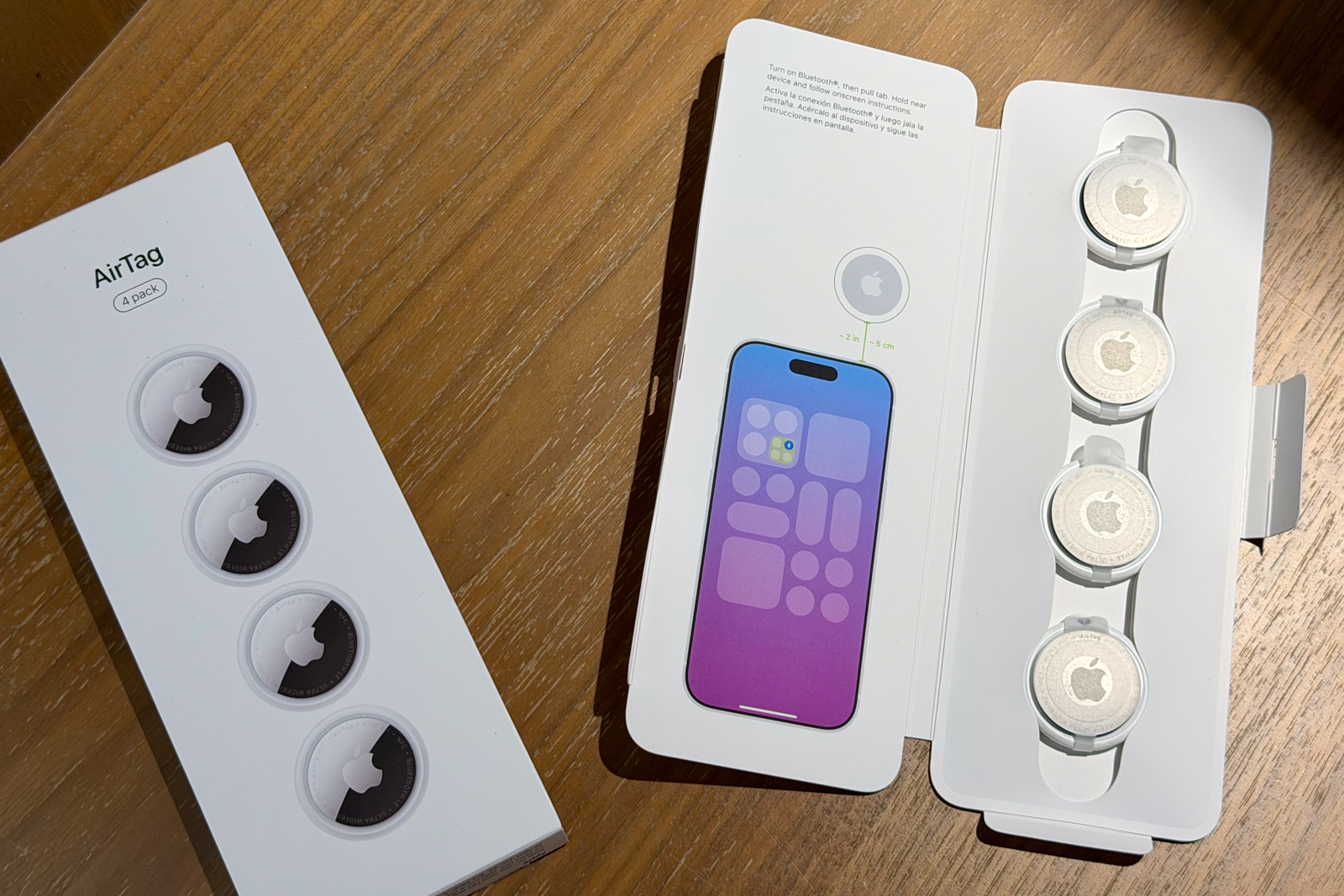
Plus, for the first time, Precision Finding is available on the Apple Watch.

Subscribe to the newsletter
Get the front-row look at the evolving world of travel, loyalty, tech and lifestyle — delivered directly to your inbox.
Instead of pulling out your iPhone, you can now use a compatible Apple Watch to get directional guidance — distance, arrows, and haptic feedback — to track down a misplaced item.
This isn’t the headline feature for me. Anything that improves the odds of actually recovering a lost bag matters far more than where the arrows appear.
Apple’s new AirTags: Better Bluetooth
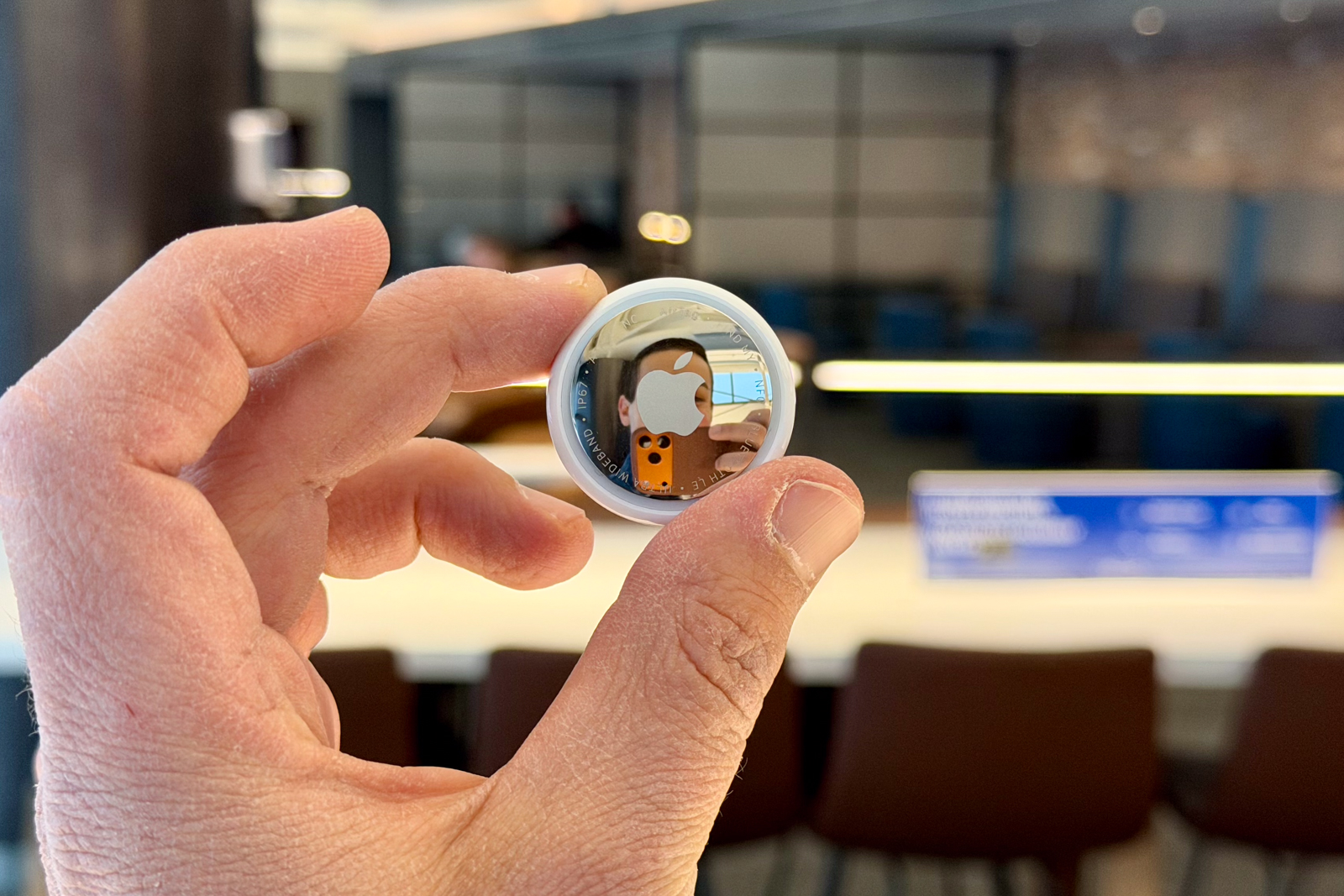
Apple also upgraded the AirTag’s Bluetooth chip.
Because AirTags rely on nearby Apple devices to anonymously relay their location, stronger Bluetooth performance should translate into more frequent and reliable location pings.
Apple’s new AirTags: Louder speaker
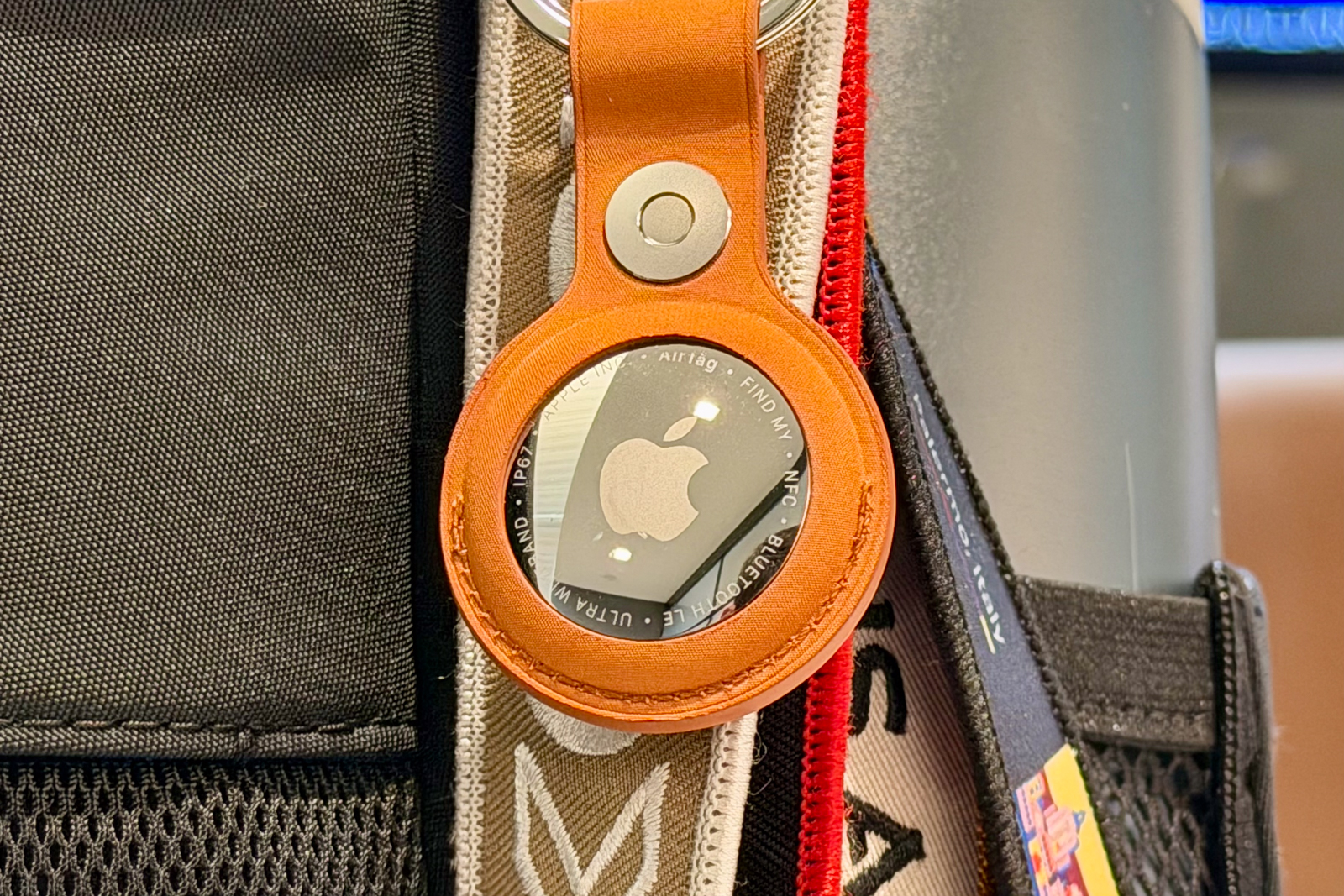
The internal speaker has been redesigned.
Apple says the new AirTag is up to 50% louder and features a more distinctive chime. That may sound minor, but I do think the new chime is far more noticeable than the previous one.
Apple’s new AirTags: Airline support
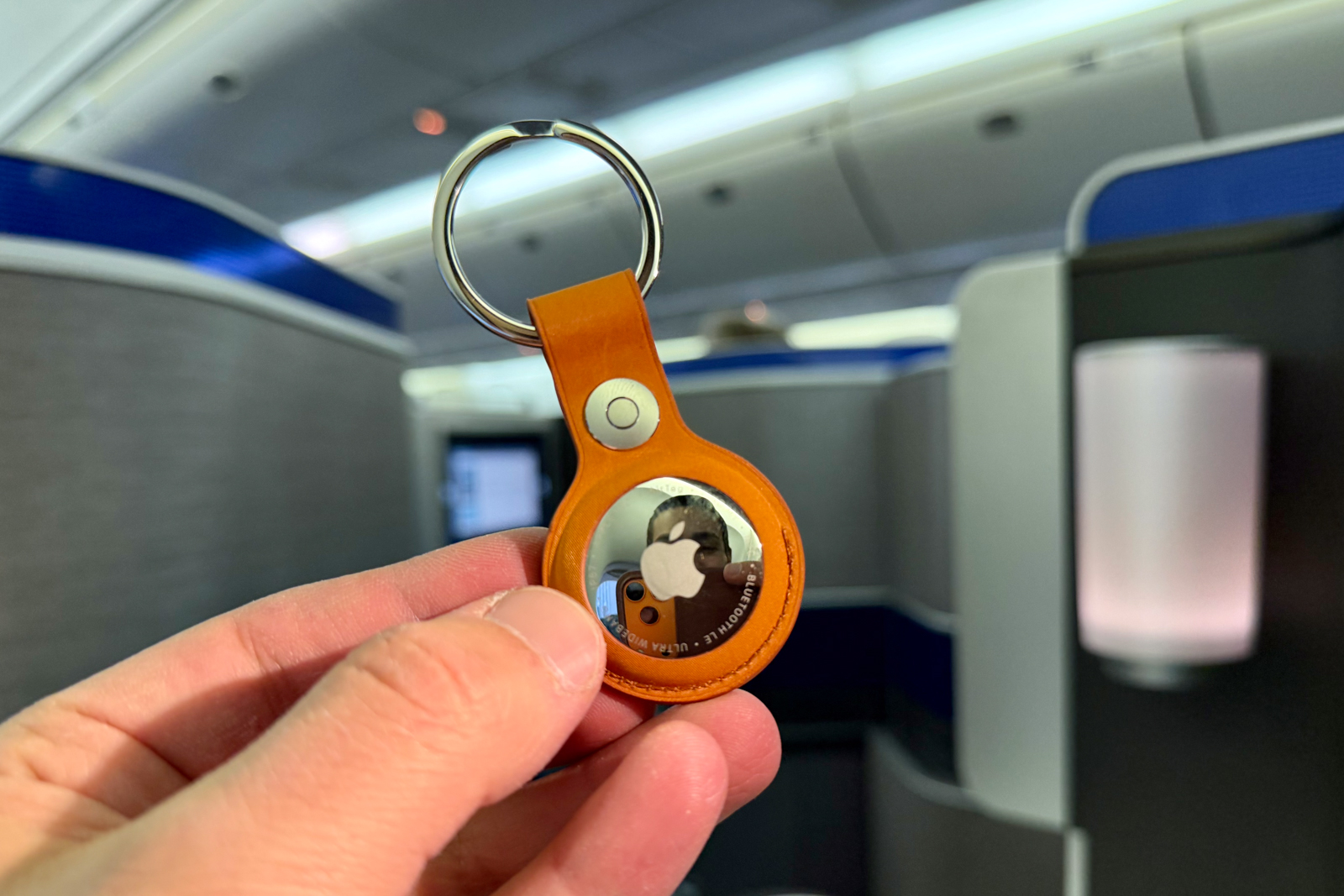
Just like the now-retired original AirTag, the new model supports Share Item Location.
This feature lets you temporarily share your AirTag’s location with a trusted third party — including airlines — if your bag goes missing.
Apple has already partnered with 36 airlines, including American, Delta, and United, and plans to add support for 15 more carriers soon. You’ll find the full list of supported airlines below.
Bottom line
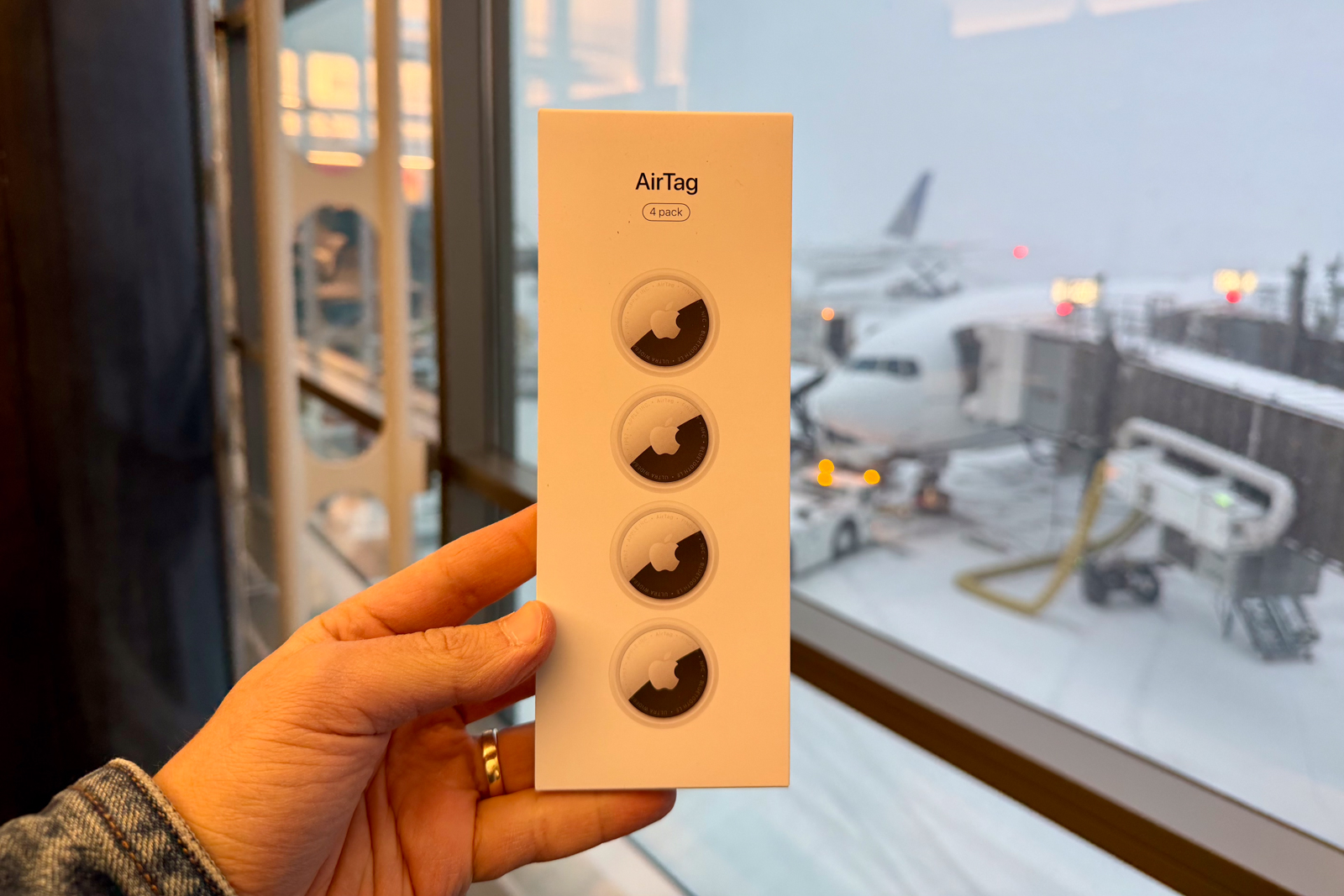
At the same price point as the original — and with meaningful upgrades across the range, improved tracking reliability, and better audibility — the second-generation AirTag feels like an easy recommendation.
If you’re already using AirTags, upgrading could even make sense. And if you’ve been on the fence, this new version finally gives you even more reason to buy in.
Apple Share Item Location supported airlines
- Aer Lingus
- Air Canada
- Air France
- Air India
- Air New Zealand
- Ajet
- American Airlines
- Austrian Airlines
- Breeze Airlines
- British Airways
- Brussels Airlines
- Cathay Pacific
- China Airlines
- Condor
- Copa Airlines
- Delta
- Eurowings
- Finnair
- Flair Airlines
- Iberia
- JetBlue
- KLM
- LATAM
- Lufthansa
- Pegasus
- Porter
- Qantas
- Saudia Airlines
- Singapore Airlines
- Sun Express
- Swiss
- Turkish Airlines
- United
- Virgin Atlantic
- Vueling
- WestJet
Subscribe to the newsletter
Get the front-row look at the evolving world of travel, loyalty, tech and lifestyle — delivered directly to your inbox.


Comments Disclosure
Responses are not provided by or commissioned by any bank advertisers. Responses have not been reviewed , approved, or endorsed by any bank advertisers. It is not the responsibility of the bank advertiser to respond to comments.