





In this post Show
Editorial Disclosure
Update (12/1/25 at 5 p.m. ET): JetBlue says that it “resumed regular operations after working through the requirements of the FAA airworthiness directive and does not anticipate any additional cancellations related to this.”
Note that stranded travelers may still need to wait for spare seats on other flights to finally get home.
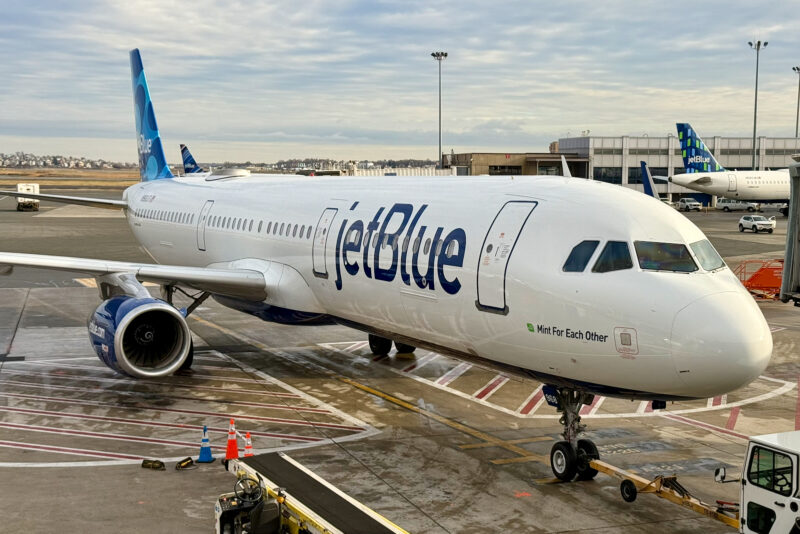
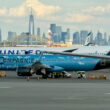
JetBlue Airways left thousands of passengers stranded during one of the busiest travel weekends of the year, but it wasn’t exactly the airline’s fault.
The New York-based carrier canceled 169 flights and delayed 472 more on the Sunday after Thanksgiving, according to FlightAware data. That’s thousands of travelers suddenly scrambling for alternatives on one of the hardest days of the year to find spare seats.
JetBlue logged more than double the cancellations of its next-closest competitor, United (which had 71). And while operational snafus aren’t new in the airline world, this one had an unusual root cause: a major Airbus software recall that popped up on Friday afternoon.
Here’s why JetBlue got hit so much harder than everyone else.
Bigger portion of the fleet
When Airbus announced a recall of potentially faulty flight-control software, it instructed aviation regulators worldwide to mandate a fix for roughly 6,000 Airbus A320-family jets.
The Federal Aviation Administration gave airlines until Saturday night to complete the required software rollback. Otherwise, planes would need to be taken out of service until the changes were made.
Right from the start, JetBlue faced outsized exposure. The airline had 150 affected aircraft, nearly 70% of its A320 and A321 fleet, according to Cirium, an aviation analytics company.
American had 209 affected jets (around 40% of its A320 family fleet), while Delta had fewer than 50. United had just six.
Frontier, which also operates an all-Airbus fleet, had 144 aircraft impacted, but it managed to perform the necessary software rollback without canceling flights.
Why JetBlue had so many affected planes
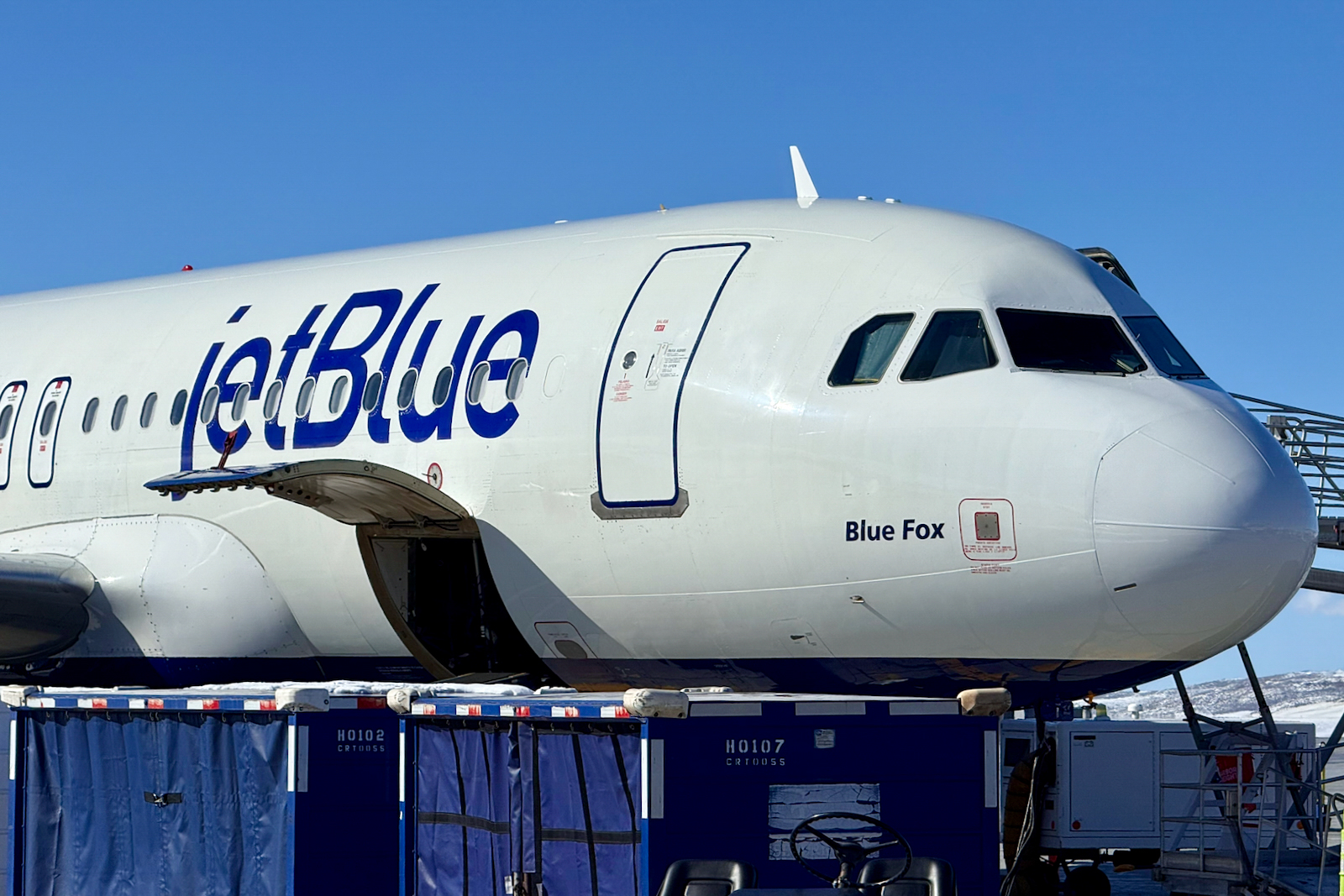
Perhaps the biggest question is how JetBlue ended up with so many more affected planes than its rivals.
Turns out, the Airbus recall affected a newly updated flight computer software version, dubbed L104, that the planemaker had encouraged airlines to install as part of the so-called “Safety Beyond Standard” program, reported FlightGlobal.
JetBlue had rolled out the L104 update across more of its fleet than most other U.S. airlines, as seen by the number of affected jets.
(In an ironic twist, it was JetBlue that helped Airbus and regulators initially identify the software issue after an Oct. 30 inflight incident when a JetBlue A320 suffered a temporary loss of flight control and a sudden descent.)
In other words, JetBlue adopted the new software early and paid the price after the flaw was discovered.

Subscribe to the newsletter
Get the front-row look at the evolving world of travel, loyalty, tech and lifestyle — delivered directly to your inbox.
Fixing the faulty Airbus software
Think of L104 like an iPhone software update.
If Apple pushes a new iOS build with a bug, it might release a patch or ask users to revert to an earlier version.
Airbus did the same: it effectively recalled the L104 update and told airlines to revert to version L103, per FlightGlobal.
But downgrading an aircraft’s flight-control system isn’t as easy as plugging an iPhone into a MacBook.
To restore the previous software version on affected jets, airlines generally have two options: connect the flight computer to an external device to install the previous software, or physically replace the flight computer with another one running the earlier software.
Many flight deck systems support the quicker “plug-in” method.
But not all flight computers have the necessary port to attach to an external device. In which case, airlines need to replace the affected flight deck computer, according to Paddle Your Own Kanoo.
JetBlue didn’t say how many of its aircraft required a full computer swap, but an internal memo I viewed that was also shared by xJonNYC confirms the airline had to source a number of replacement computers from third-party vendors.
And sourcing these flight-deck components from across the globe doesn’t happen overnight, leading to many of the cancellations.
JetBlue’s operational impact
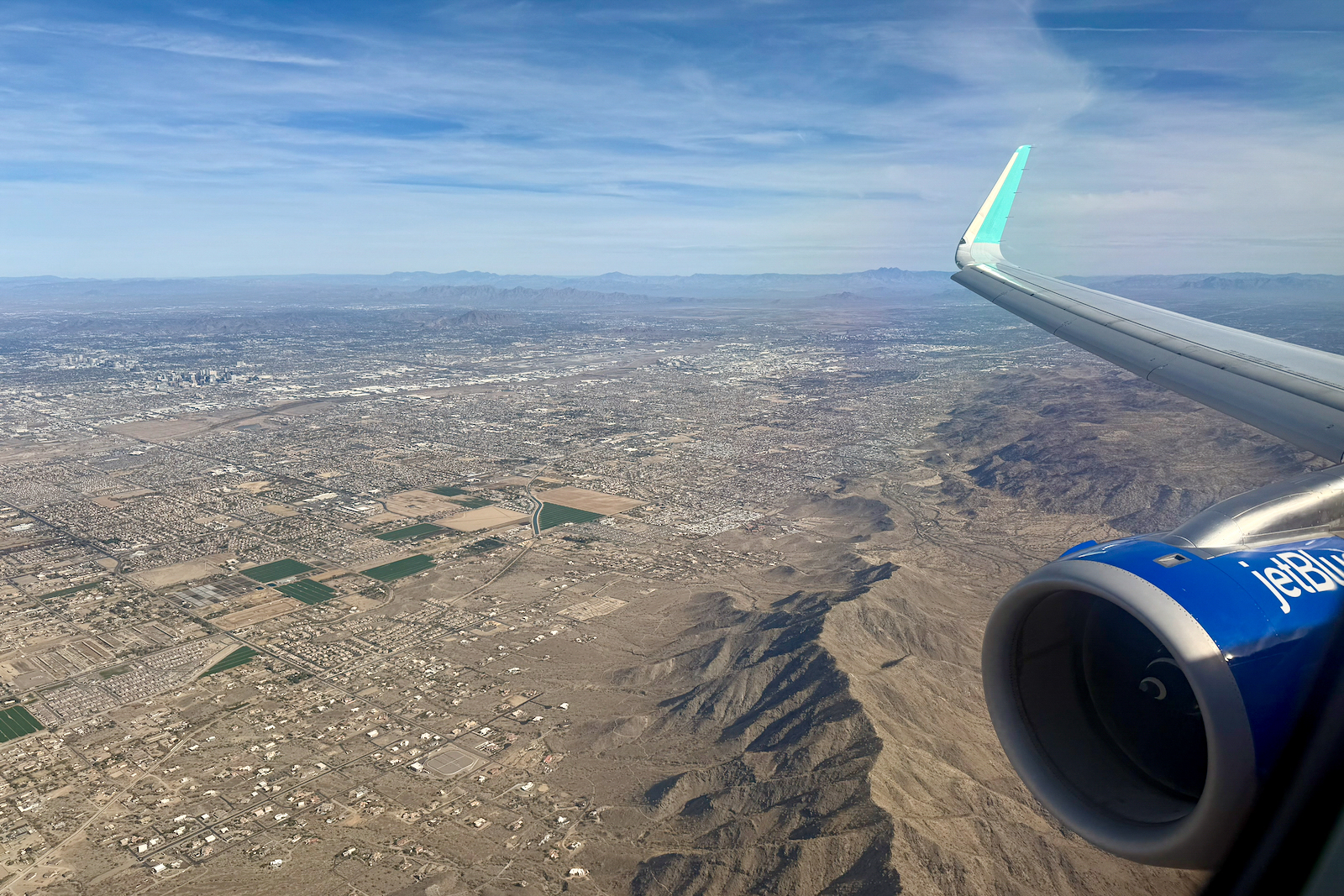
With the holiday weekend now over, JetBlue says it’s close to fully restoring service.
The airline said in a statement that “as of Monday morning, we expect to have completed and returned to service approximately 137 of the 150 affected aircraft.”
The airline has so far canceled 22 flights as of 9:45 a.m. on Monday, according to FlightAware data.
The good news is that with the majority of affected aircraft restored, software-related cancellations should ease quickly.
That said, JetBlue added that “additional cancellations are possible as we continue working through the software updates.”
But even with operations stabilizing, the downstream effects remain.
Thousands of travelers spent the weekend (and likely also Monday) trying to find open seats on already-packed flights home after Thanksgiving.
Subscribe to the newsletter
Get the front-row look at the evolving world of travel, loyalty, tech and lifestyle — delivered directly to your inbox.


Comments Disclosure
Responses are not provided by or commissioned by any bank advertisers. Responses have not been reviewed , approved, or endorsed by any bank advertisers. It is not the responsibility of the bank advertiser to respond to comments.