



In this post Show
Editorial Disclosure
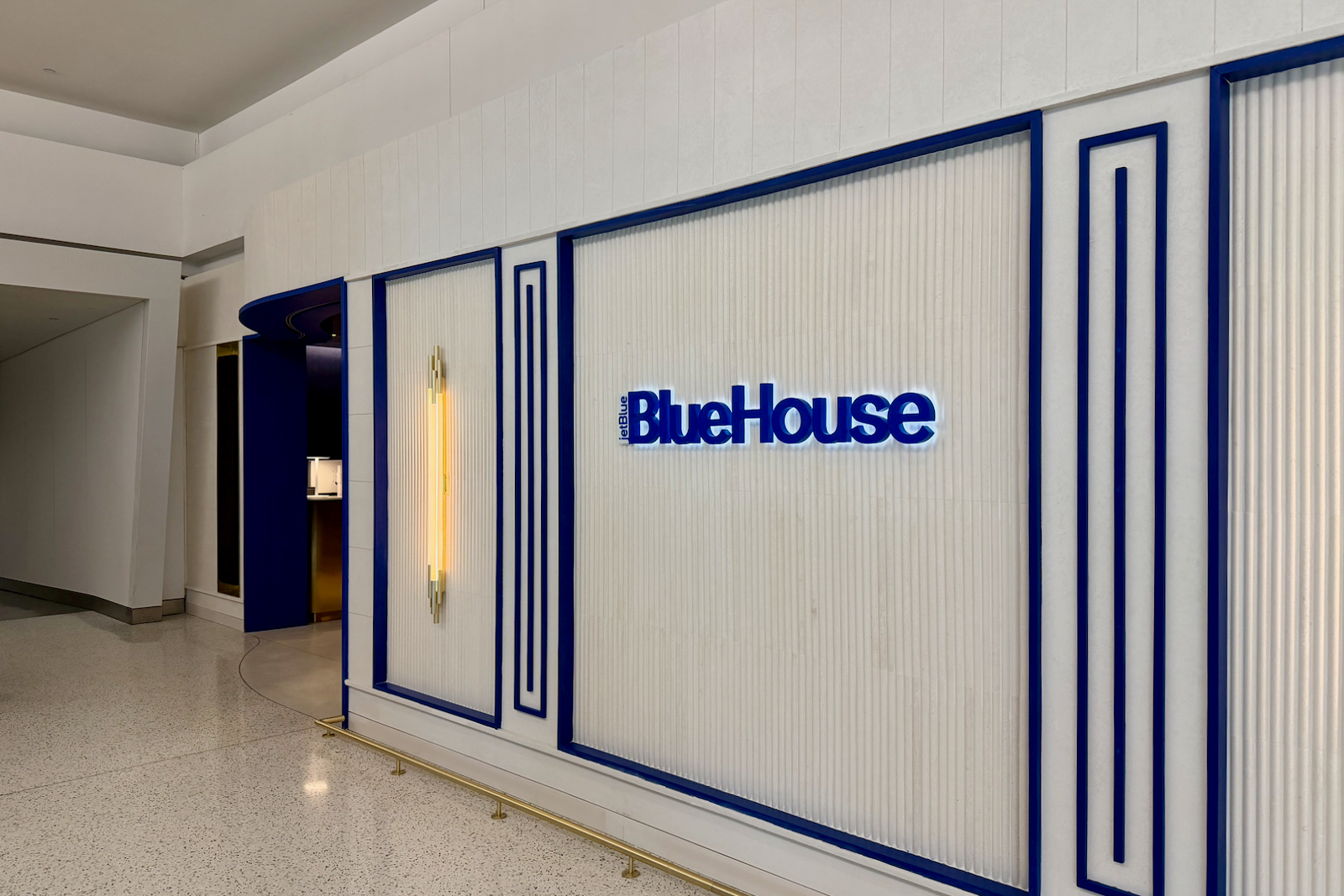
JetBlue just took the wraps off its first airport lounge, and it surprised me in more ways than one.
As you can tell from my review, I genuinely enjoyed my visit. The space is undeniably JetBlue, without feeling too pretentious or too cheap.
Another person who might be surprised by BlueHouse — the name for JetBlue’s budding lounge network — is David Neeleman, the airline’s founder.
When JetBlue launched, the idea of lie-flat business class, airport lounges, and a domestic first-class product ran counter to everything the carrier stood for. Yet here we are, 25 years later, and JetBlue has been flying lie-flat Mint for more than a decade.
Now it’s opening two new lounges and plans to debut a domestic first-class product next year — all part of the airline’s push to return to profitability.
But even though lounges weren’t part of JetBlue’s original playbook, the airline is putting its own twist on the concept.
Here’s how JetBlue is thinking about its new lounge strategy, as told by its president, Marty St. George.
Related: Inside JetBlue’s first-ever lounge, surprisingly swankier than I expected
Overcrowding is failure
If there’s one thing St. George wants BlueHouse to avoid, it’s overcrowding.
Many lounges today require a wait just to get in — and once inside, finding a seat or quiet space can be a challenge.
BlueHouse will never be that way, St. George said confidently. He lives in Boston and commutes (by air) each week to JetBlue’s New York headquarters.
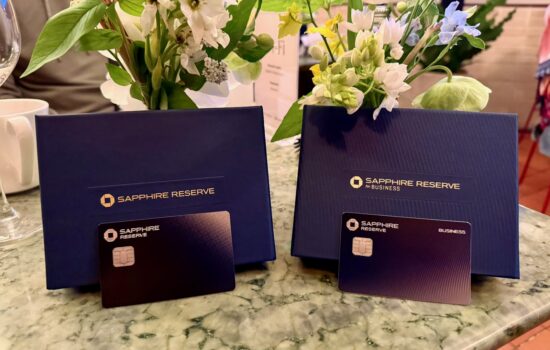
He regularly passes “an unnamed credit card lounge” in Boston (there’s only one: it’s the Chase Sapphire Lounge by The Club) and often sees a “line to just get on the waitlist to get inside.” And that’s before 6 a.m., he said.
That’s the exact opposite of what JetBlue wants for BlueHouse.
“The most important thing for us is not to make it overcrowded.” According to St. George, JetBlue flyers consistently say their lounge priority is simple: get inside every time, without waiting or feeling packed in.
Access will be purposely restricted
Every decision about lounge access will revolve around its impact on crowding.
Asked why JetBlue’s rules are more restrictive than its competitors, St. George said, “access is based on space. We’d love for this to be bigger [and admit more people],” but entry will depend entirely on keeping the lounge comfortable.
“We never want a [top-tier] Mosaic 4 member to wait outside,” he added.
That’s why JetBlue won’t sell day passes or memberships until early next year, once it has real crowding data. Even then, day passes won’t be available during busy periods.
To further control crowding, the airline also won’t offer reciprocal lounge access to United flyers under the Blue Sky partnership, Ed Pouthier, JetBlue’s loyalty chief, confirmed.

Subscribe to the newsletter
Get the front-row look at the evolving world of travel, loyalty, tech and lifestyle — delivered directly to your inbox.
“We are not going to do the legacy airline bait-and-switch where they promise you this experience that you may or may not get,” St. George added.
More lounges are coming
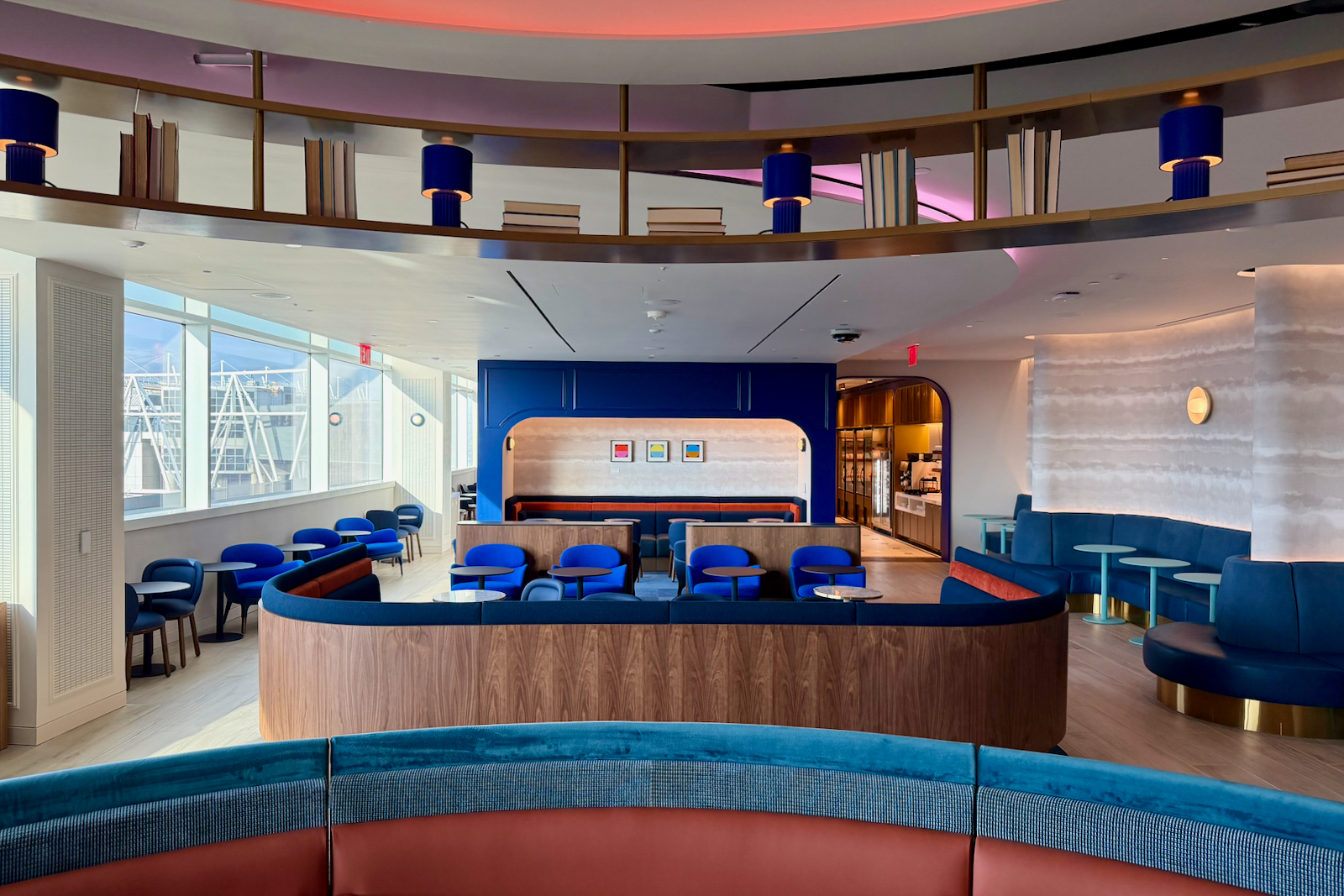
The BlueHouse in JFK may be JetBlue’s first lounge, but it won’t be its last.
The carrier will open an even larger space (around 11,000 square feet) in Boston’s Terminal C next year.
JetBlue is “also evaluating Fort Lauderdale. We’re working with airport authorities to try and get space.”
St. George said the airline has a list of two or three other cities that could be a good fit for BlueHouse, but that’s it for now.
The biggest factor for expansion is a strong Mosaic customer base. Fort Lauderdale doesn’t have transatlantic flying and isn’t expected to, but it’s one of JetBlue’s largest stations with a very sizable Mosaic population, St. George explained.
A pathway to profitability
JetBlue hasn’t been profitable since the start of the pandemic, and getting back into the green is driving nearly every decision the airline is making.
Part of the strategy involves doubling down on high-demand leisure markets in New York, Boston, Fort Lauderdale, and San Juan.
Another component is premium, the industry’s biggest buzzword right now. JetBlue believes lounges and its forthcoming domestic first-class cabin will help satisfy premium demand.
But St. George emphasized that the eight-figure BlueHouse investment isn’t just a response to a trend; it’s based on what JetBlue’s most loyal customers asked for: lounges.
It was made because JetBlue consistently heard from its most loyal flyers that they want lounges.
The move likely also supports JetBlue’s push to grow its $499-annual-fee premium credit card portfolio, a key profitability lever.
It’ll be interesting to see how JetBlue balances its promise to keep BlueHouse a comfortable respite with the push to sign up more premium credit card holders.
Kitchen is coming
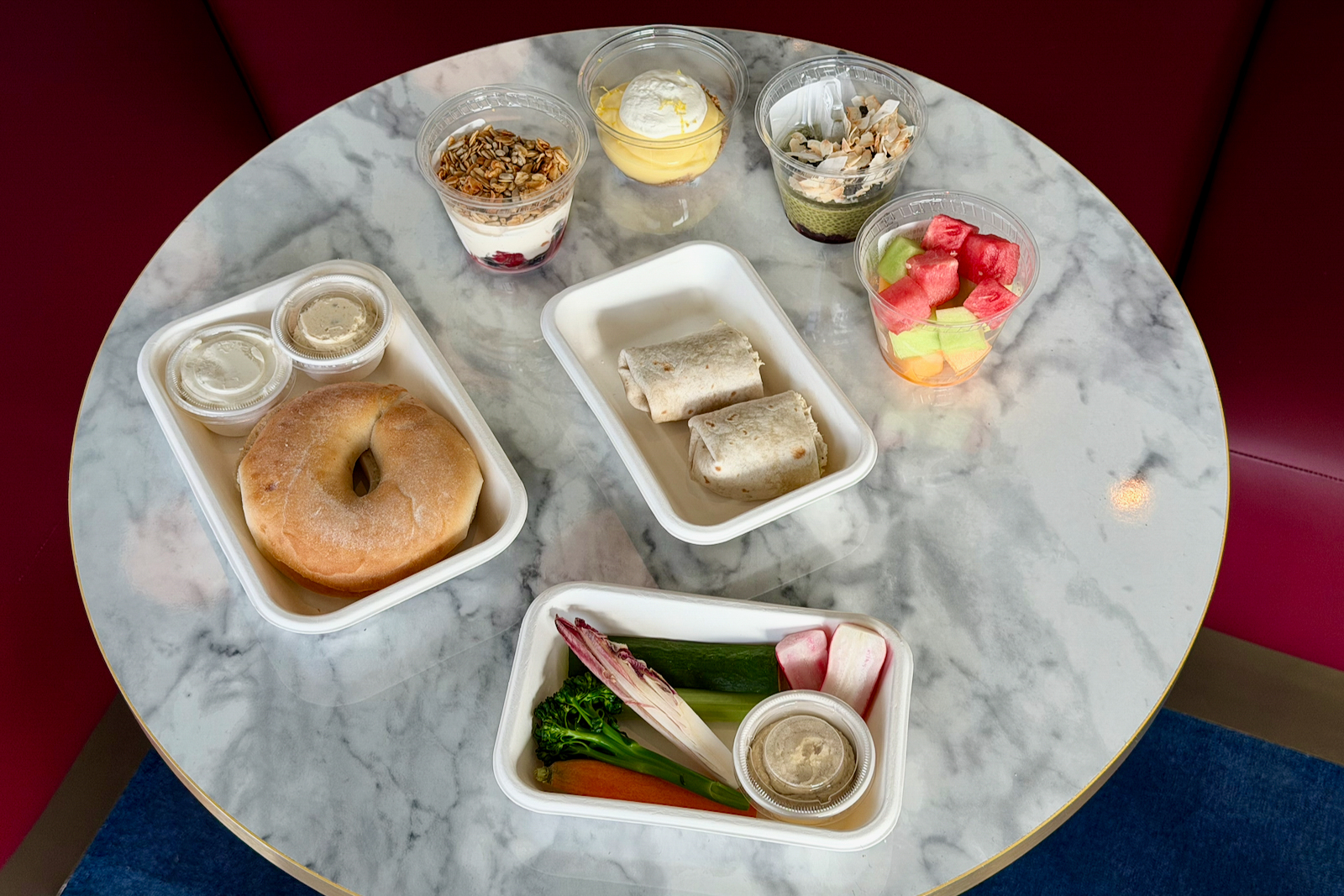
When BlueHouse opens on Dec. 18, don’t expect restaurant-style dining.
Everything is served in grab-and-go packaging, which is a bit surprising for the airline that keeps winning awards for its premium-cabin onboard dining experience.
But this won’t be the final configuration.
St. George shared that a “phase two” is already in the works: a full kitchen capable of serving freshly prepared hot food.
That investment won’t be cheap, so JetBlue will likely monitor guest feedback before greenlighting the capital investment.
Subscribe to the newsletter
Get the front-row look at the evolving world of travel, loyalty, tech and lifestyle — delivered directly to your inbox.

Comments Disclosure
Responses are not provided by or commissioned by any bank advertisers. Responses have not been reviewed , approved, or endorsed by any bank advertisers. It is not the responsibility of the bank advertiser to respond to comments.