




In this post Show
Editorial Disclosure
United Airlines just introduced the Polaris Studio — its fanciest cabin experience yet. But does it live up to the hype?
That’s the question I had on my mind when I boarded Flight 901 from San Francisco to London.
The airline, which has been on a massive premium push since the pandemic, recently unveiled its new flagship long-haul jet: the Elevated Boeing 787 Dreamliner.
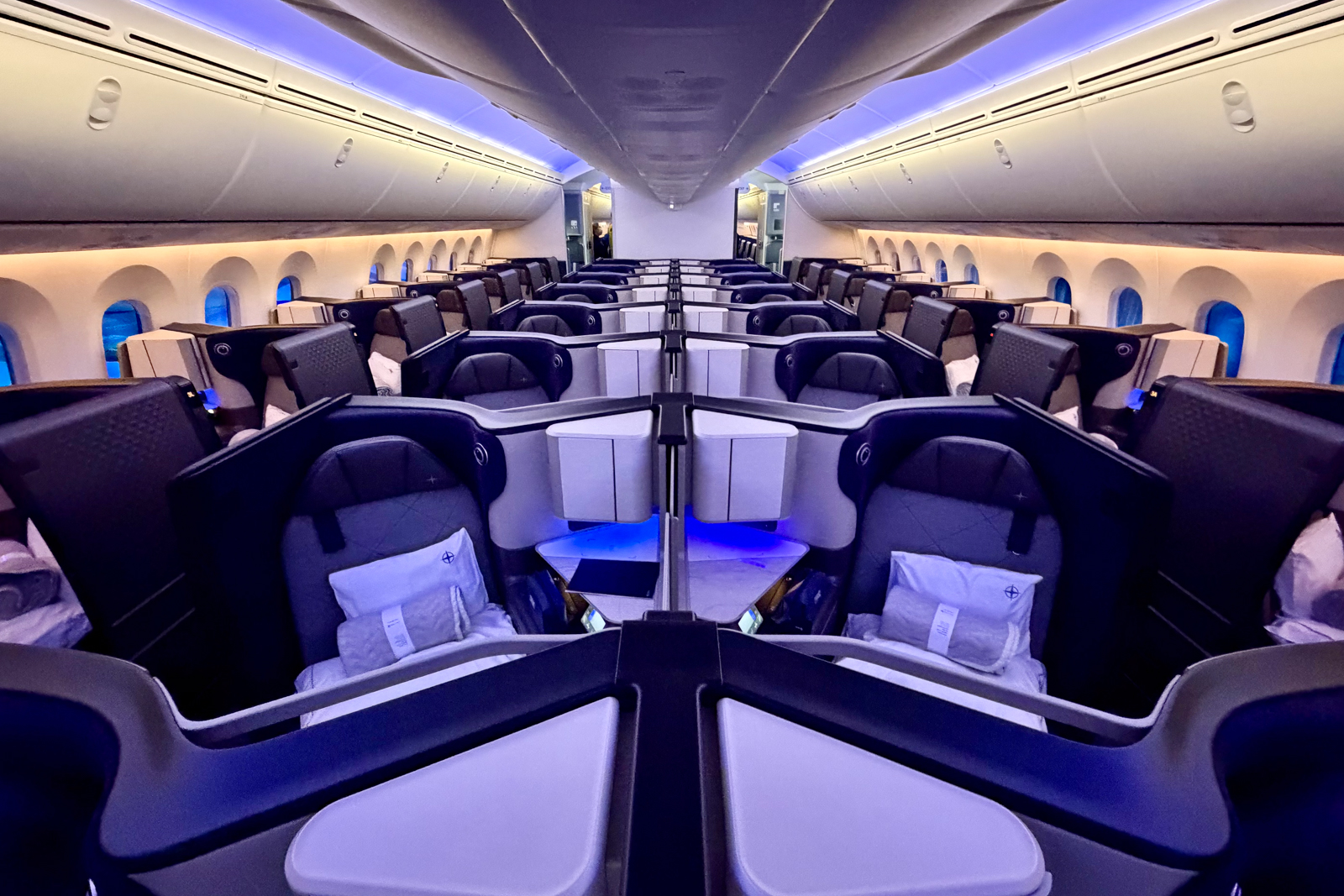
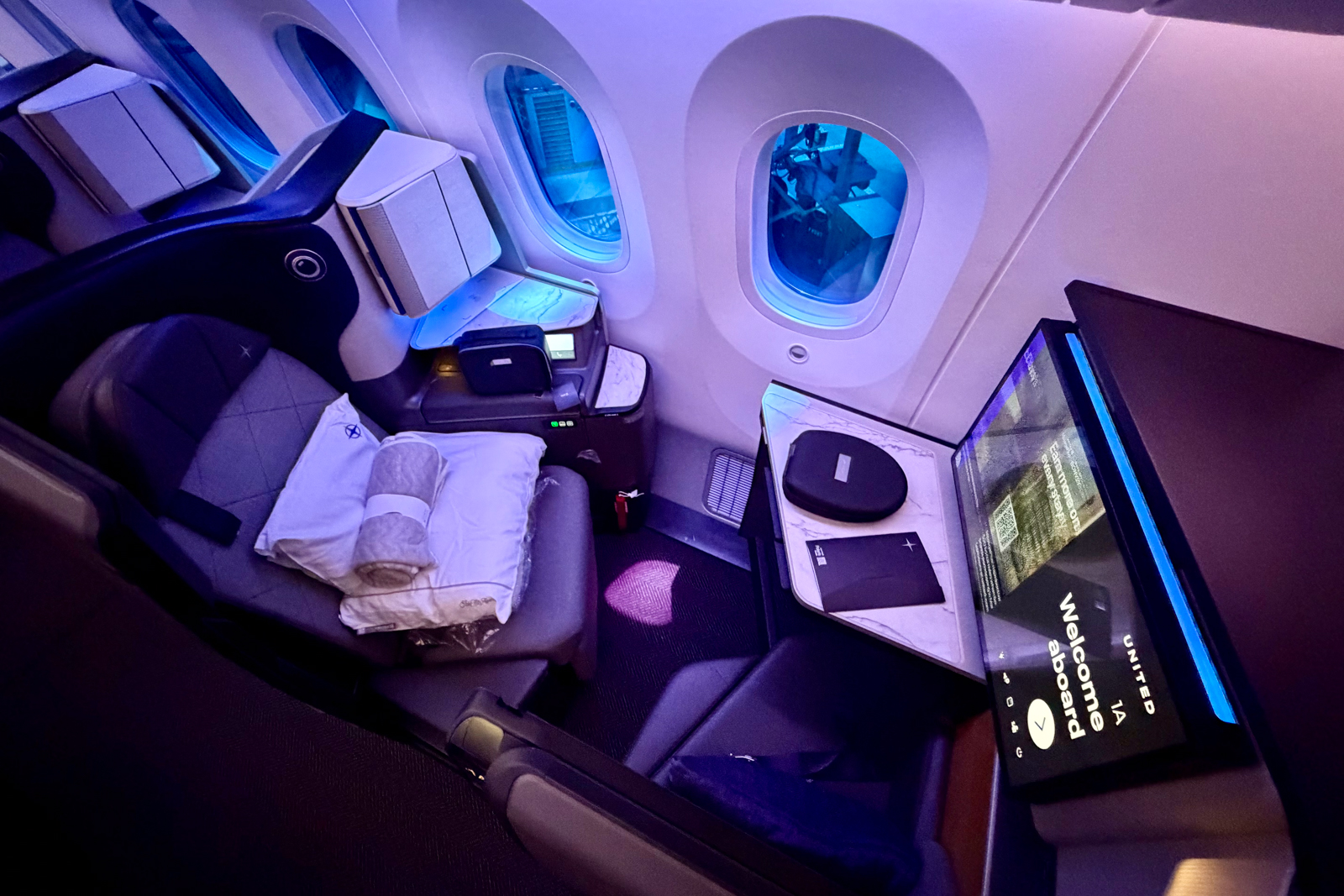
The aircraft features a whopping 99 premium seats — 35 Premium Plus recliners, 56 all-new Polaris suites, and eight of the so-called Polaris Studio.
While every aspect of the jet got a refresh, no element is more interesting than the new Polaris Studio.
Here’s my verdict after 10 hours on the way to London.
United Polaris Studio: It doesn’t come cheap
Booking a Polaris Studio isn’t straightforward.
You first need to purchase a Polaris fare, then upgrade your seat to the Studio.
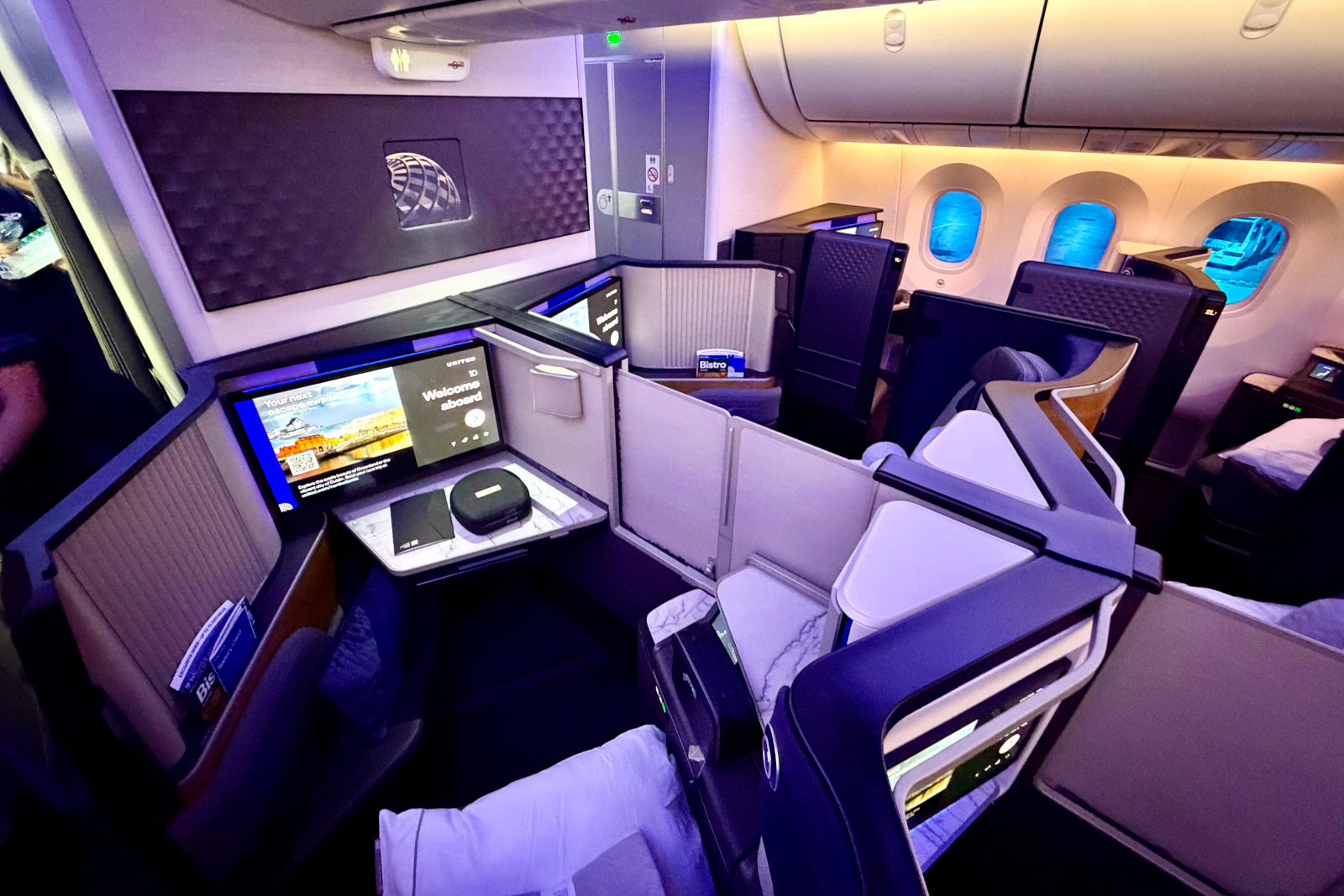
You can pay for Polaris in cash, miles, or even a PlusPoints upgrade — but there’s no getting around the Studio seat assignment fee.
When United introduced the Polaris Studio a few weeks ago, it charged $499 for the upgrade. On my flight, the airline wanted $699 or 69,900 miles.
(Pricing for this seat is now dynamic. Lovely.)
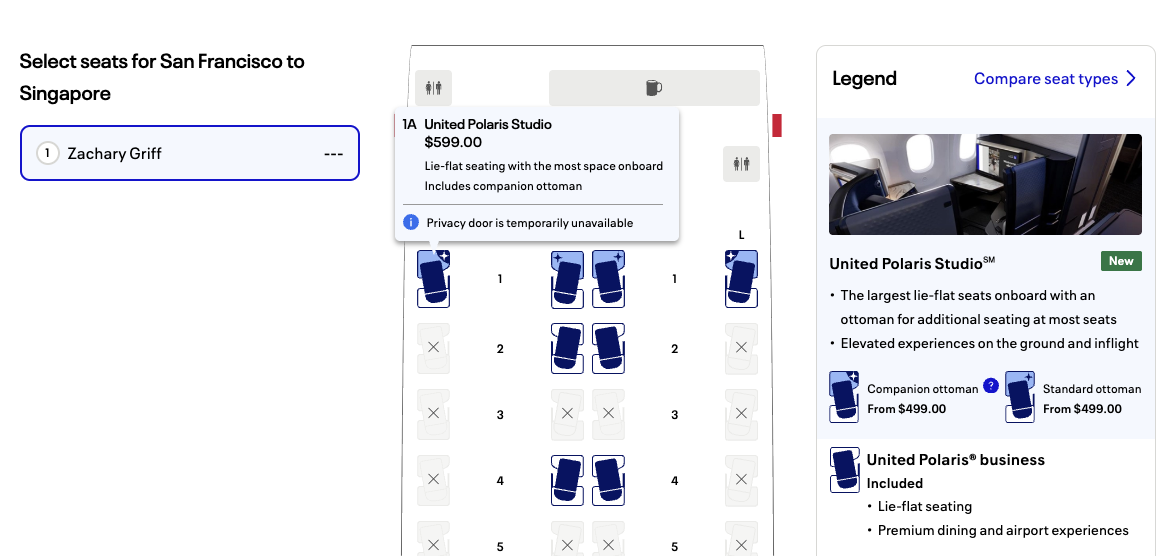
That’s pretty steep, and if it weren’t my first time trying it, I wouldn’t have splurged.
But would it be worth it? Read on.
United Polaris Studio: A massive seat
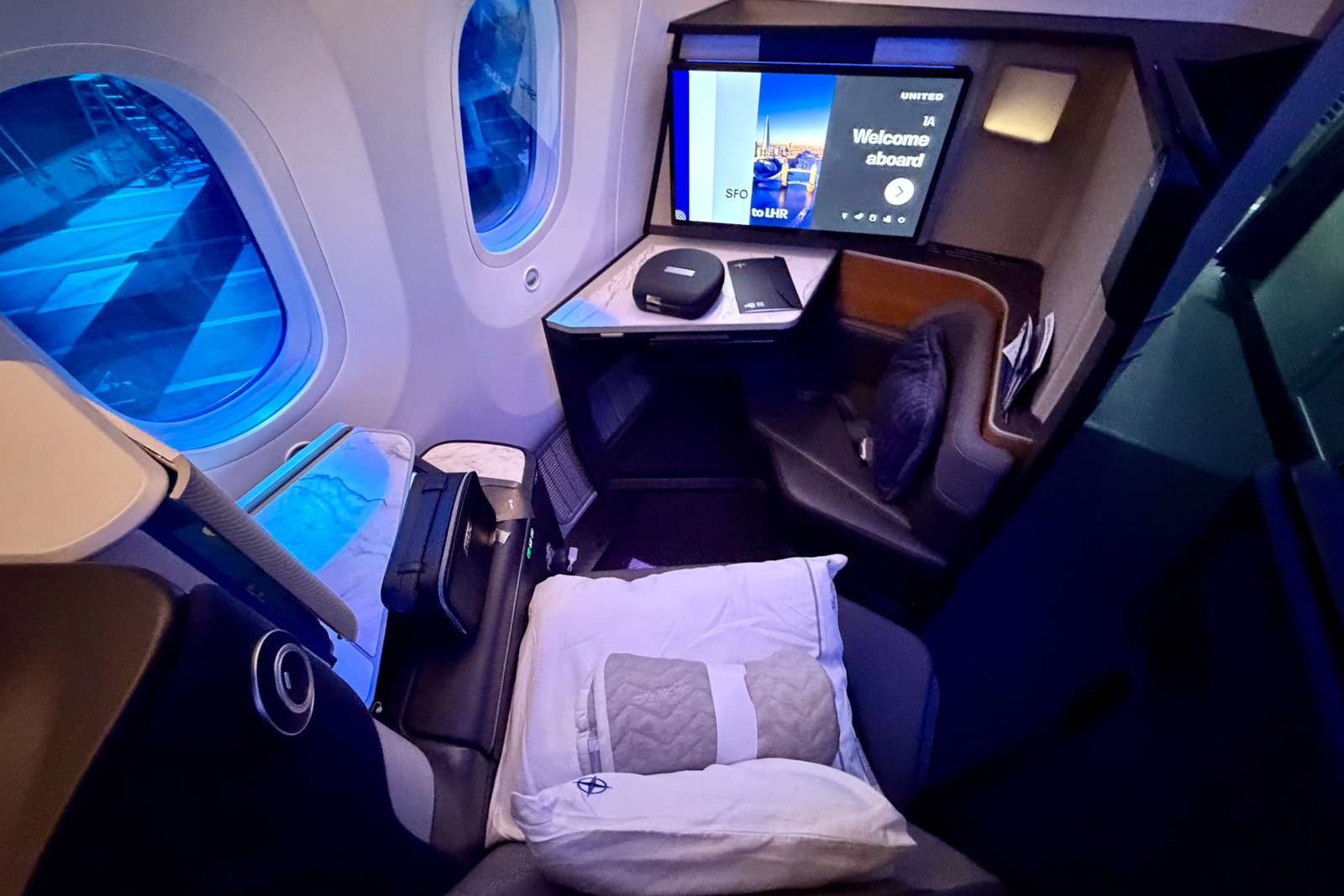
This wasn’t the first time I’d seen a Polaris Studio in the flesh, but from the moment I stepped onboard, I had a feeling I’d enjoy it.
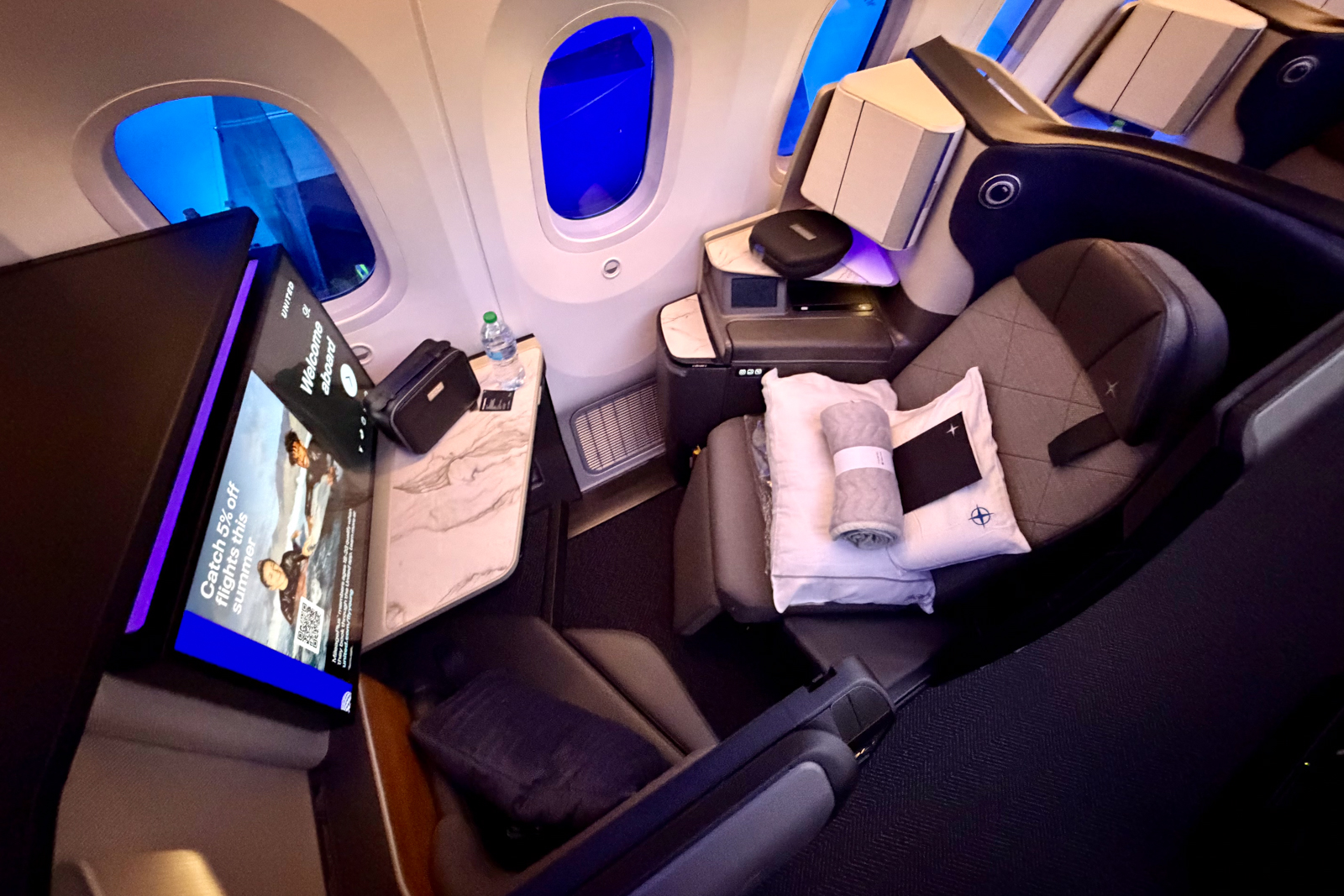
There are eight Studios on the Elevated Boeing 787-9 Dreamliner, located in the bulkhead rows 1 and 9 at the front of the two Polaris cabins.
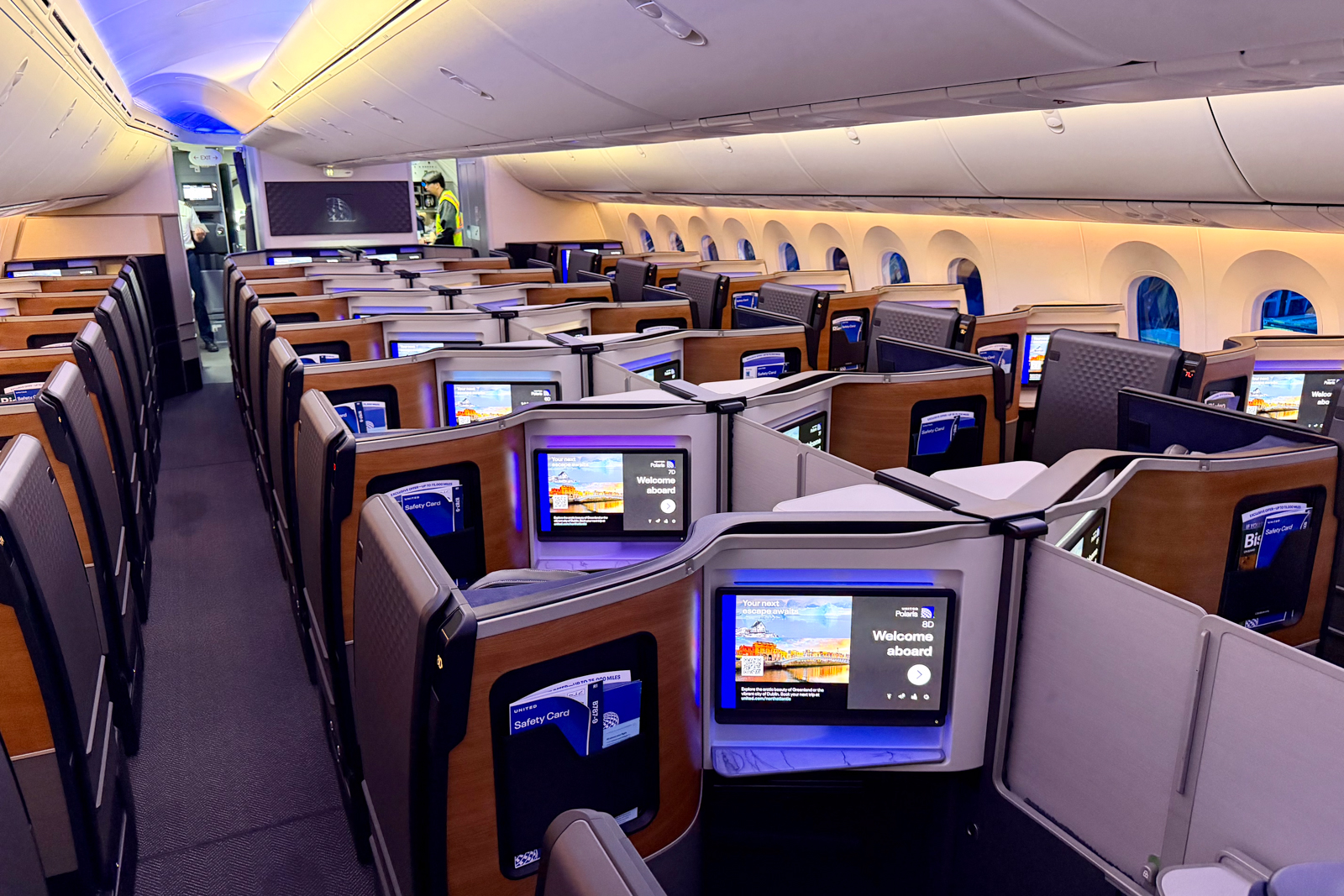
Polaris is arranged in a 1-2-1 configuration, so solo travelers should choose window seats, while couples will prefer the center seats.
(There’s also a surprise in one of the center seats, but more on that later.)
The Studios in row 9 are a bit more spacious than the ones in row 1, thanks to the curvature of the plane. The downside is more aisle traffic during boarding — but it’s a tradeoff I think is well worth it.
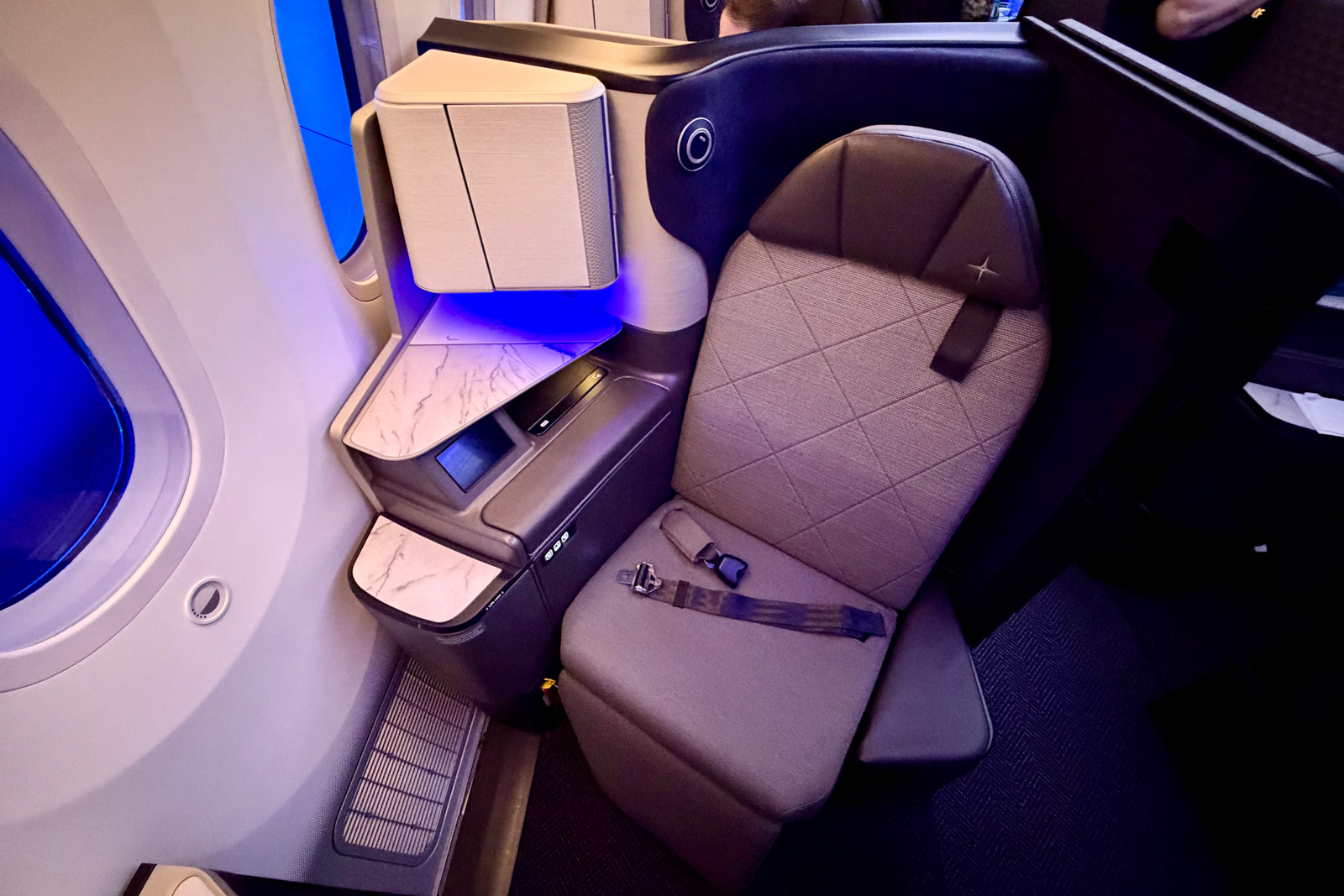
Note that the first-row center seats (1D and 1F) don’t feature buddy seats, nor can they be converted into a double bed since they’re in a reverse herringbone layout.
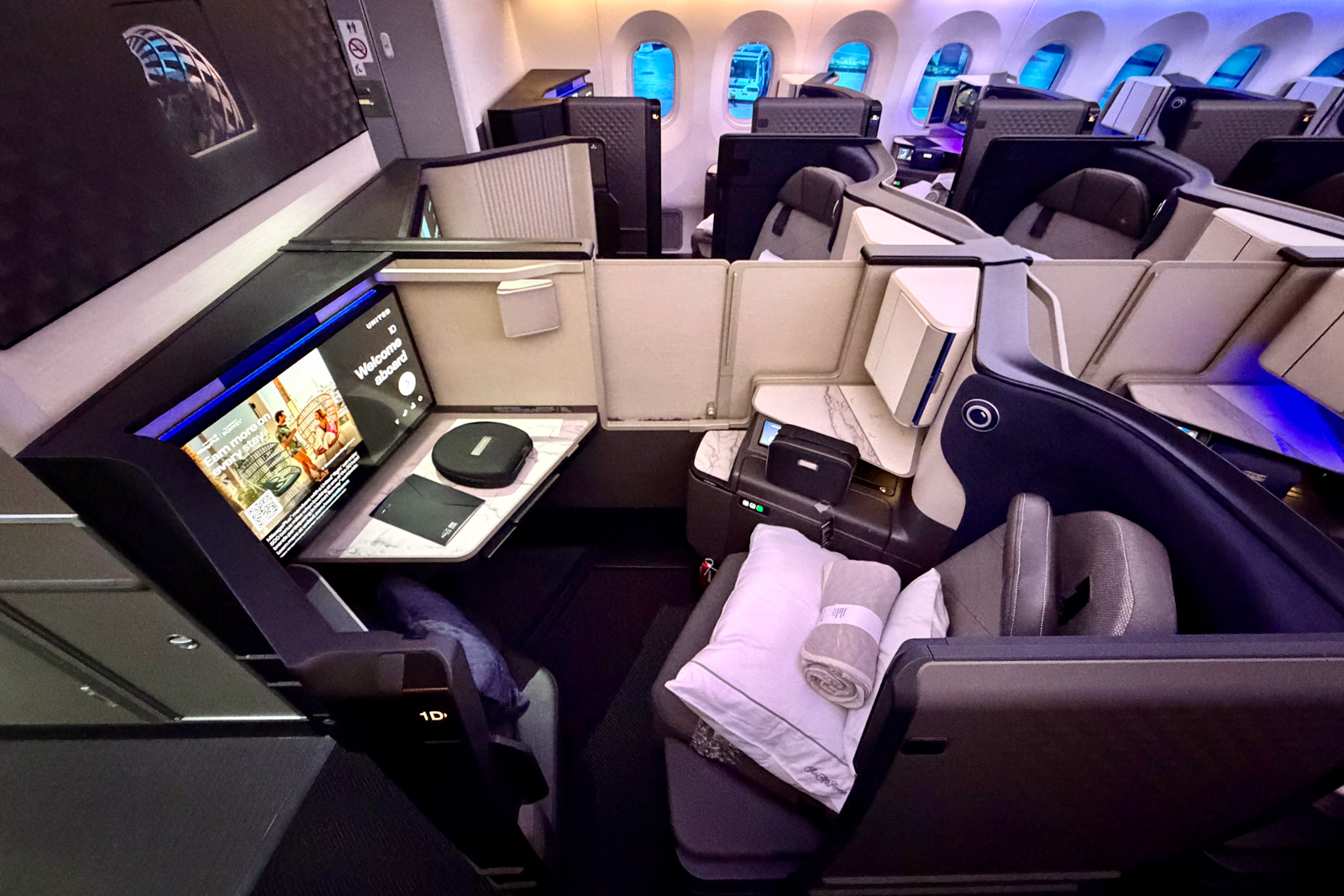
As for the seats themselves, United says they’re 25% larger than the standard Polaris pods.
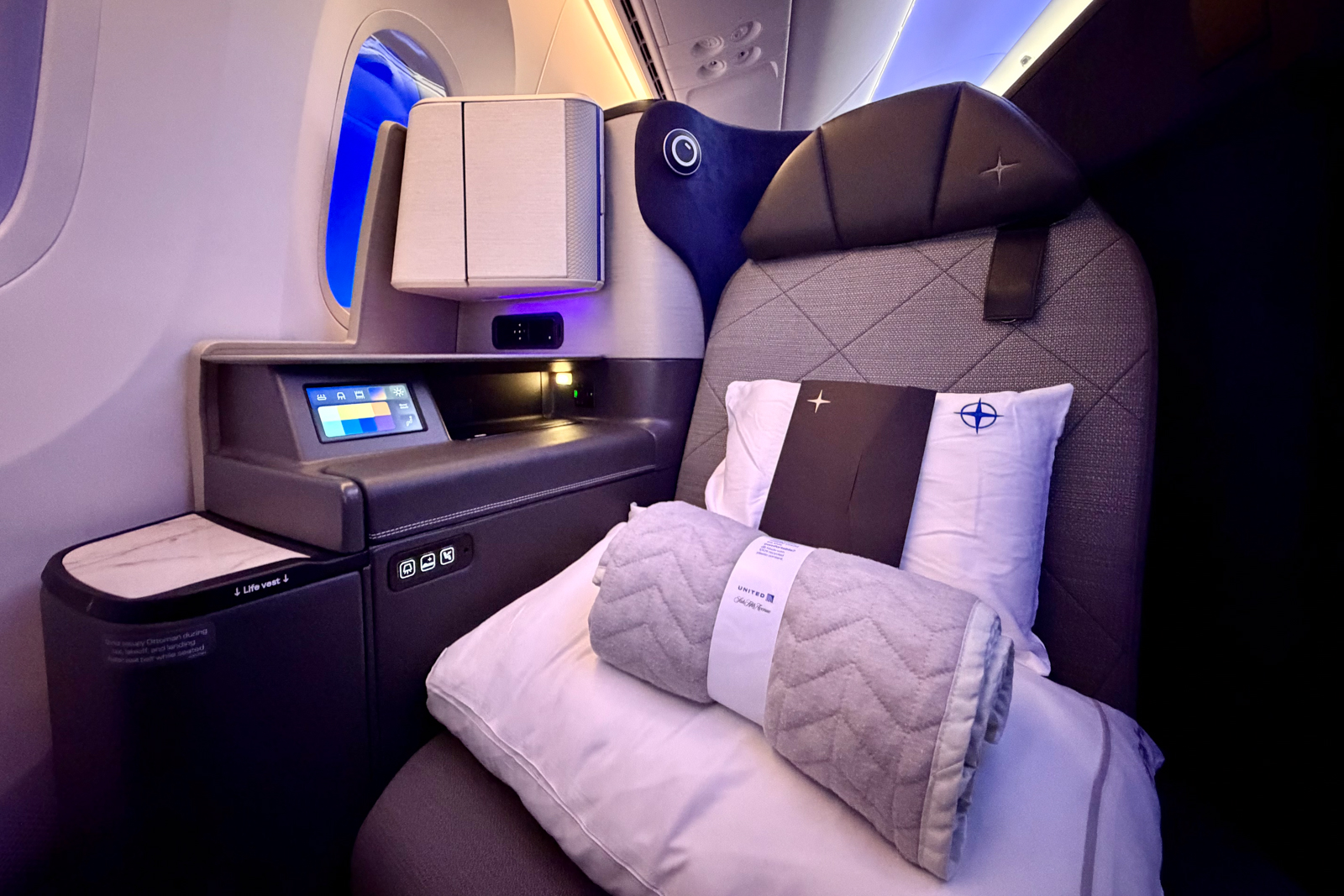
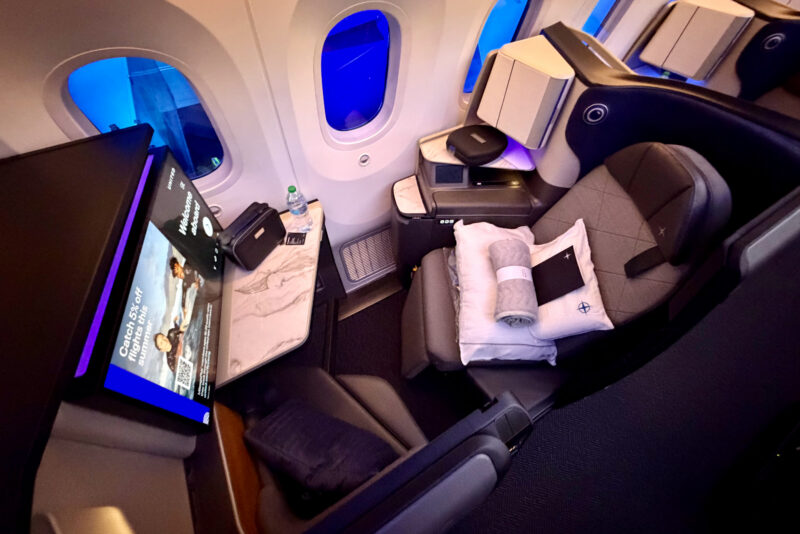
That sounds about right. The Studio feels spacious and airy, especially with modern touches like faux-wood paneling and sharp trim.
The seat is a customized version of the popular Elevate Ascent, which you’ll also find on American, Alaska, Qatar, and many others. Having flown all the aforementioned products, I still consider United’s finishes among my favorites.
The tray table is massive — 23.5 inches wide and 15.5 inches long — so big that it makes my 13-inch MacBook Air look even smaller.
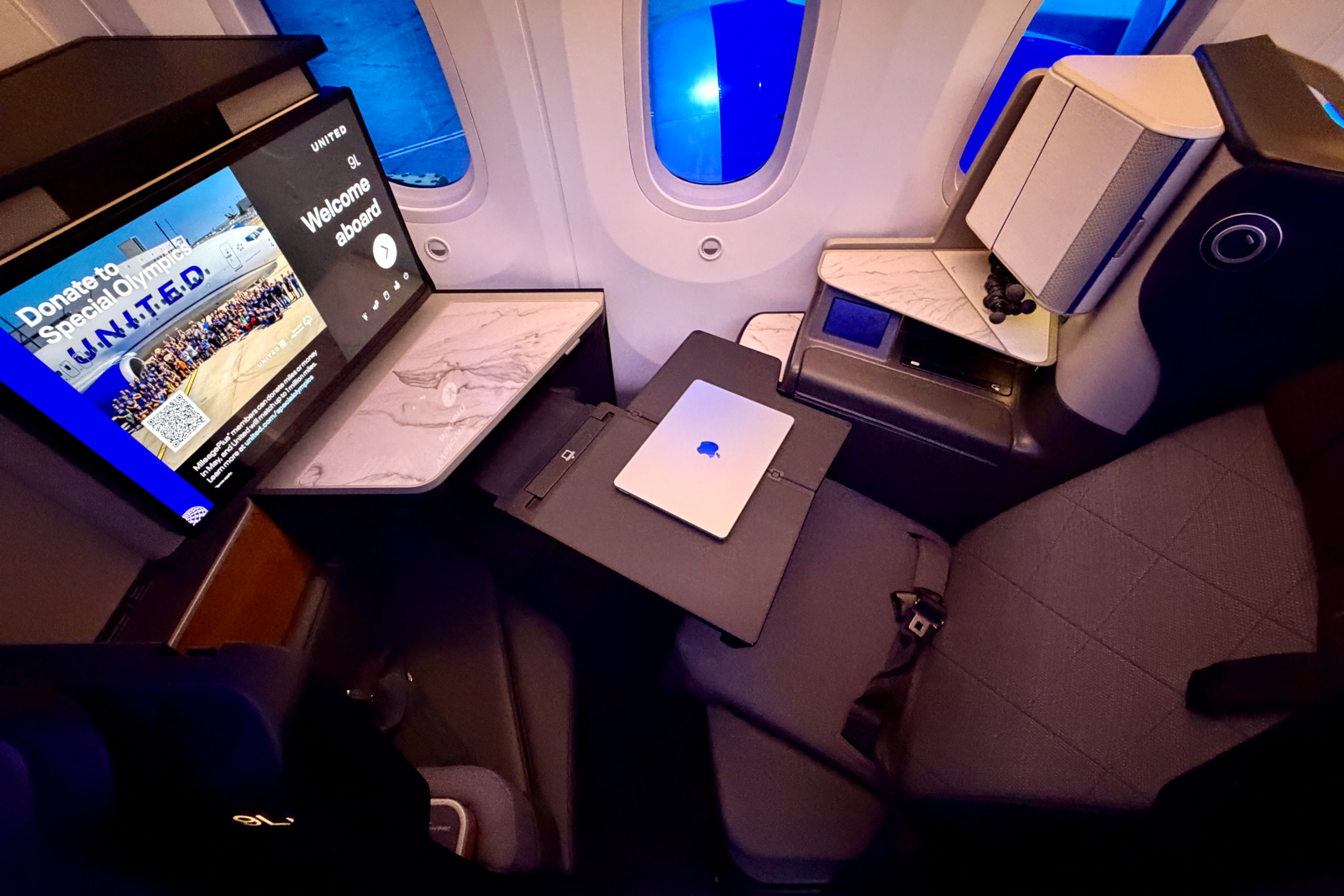
(United’s linen department needs updated measurements, because the tablecloth they placed during the meal service was way oversized for this table.)
I also love the faux marble side tables, which provide additional storage space.
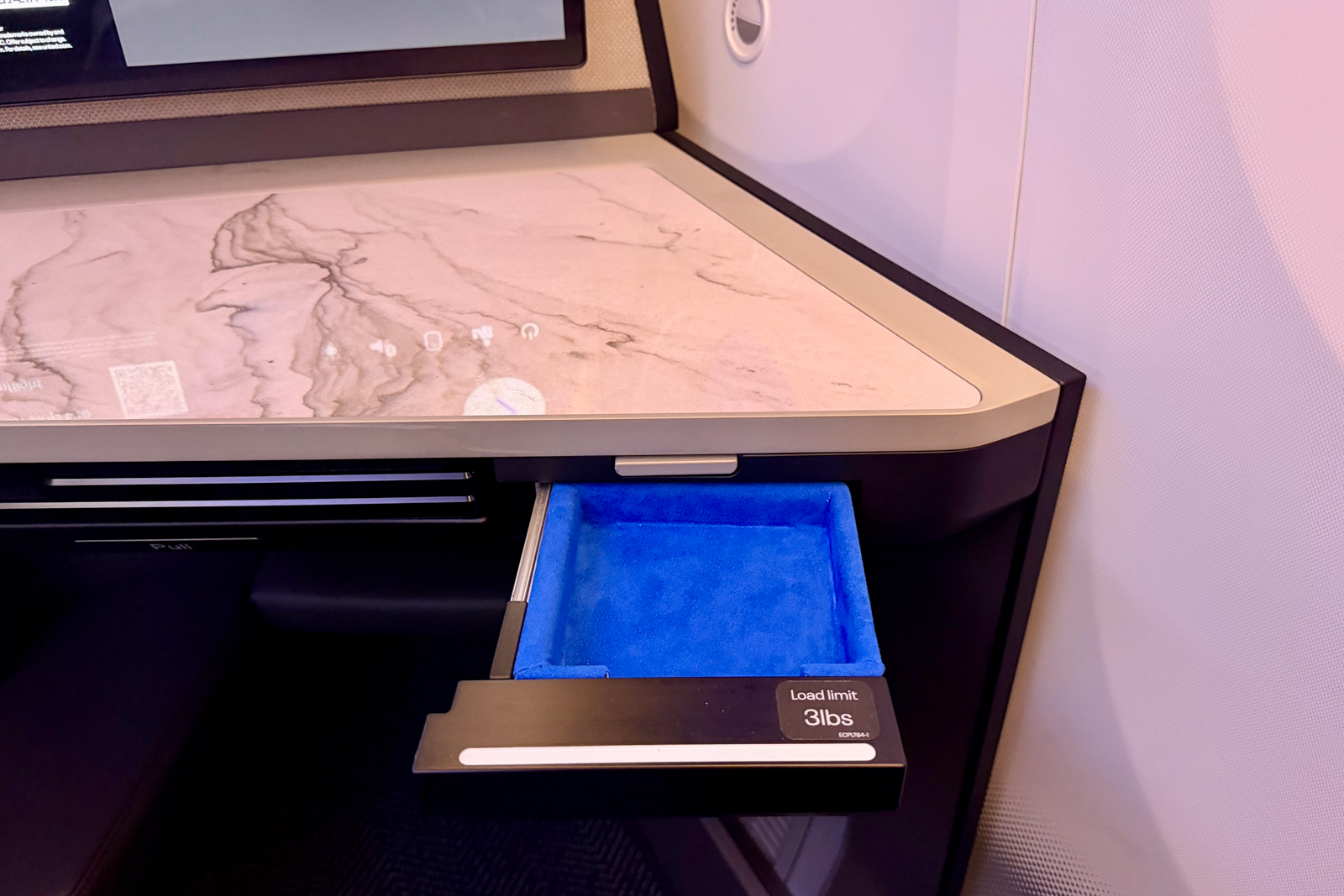
Speaking of storage, there’s lots of it. A small tray next to the tray table is great for keys or AirPods.
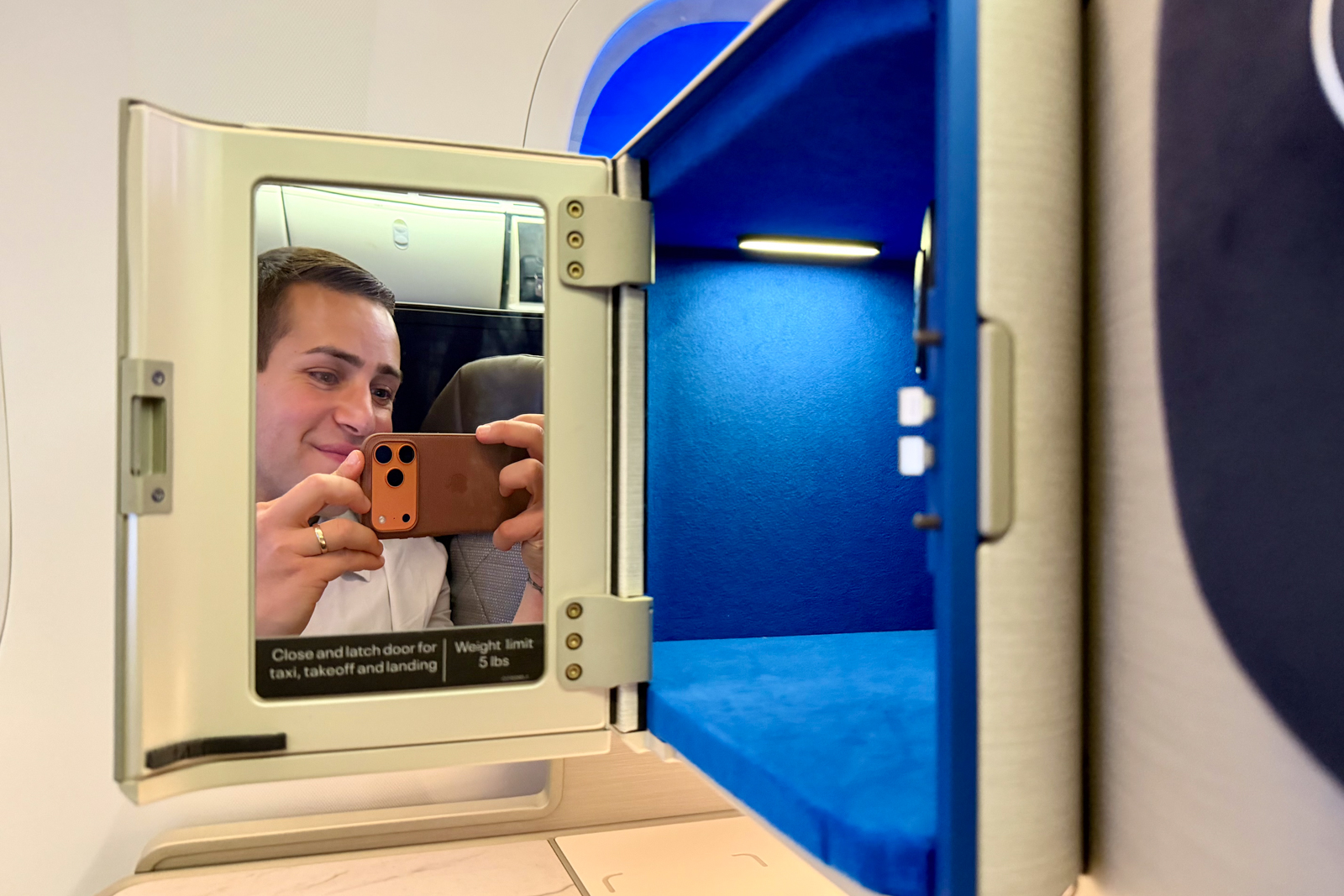
The signature Polaris closet isn’t as big as the one on Polaris 1.0, but I like the velvet blue lining — and the mirror still makes for great selfies.
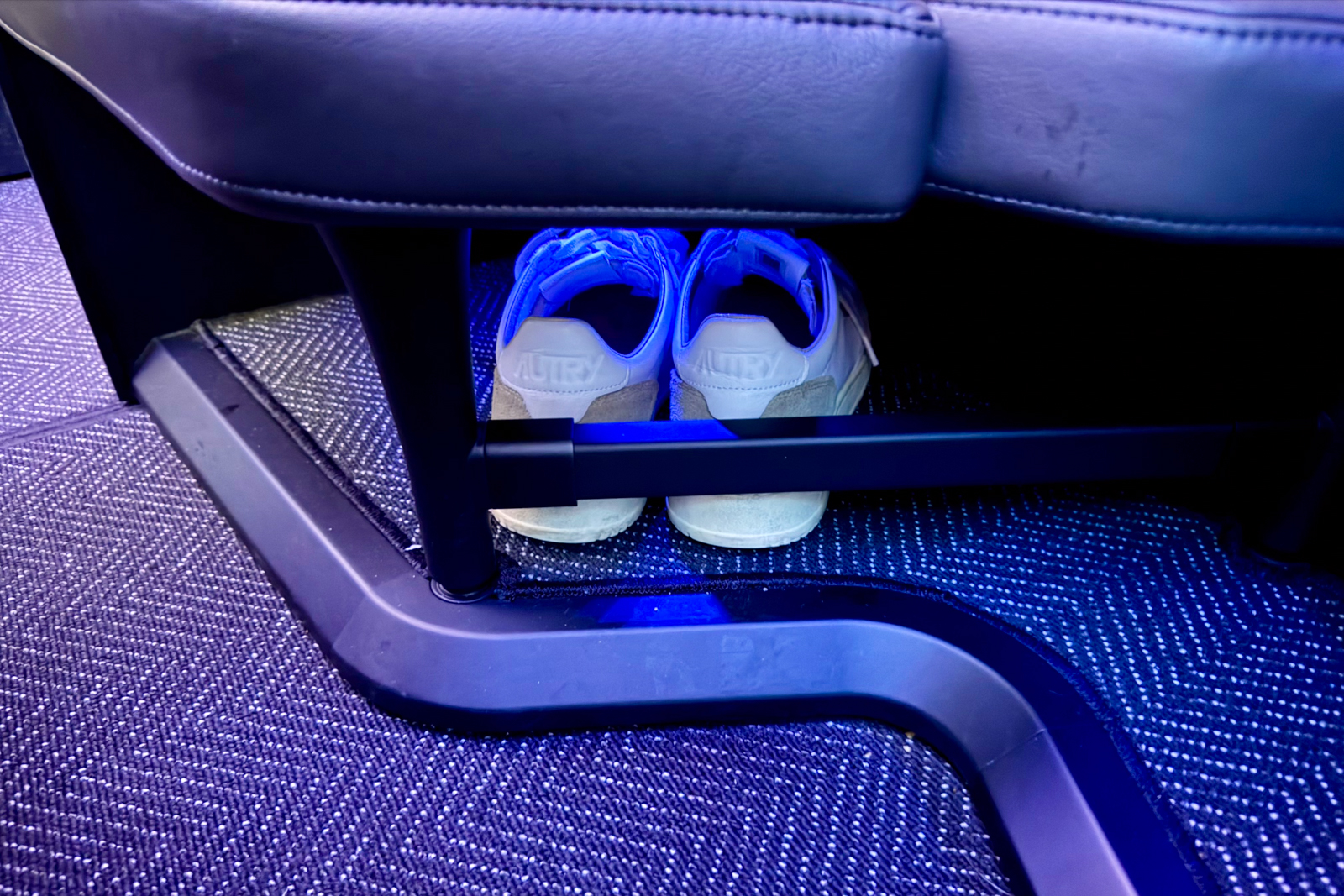
The Studio also has a shoe storage area beneath the ottoman. That’s where I kept my shoes and slippers throughout the flight.
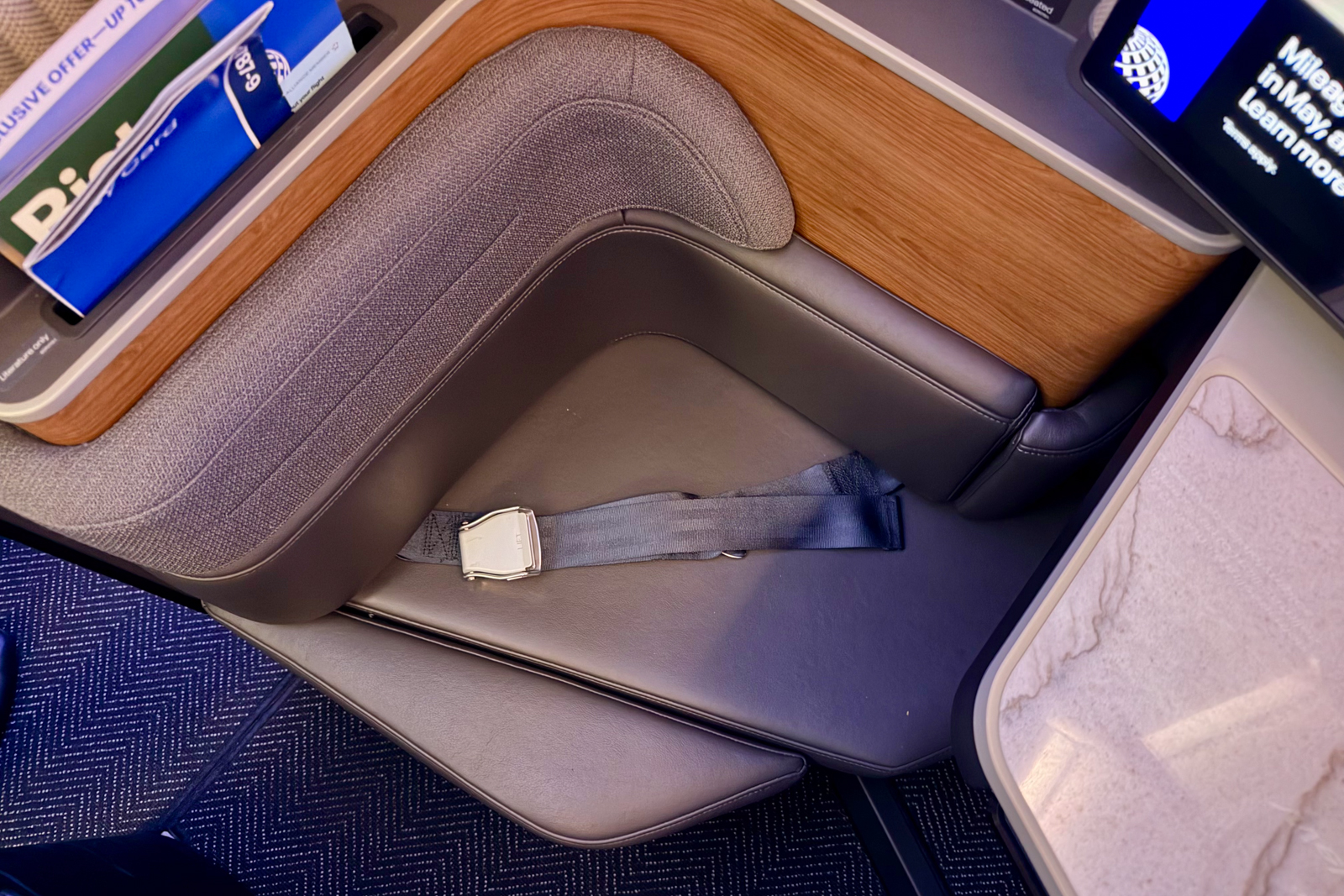
The ottoman doubles as a buddy seat, which can be occupied during the flight by any other passenger ticketed in Polaris. I was traveling solo, but tried out the buddy seat and found it comfortable enough for a short stay.
Each Studio also features sliding doors (a first for United), though they’re currently locked in the open position while United awaits final FAA certification.
If there’s one downside to the hard product, it’s the proximity to the galley.
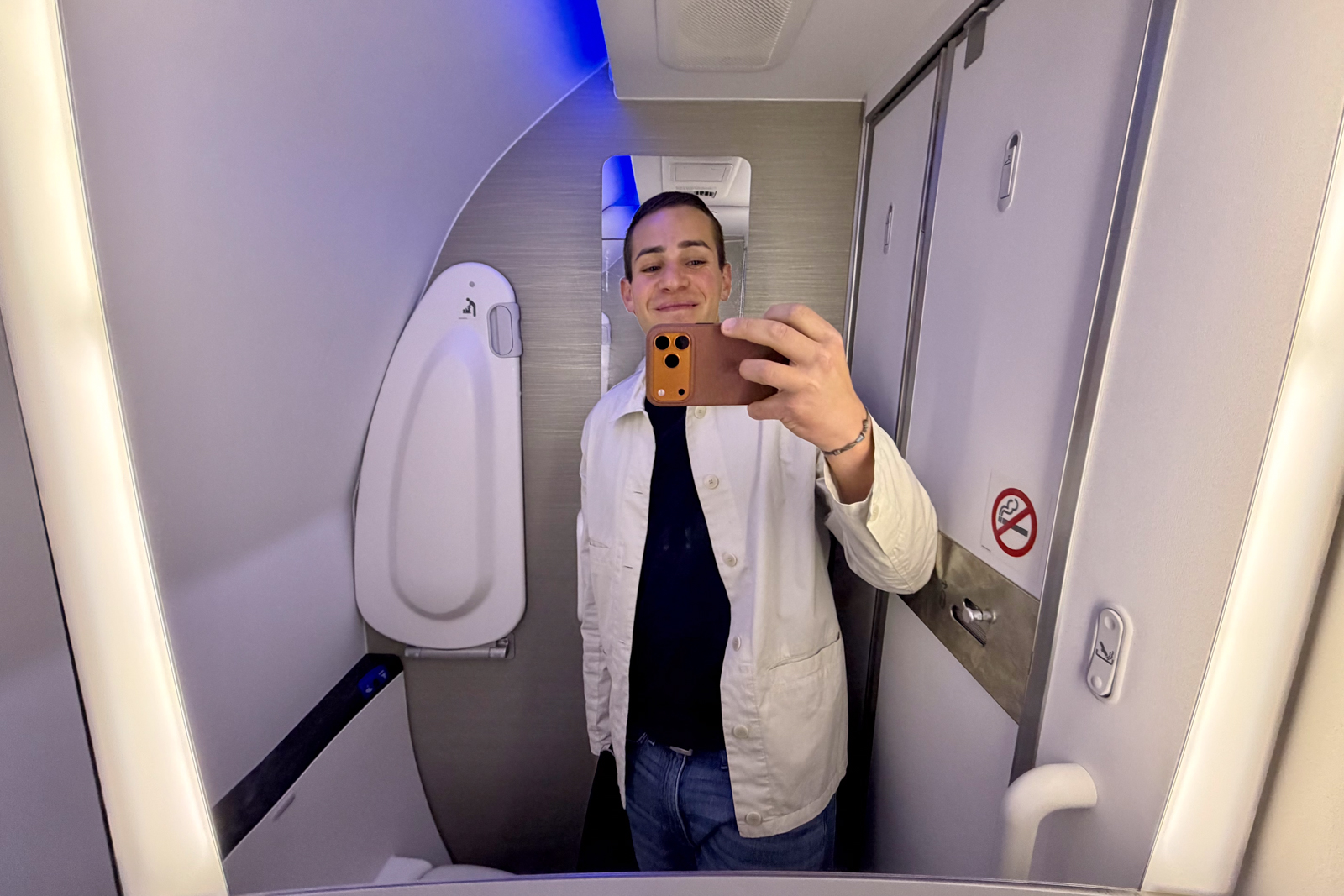
My flight attendants weren’t too chatty, but on longer flights, the ambient noise could be bothersome. (Studio passengers also share the same four lavatories with the rest of the Polaris cabin.)
One other thing to monitor: wear and tear.
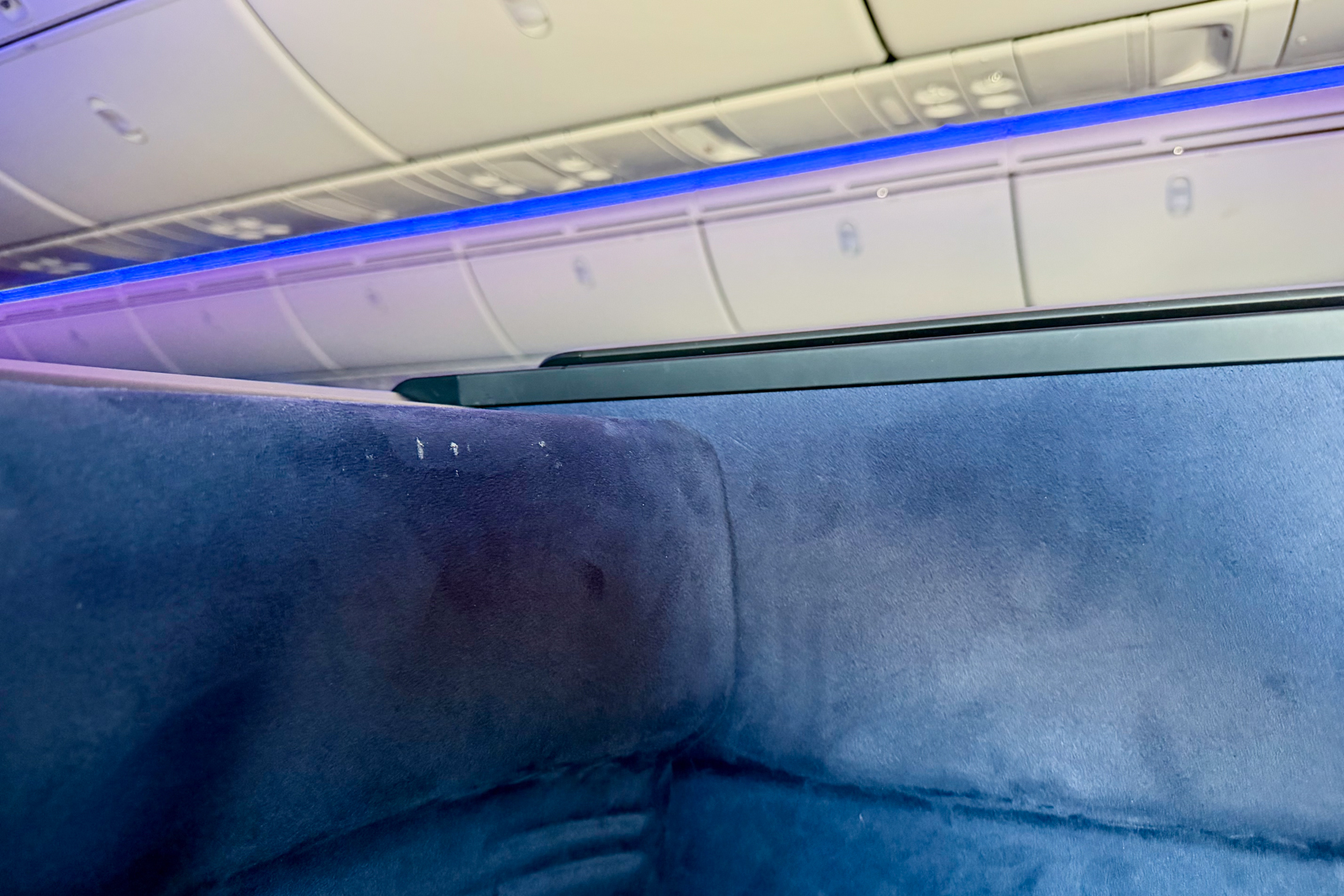
Even though the jet I flew was just four months old, I already noticed some damage to the lining around high-touch areas. JetBlue experienced this with Mint Studios, and I’m curious to see how United handles it.
United Polaris Studio: Impressive tech
With so many airlines installing similar seats, tech is one of the biggest points of differentiation. And this is where the new product shines.
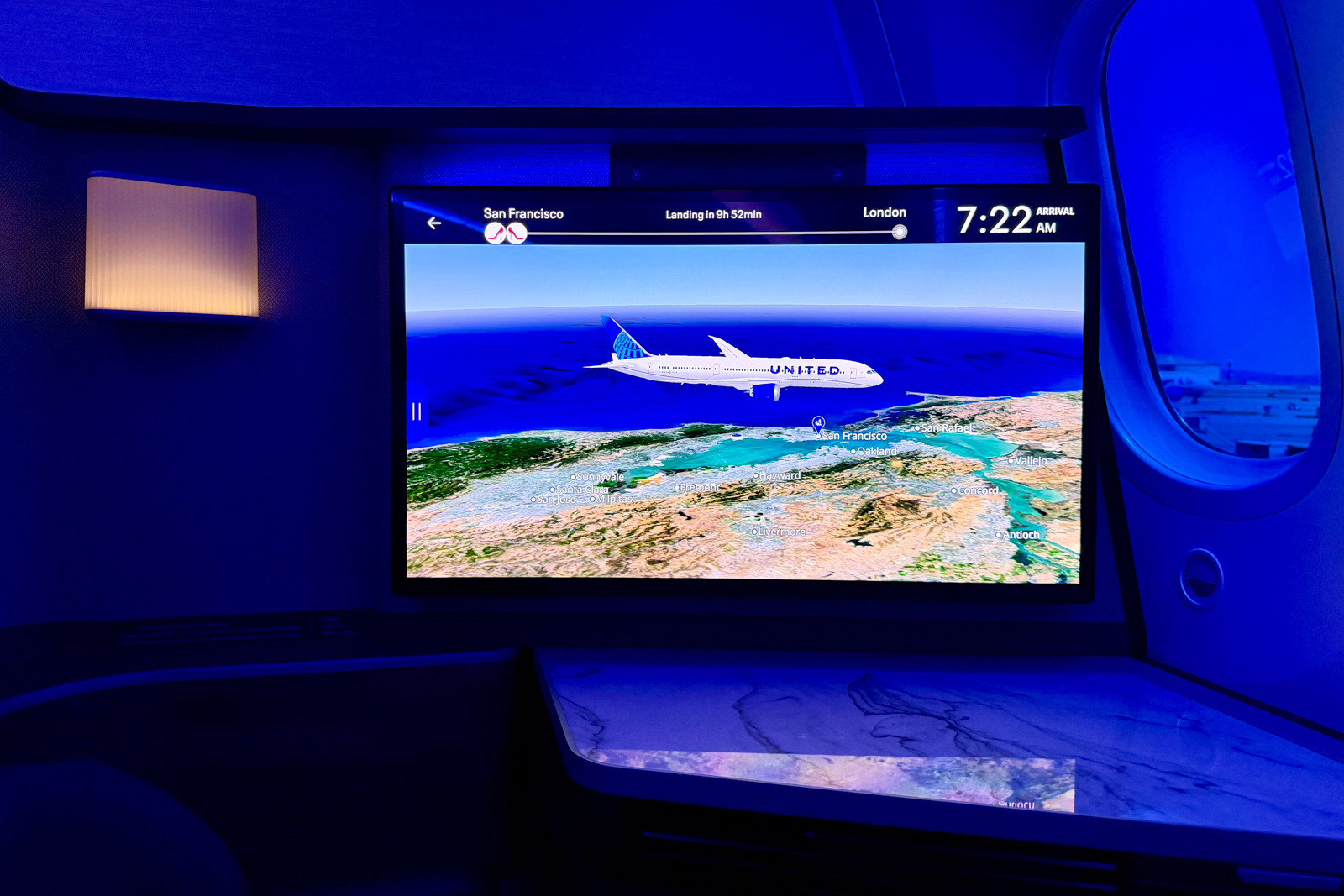
The 27-inch 4K OLED TV feels futuristic. It’s the largest on a U.S. airline, and it shows. Rumor has it that United paid six figures for each of these. (Compare that to the relatively tiny TVs that American has on its similar product.)

Subscribe to the newsletter
Get the front-row look at the evolving world of travel, loyalty, tech and lifestyle — delivered directly to your inbox.
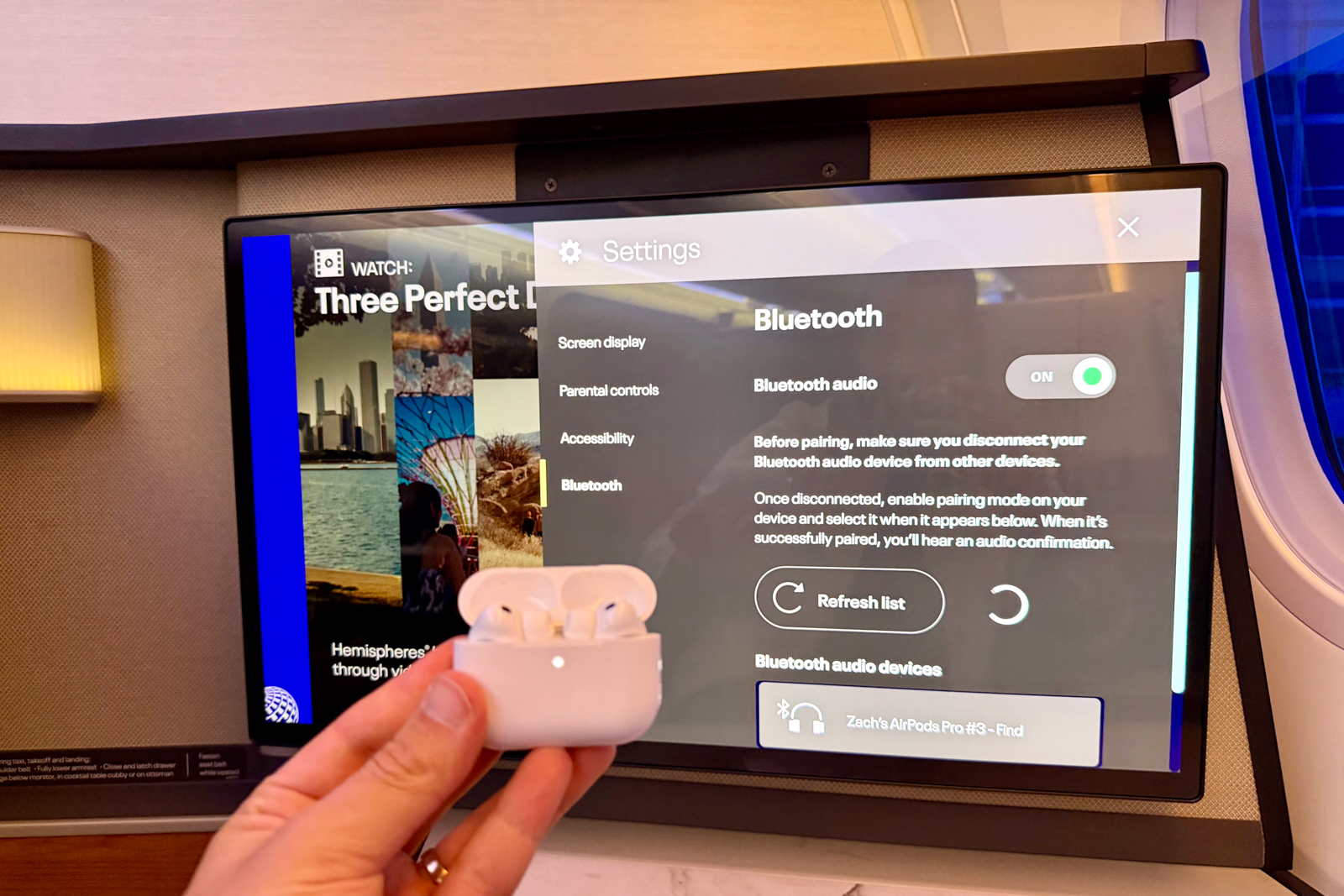
The TVs run United’s latest inflight entertainment software, which includes a personalization feature that displays connecting flight info and more. Every seat has Bluetooth connectivity for wireless headphone pairing.
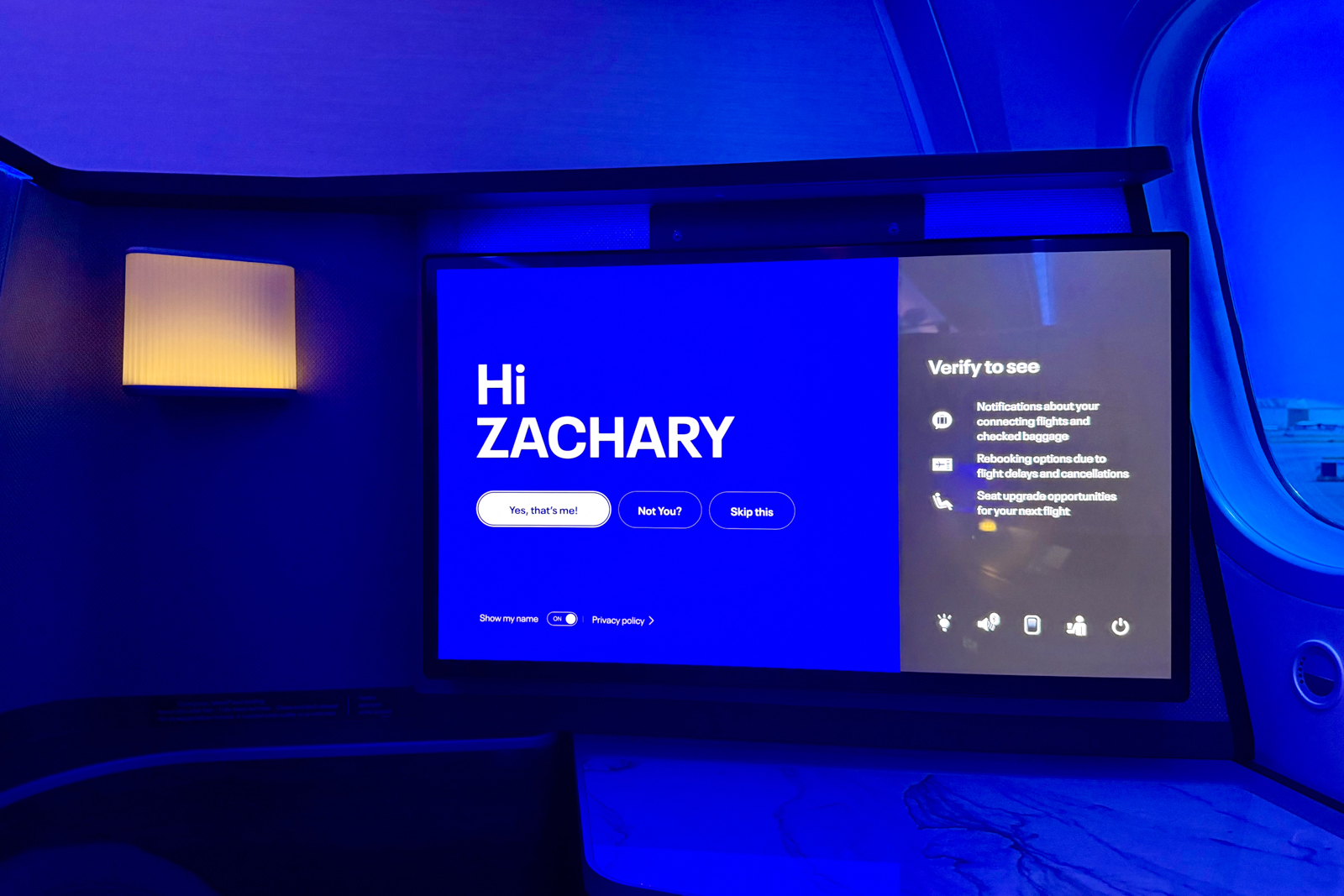
If you didn’t bring your own pair, there’s a fancy noise-canceling Meridian set waiting at each Studio.
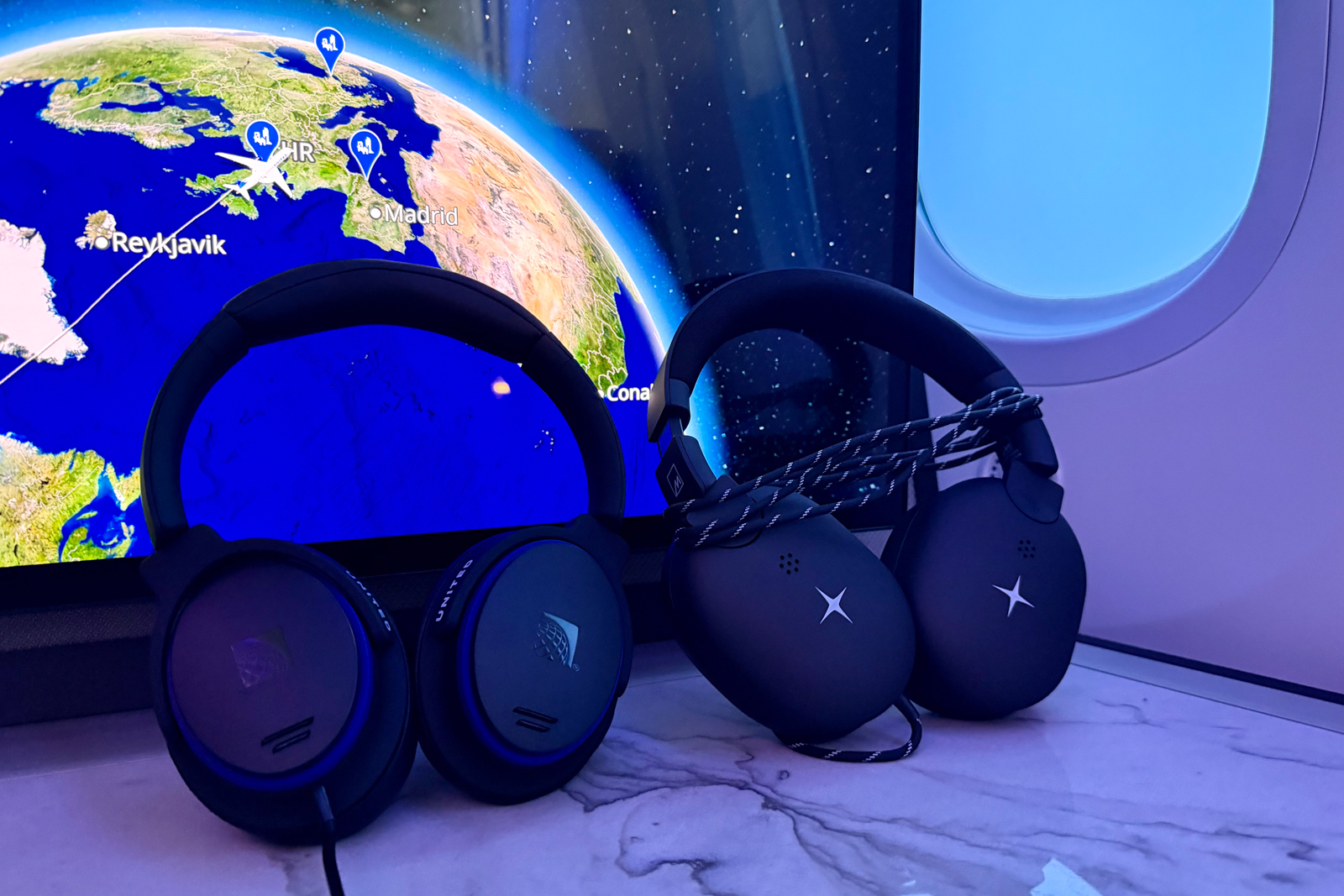
I stuck with the flight map, but I wish United had offered a screen-casting feature to extend the display from my laptop.
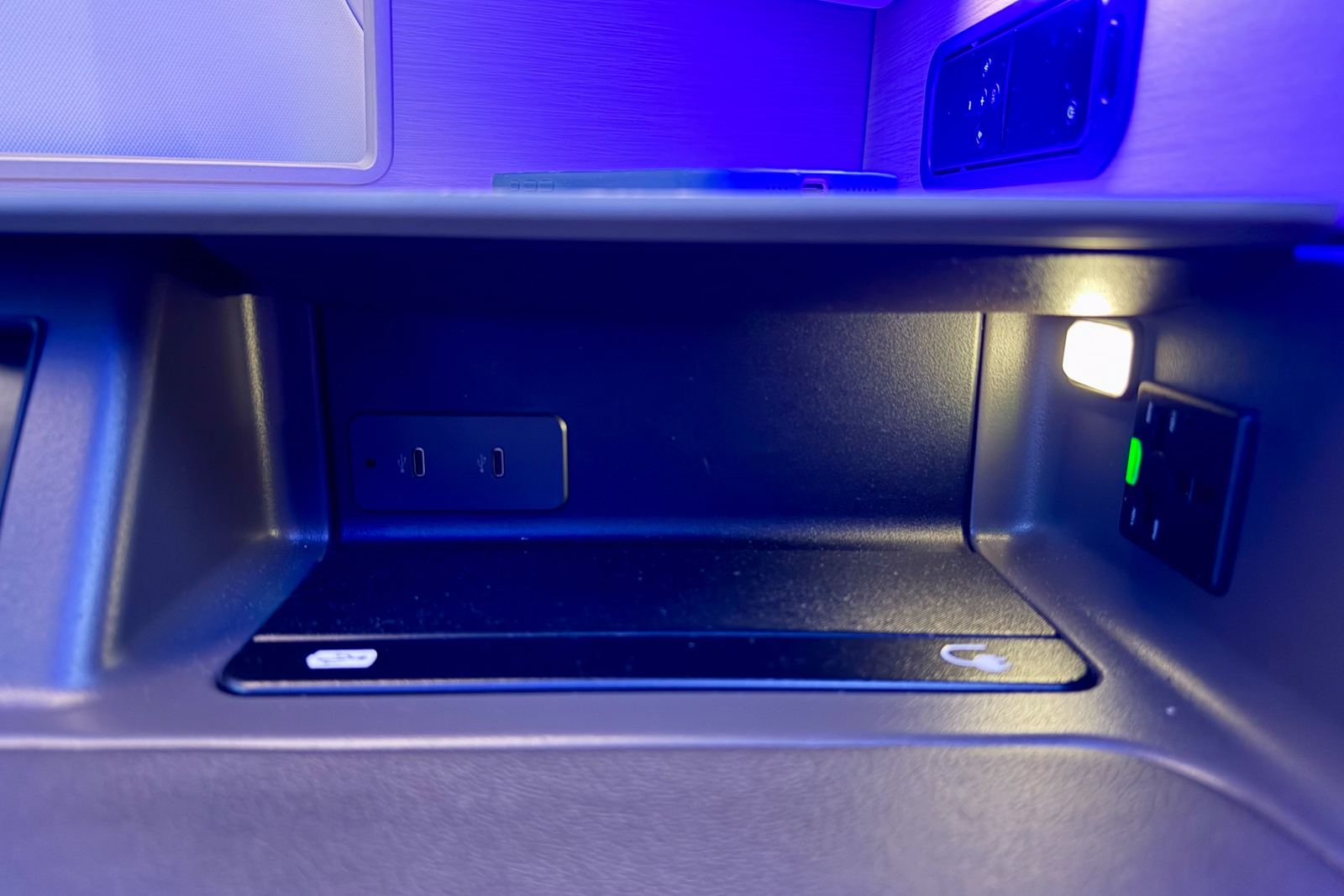
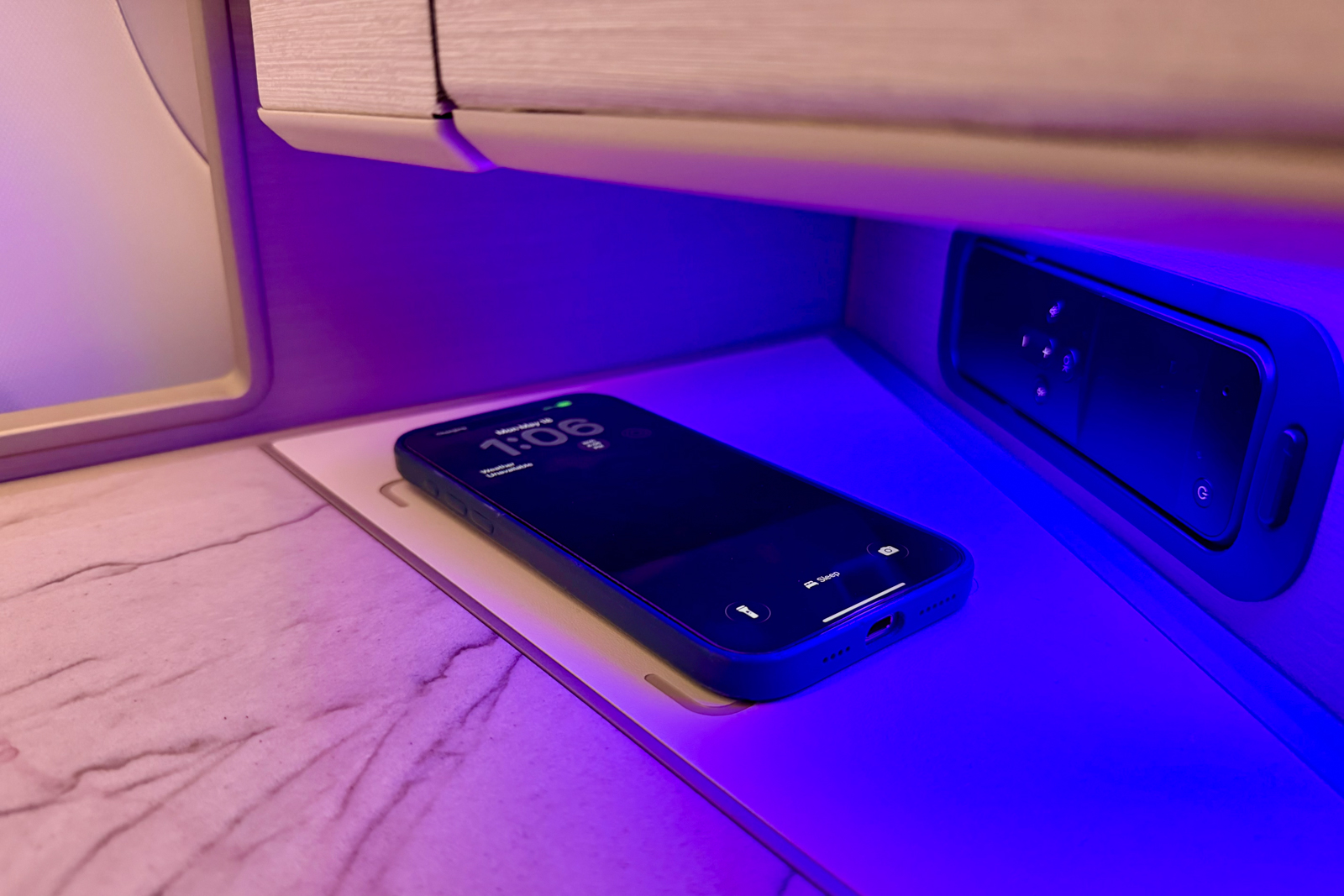
There’s one universal AC outlet and two USB-C charging ports at elbow level, plus a Qi wireless charging pad.
I always find my devices move around too much to stay charged on those.
Other unique elements include a new touchscreen seat control panel, which I found easy to use.
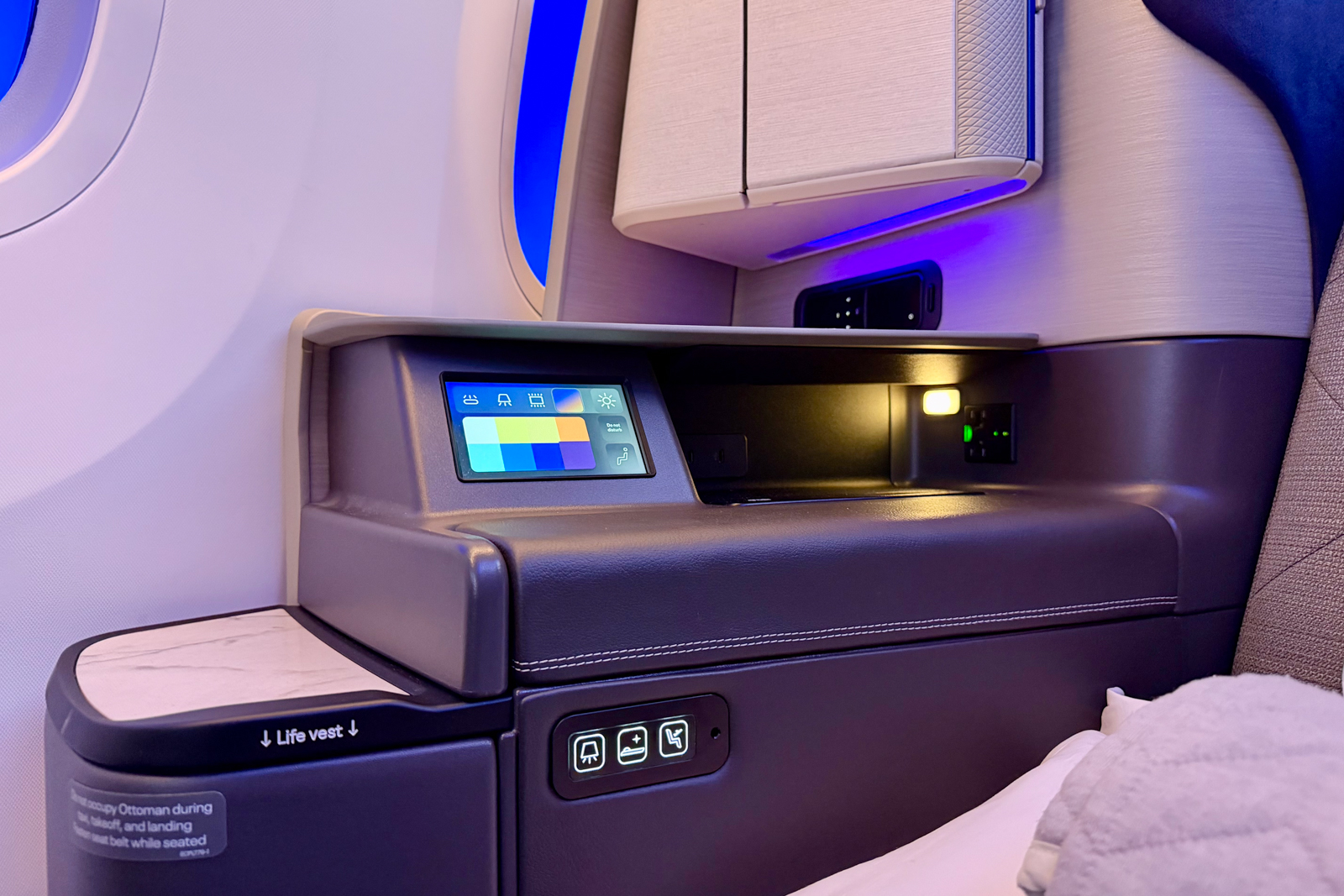
You can also adjust the backlighting color around the seat. There are eight choices, and the purple and blue looked the most on-brand.

The biggest tech downside is the Panasonic Wi-Fi, which remains United’s slowest and most unreliable provider. The $8 internet worked fine on my flight, but I’m counting down the days until this jet gets Starlink.
United Polaris Studio: Elevated dining and service
United didn’t just make the seat bigger. It also created an entirely upgraded service and amenity offering for Studio passengers.
It starts on the ground with access to the Global Reception check-in facilities historically reserved for invite-only Global Services members. You’ll also have access to the Polaris Lounge, though there aren’t any Studio-exclusive amenities there (at least not yet).
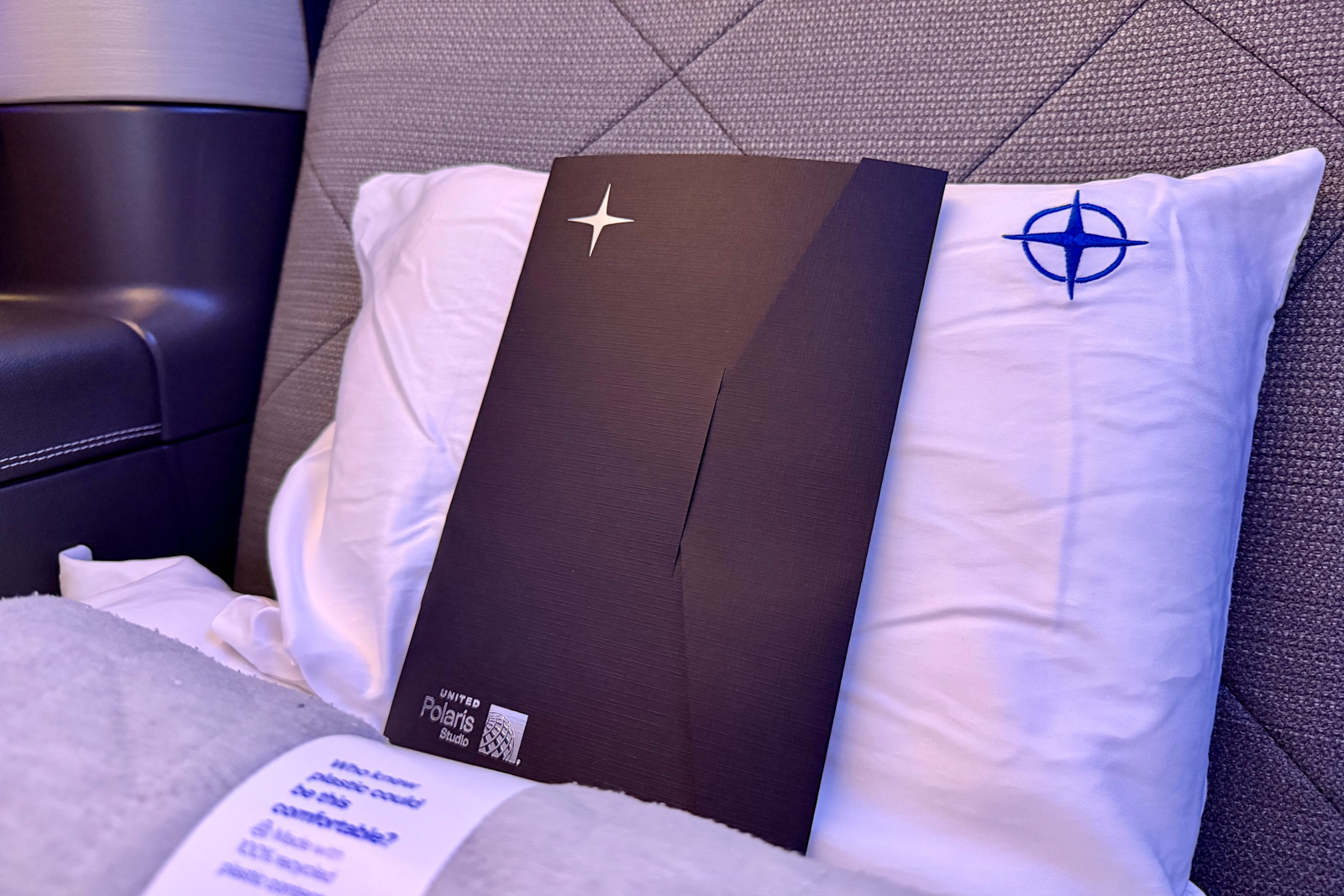
Once onboard, you’ll peruse a menu designed exclusively for the Polaris Studio.
That includes an amuse-bouche service of Sasanian royal osetra caviar and Laurent-Perrier Cuvée Rosé Champagne — both exclusive to Studio passengers.
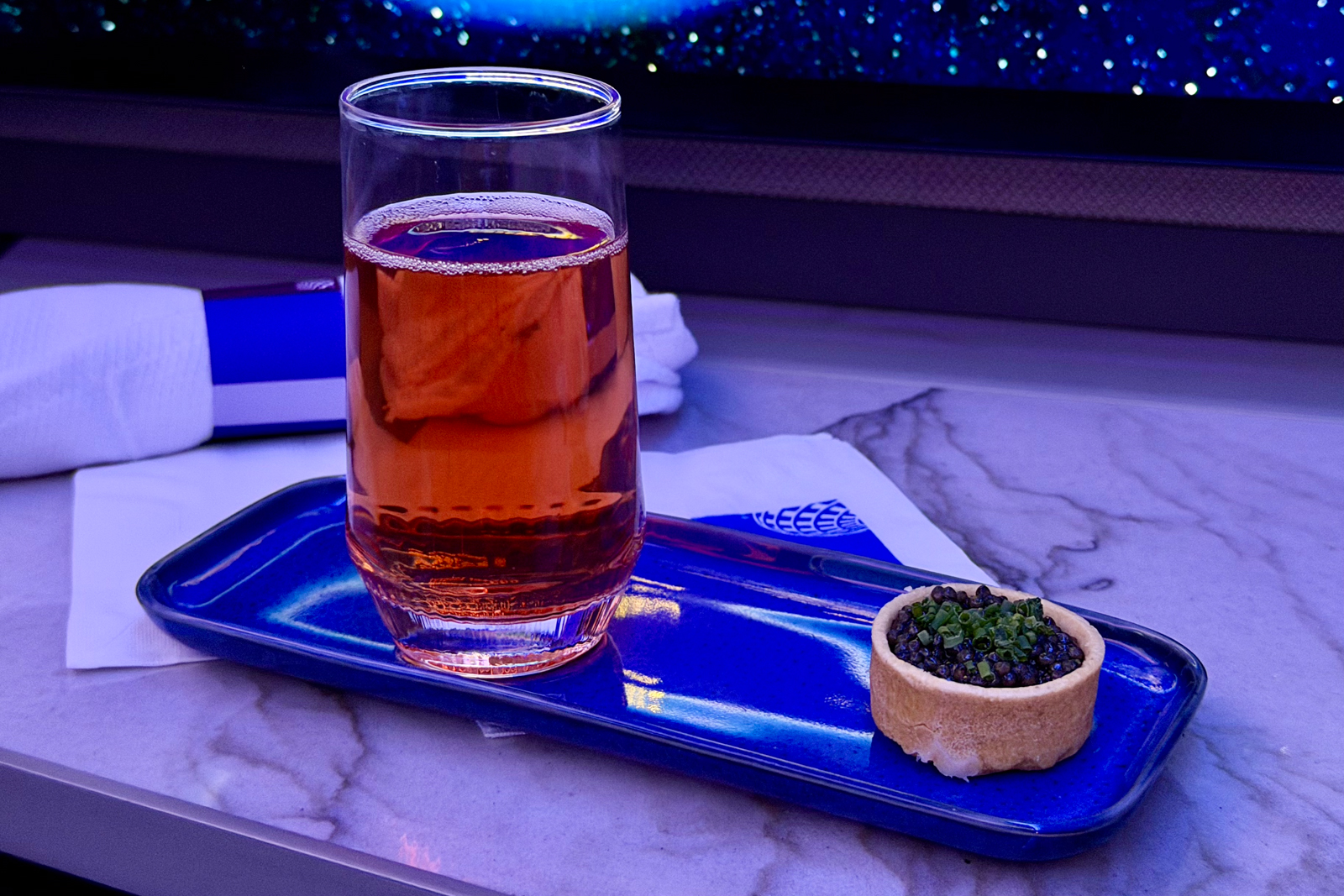
While this wasn’t Lufthansa first-class portions, I was impressed by the size and taste of the tart, especially for a U.S. airline. (I asked for seconds. It’s one per Studio passenger.)
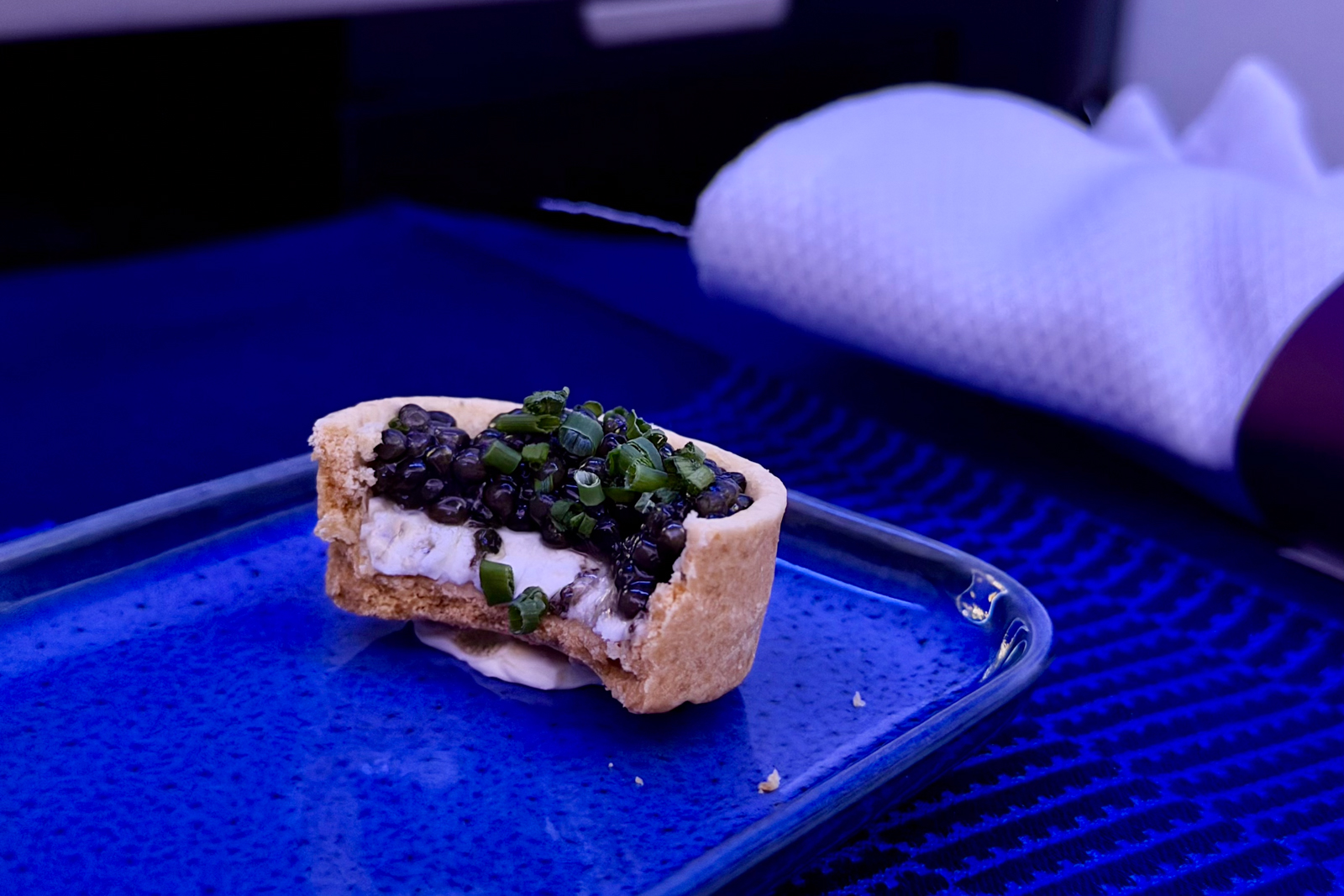
You also get a larger appetizer course featuring a trio of (unspecified) mini eats, plus the standard Polaris picks.
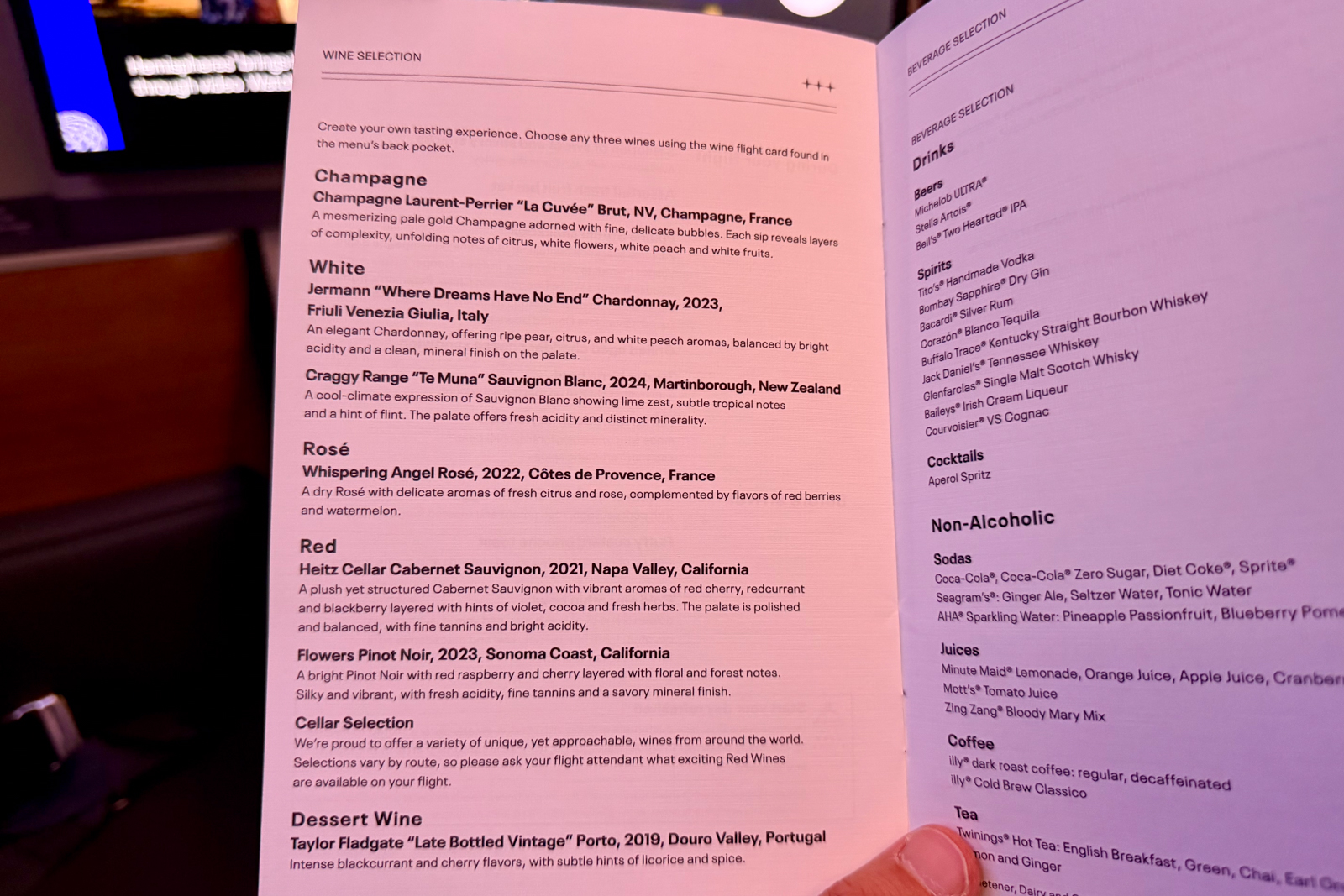
Studio passengers also get an enhanced selection of pre-order entrees. I booked my flight within 24 hours of departure, which meant I had to pick from the regular menu. I went with the Chilean sea bass, which was quite tasty.
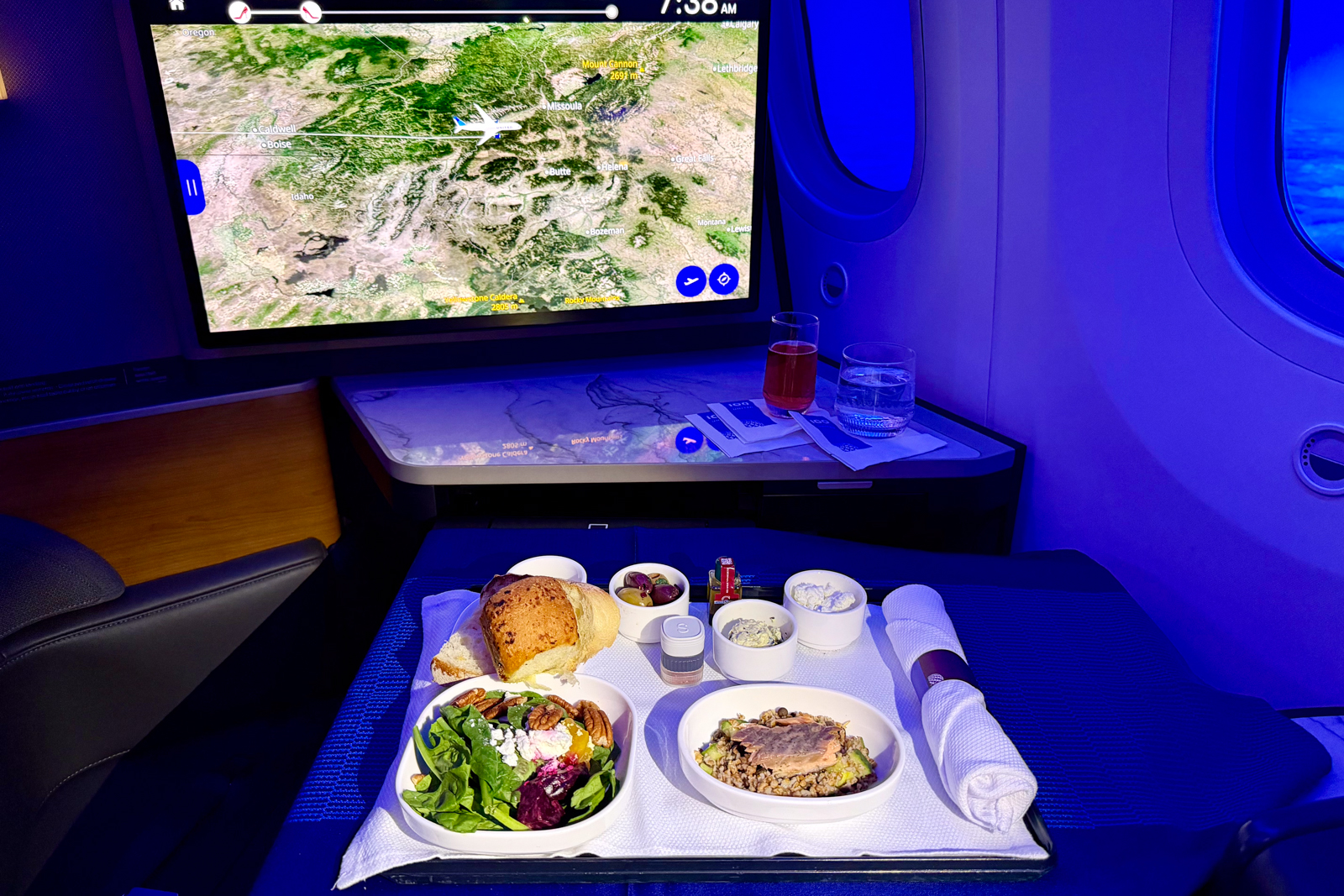
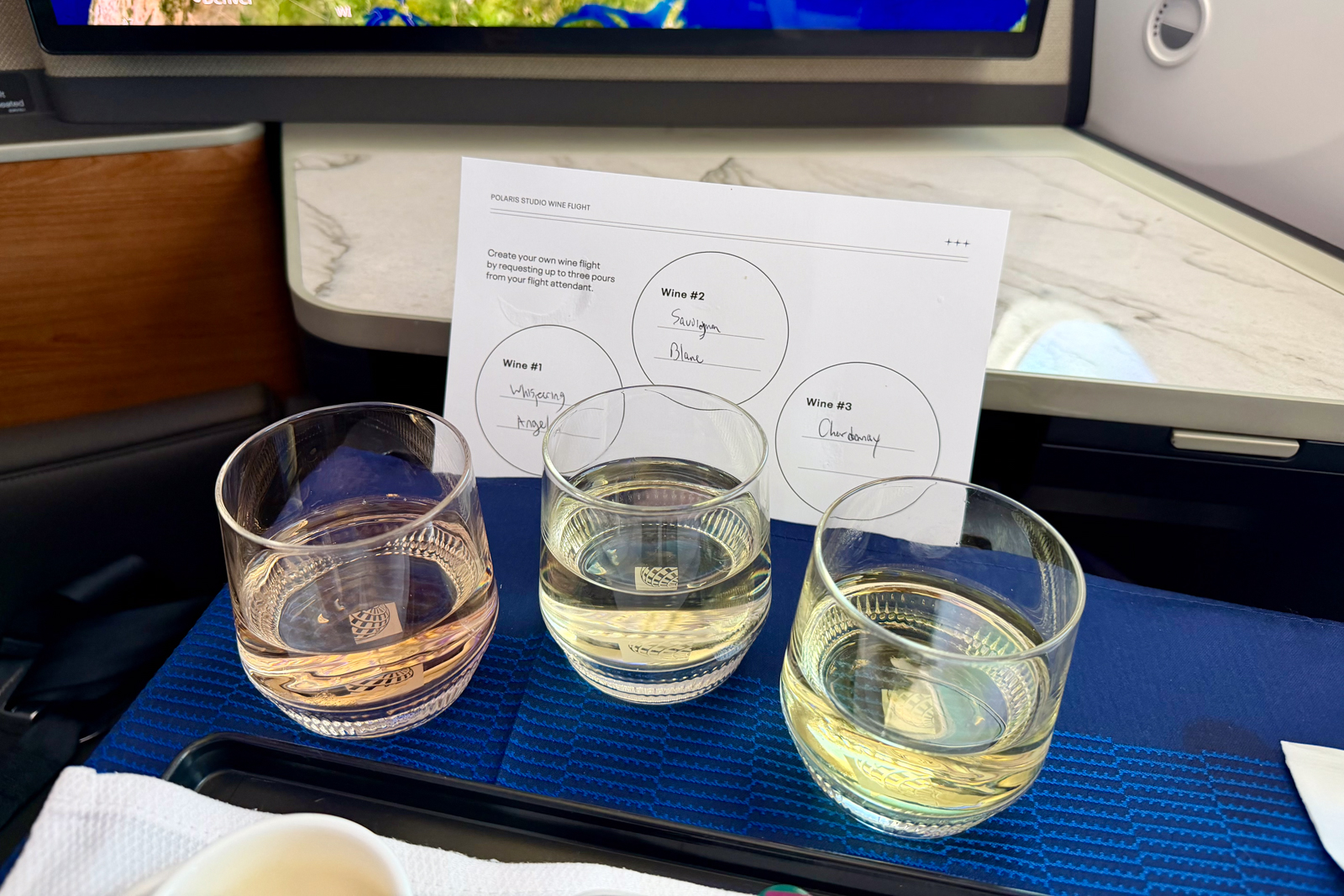
That was served alongside yet another Studio-exclusive offering: a wine flight.
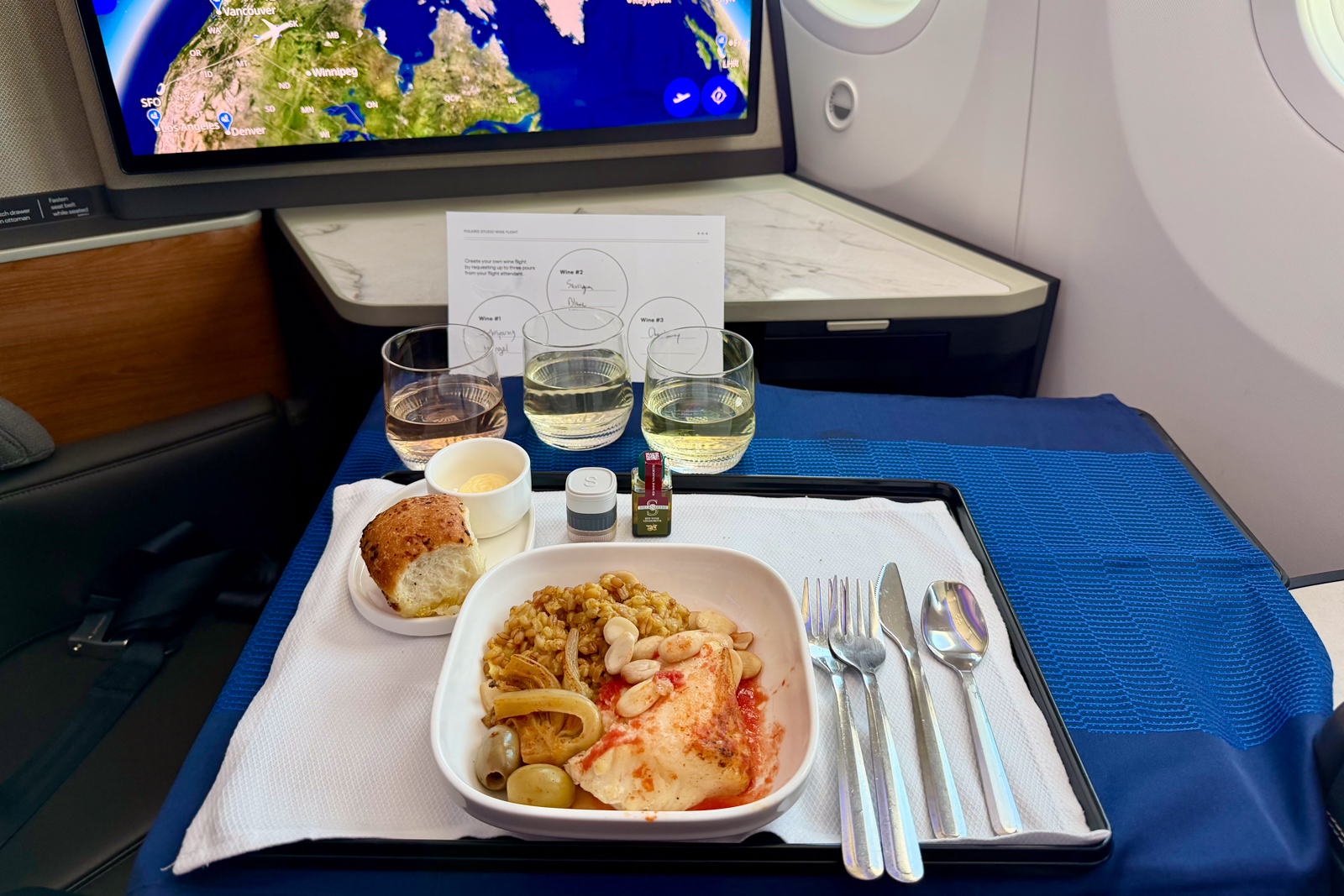
Long-time United flyers might remember when the airline debuted wine flights in tandem with Polaris 1.0 — and quickly cut the service when onboard wine consumption tripled.
I finished the meal with the signature Polaris sundae, which is always a hit, no matter where you’re seated.
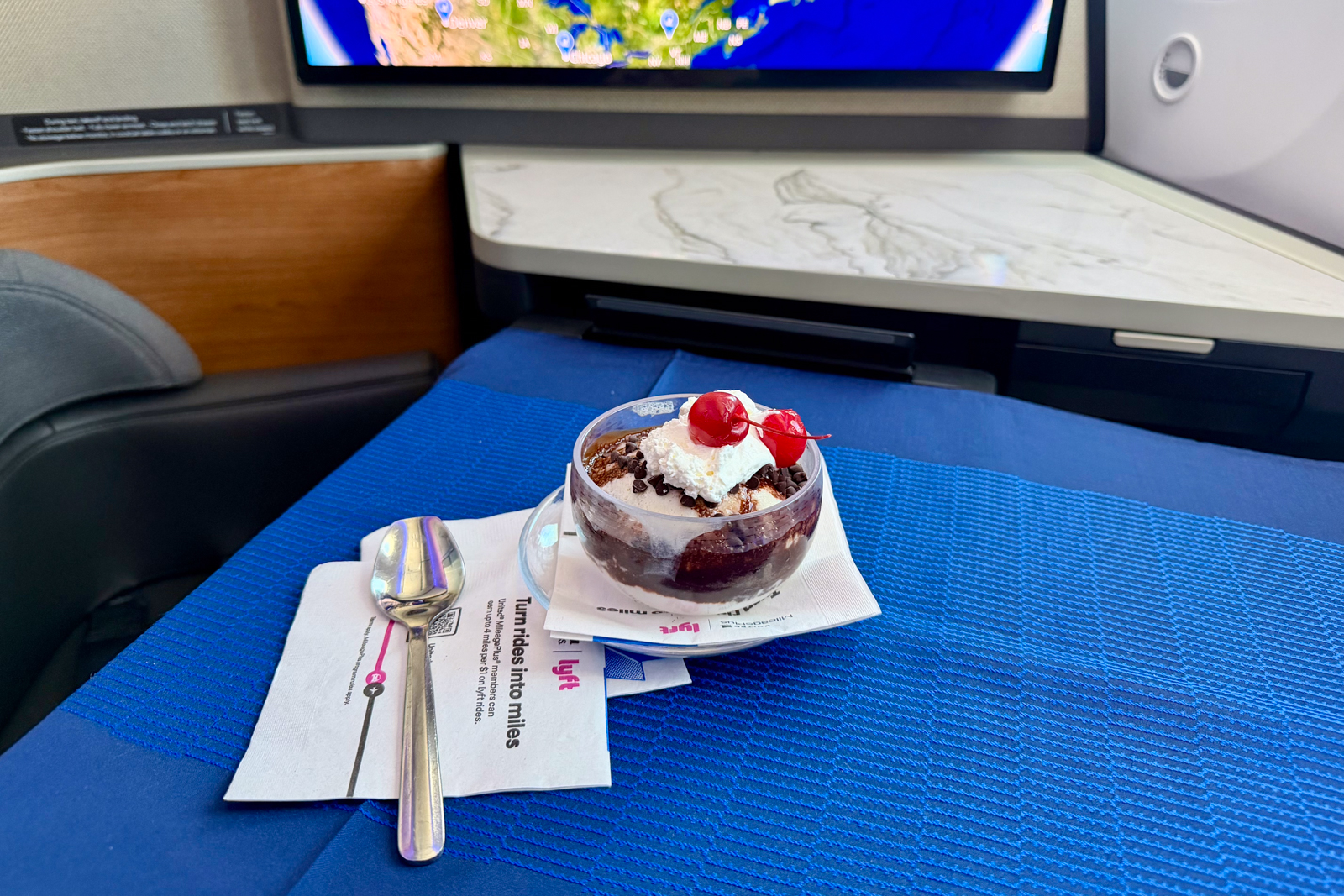
It took the crew just over two hours to complete the first meal service.
It was their first time working the Elevated 787, but you wouldn’t necessarily know it. All courses except the entree are served from carts, so Studio passengers are the first in the cabin to receive their food.
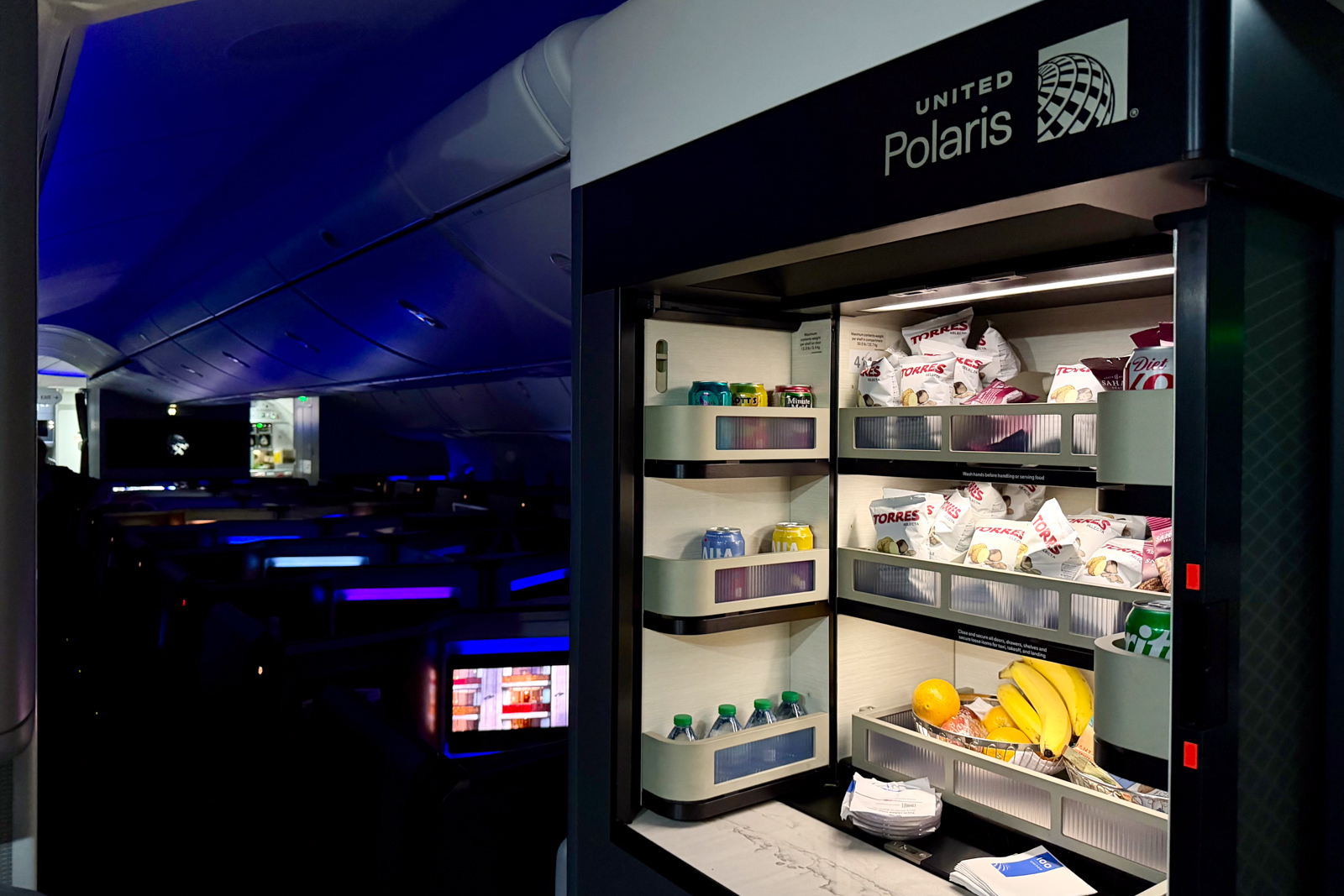
After the meal, Studio passengers receive a special snack box with fancier picks than the nuts and chips waiting in the self-serve snack bar.
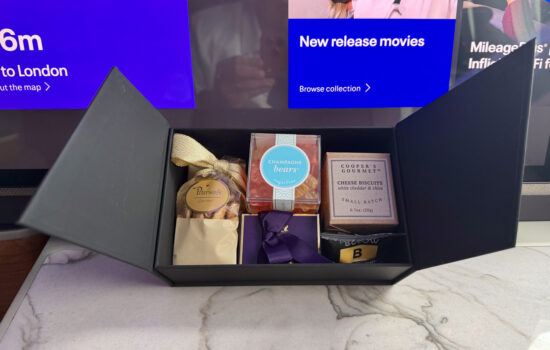
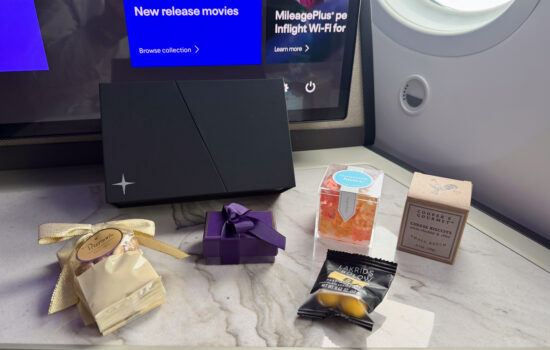
I’m a sucker for Sugarfina treats, so I was glad to munch on those champagne bears.
I skipped the pre-arrival meal — is airplane breakfast ever worth it? — and still landed at Heathrow quite full from dinner.
United Polaris Studio: Stacked amenities
The Studio also includes a suite of special onboard amenities.
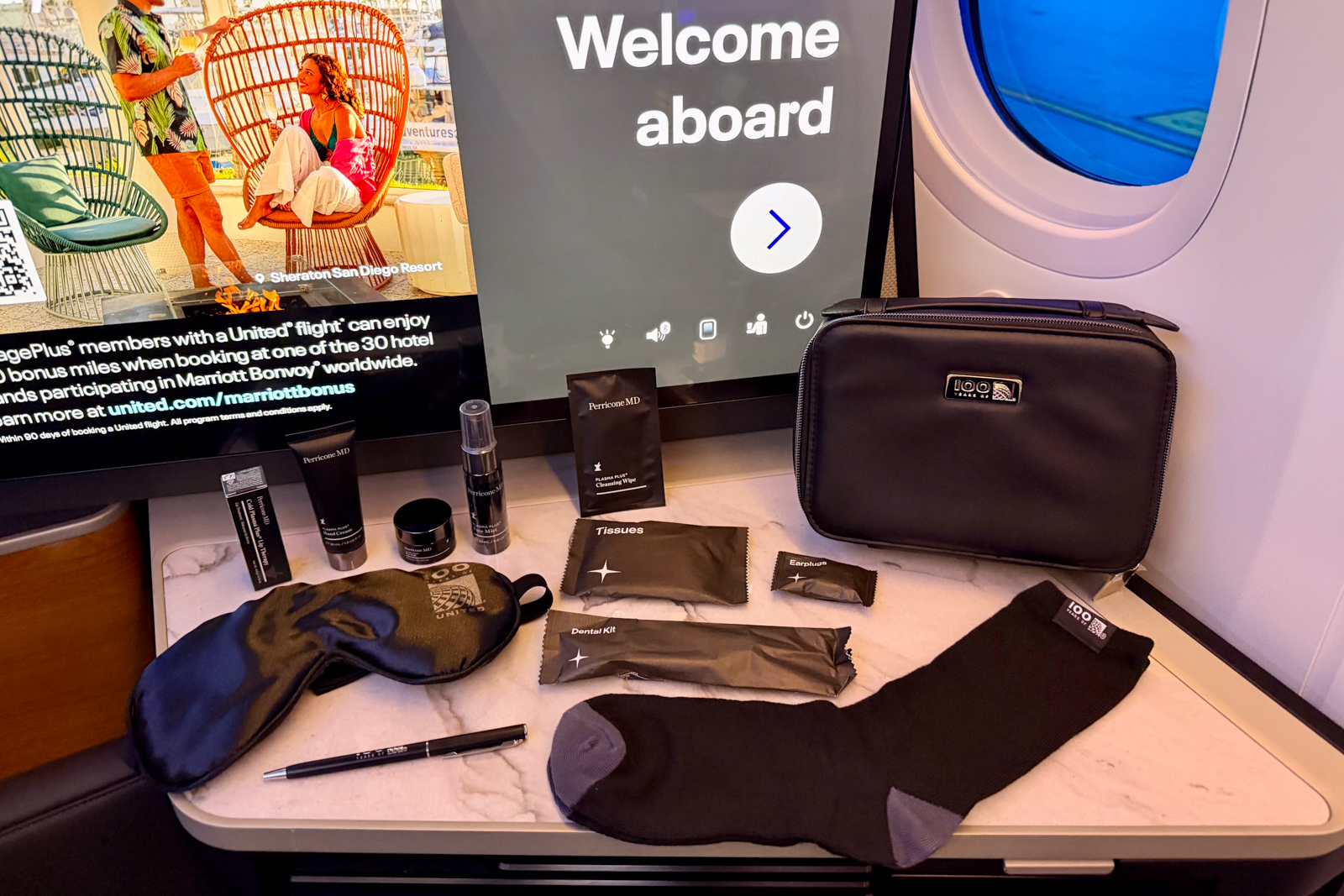
Waiting at your seat is an oversized amenity kit stocked with additional wellness products from Perricone MD, plus a more plush eye mask than the regular kit.
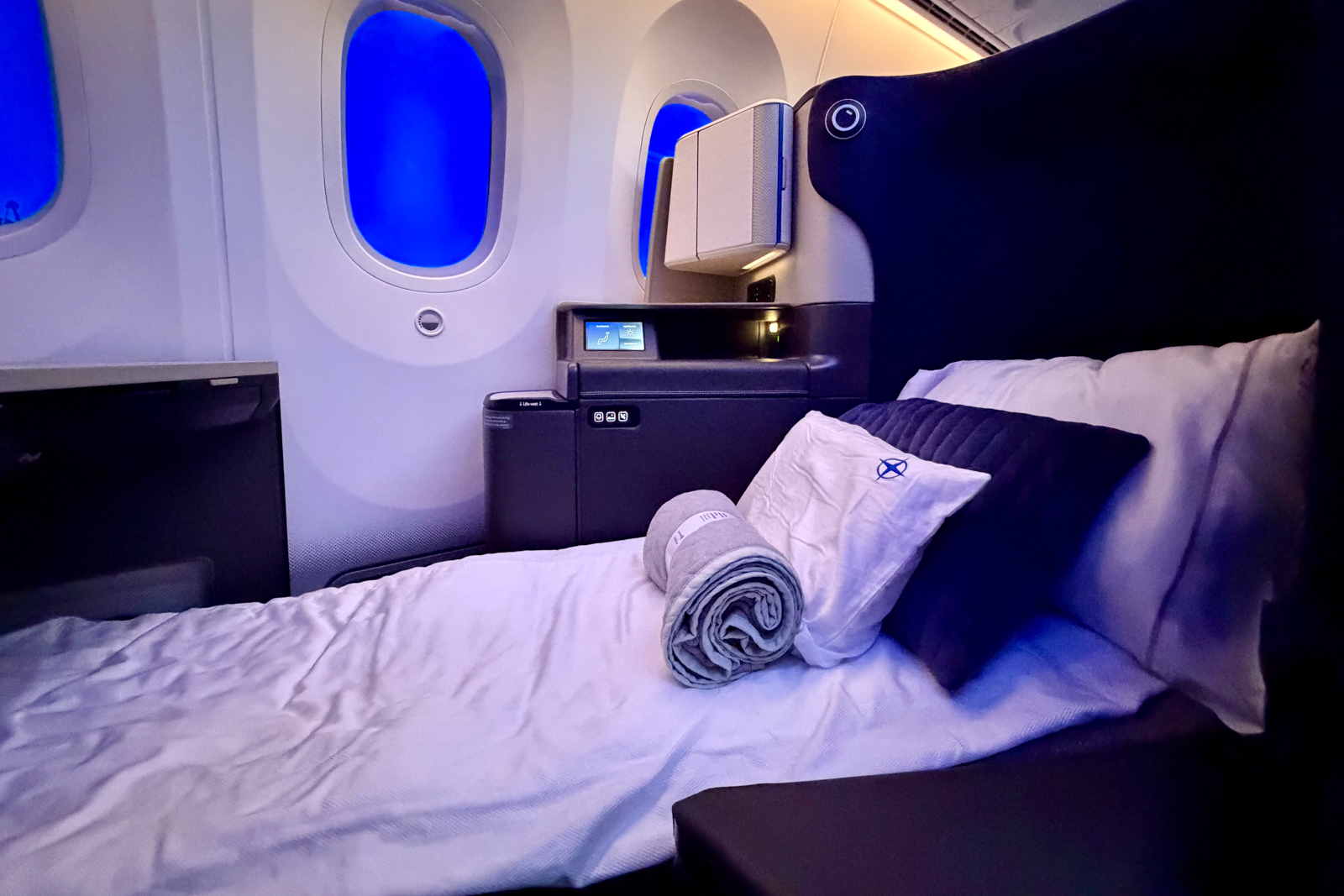
When it’s time for bed, you’ll find all the typical Saks Fifth Avenue-branded bedding, including a mattress pad, duvet, gel pillow, and plush pillow. Studios also get a navy blue throw pillow for the ottoman.
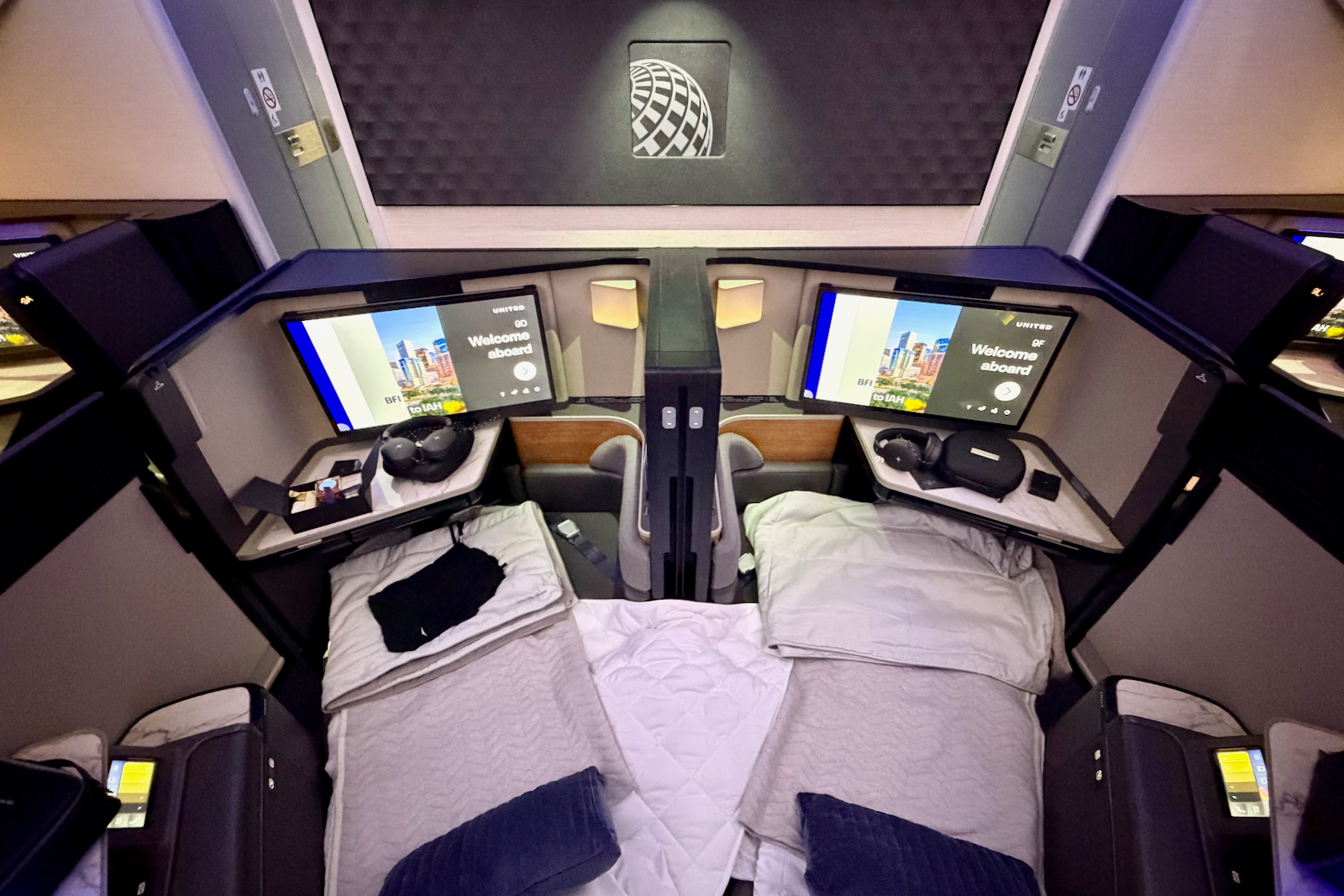
Those seated in 9D and 9F can convert the seats into a double bed.
No matter what route you’re flying, you’ll enjoy comfortable hoodie-style pajamas (with pockets) and black slippers with the Polaris Studio logo — a small branding touch that differentiates the product and carries through the experience.
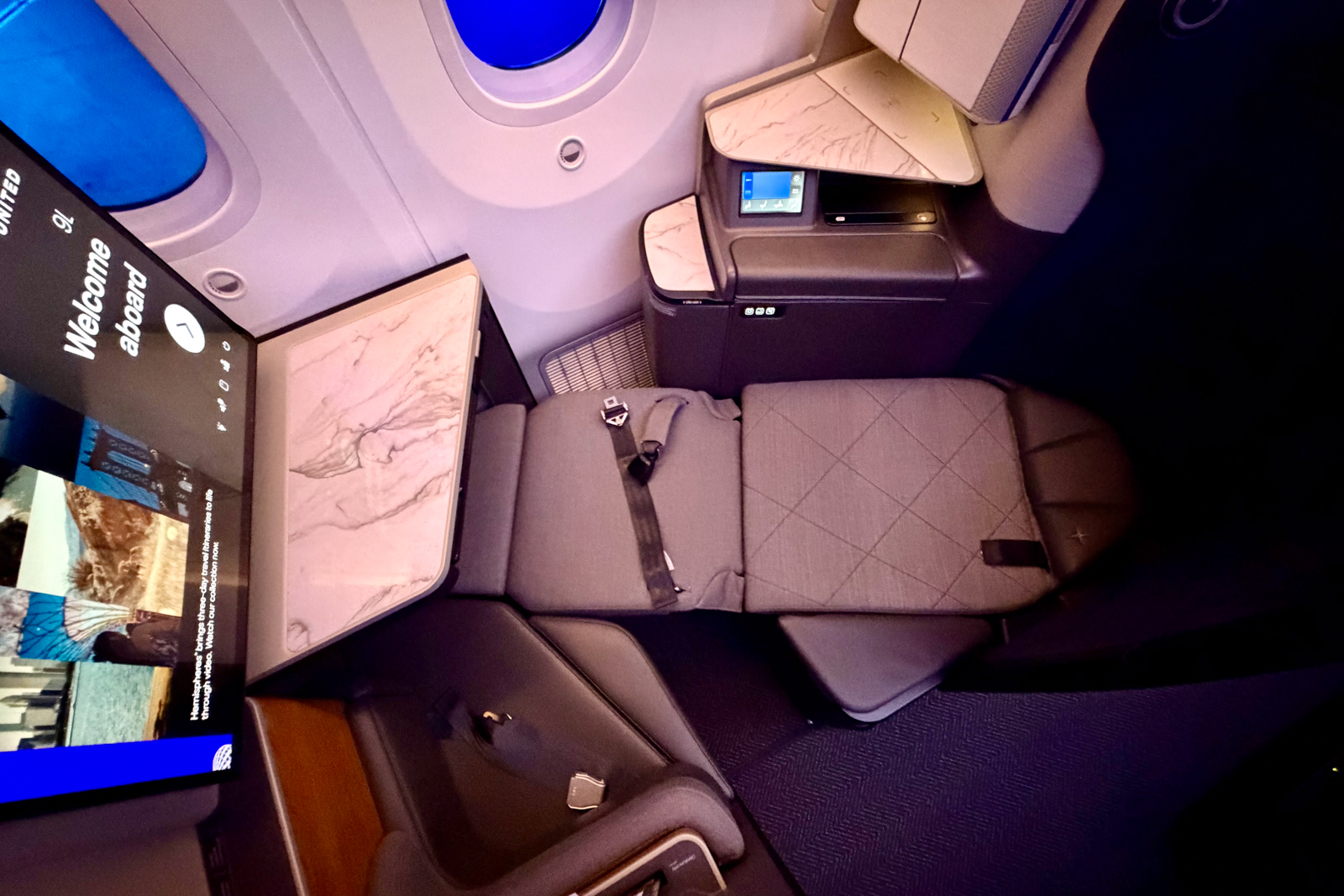
As for the bed itself, it measures just 75 inches long. There’s no restrictive footwell, but I still found myself contorting into various positions to get comfortable.
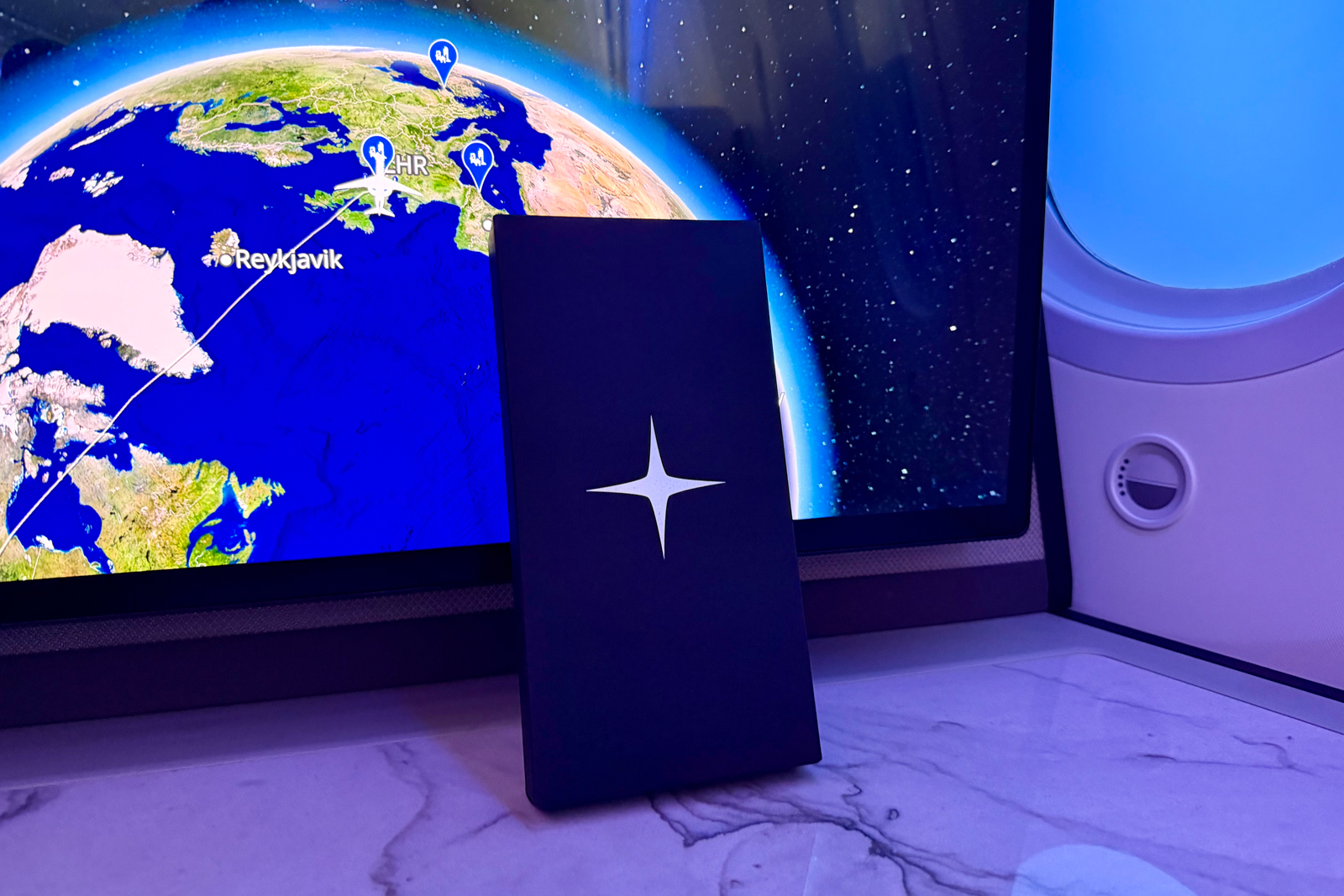
As we landed, the purser brought a parting gift for each Studio passenger.
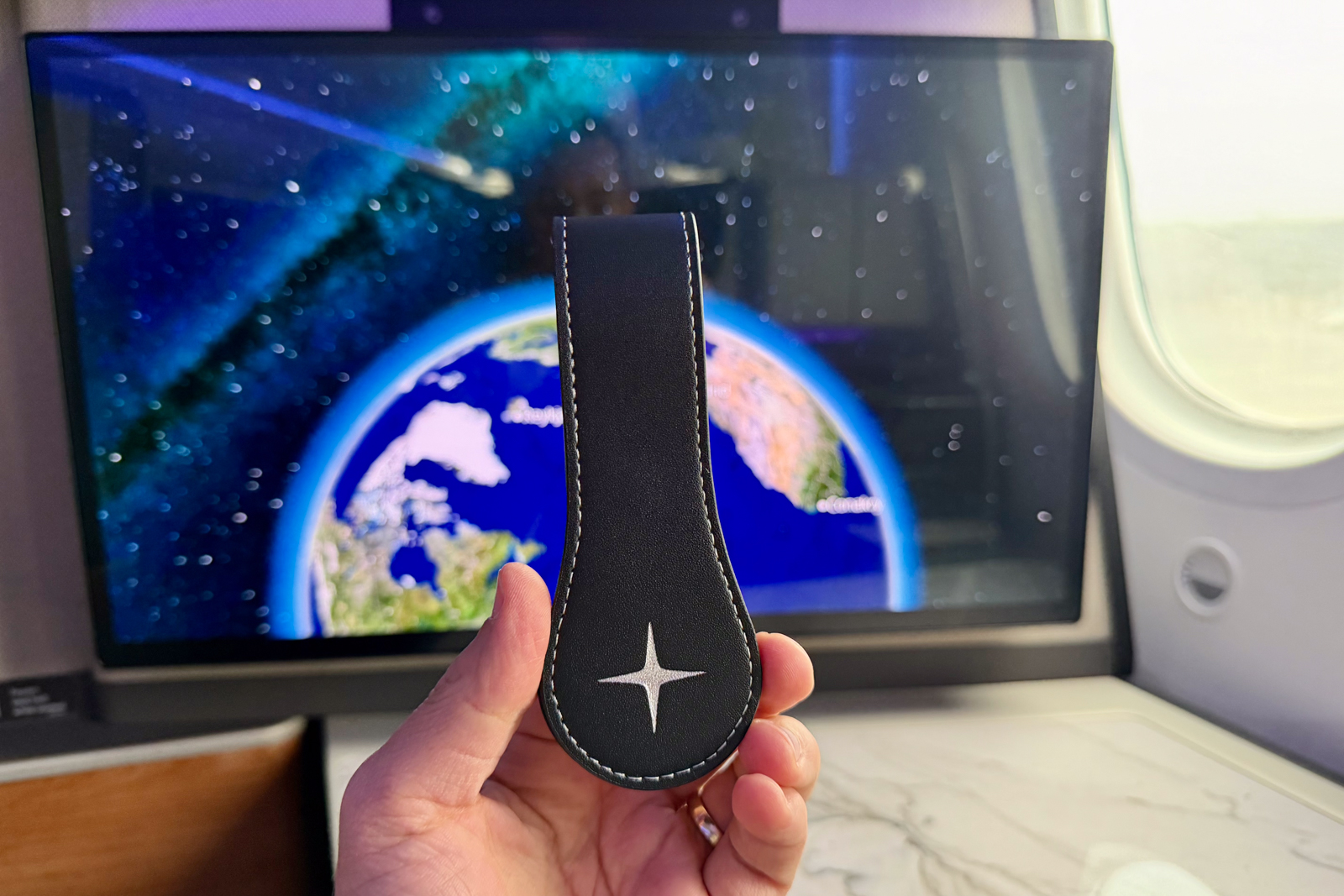
She described it as a GPS tracker, which to me meant an AirTag. Turns out it wasn’t an AirTag but rather a faux-leather luggage tag that doubles as an AirTag holder.
United Polaris Studio: Bottom line
The Polaris Studio is hands down the best business-class experience offered by a U.S. airline.
From the oversized seat to the high-tech touches to the special service and amenities, United did a fantastic job elevating (pun intended) what could’ve otherwise been just a larger business-class-plus suite.
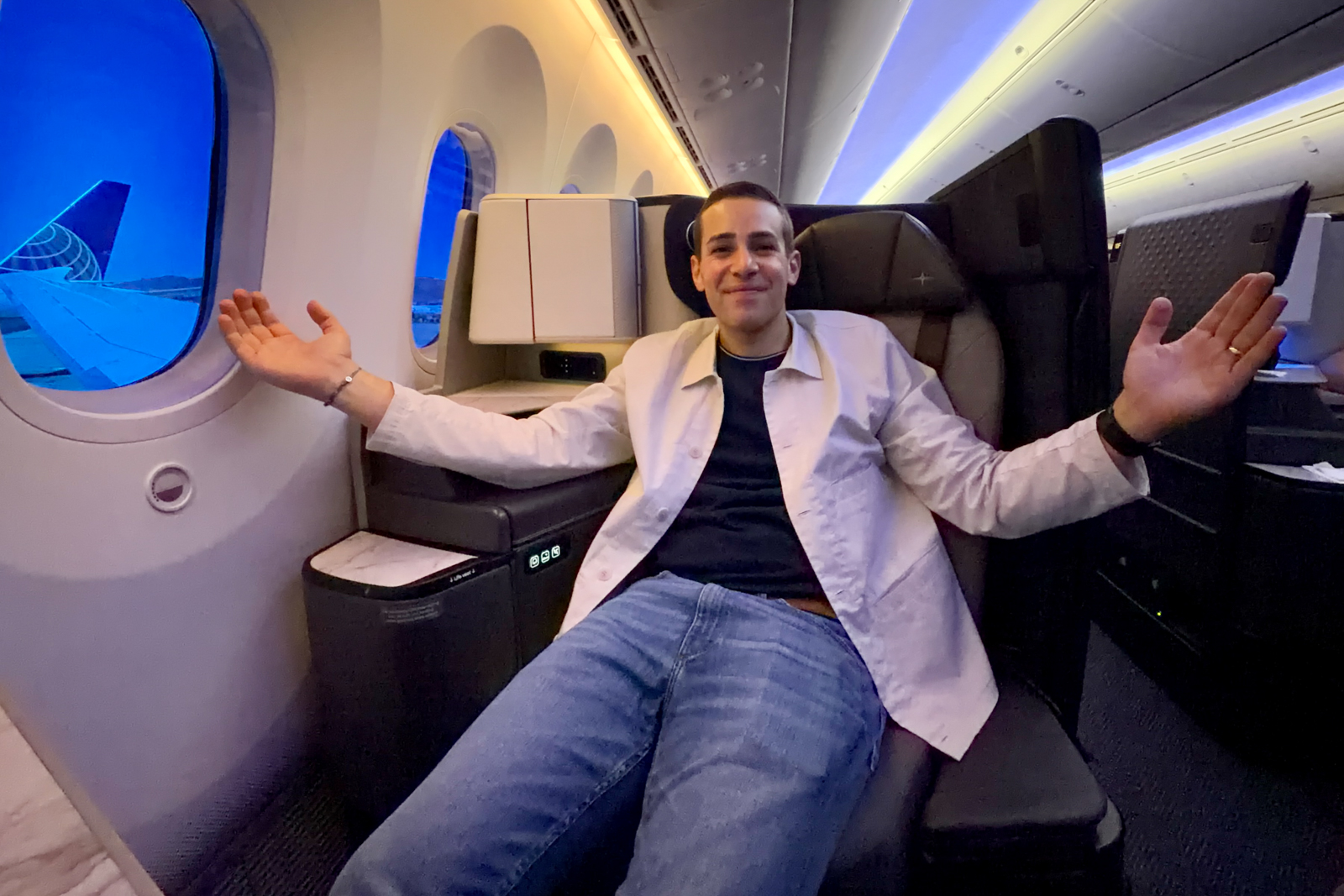
For that alone, the airline deserves kudos.
That said, the biggest issue for me is the price.
Sure, the product is great — but is it $699 better than the Elevated Polaris suite? I haven’t flown the regular suite yet, but I’d bet the answer is no.
Subscribe to the newsletter
Get the front-row look at the evolving world of travel, loyalty, tech and lifestyle — delivered directly to your inbox.






It’s fascinating that the Polaris Studio elevates the in-flight experience with such impressive tech and dining, making the $699 premium feel more tangible than traditional lie-flat upgrades. The review’s focus on the ‘stacked amenities’ really highlights a shift toward treating the cabin as a private lounge rather than just a seat, which is a game-changer for long-haul business travel.
It’s not elevated enough, Zach. No F or J fare should include an internet connection fee. None. Especially in this elevated Polaris Plus category. 75” horizontal leg room is too short for a seven hundred dollar tack-on charge. I’m 77 inches; where am I supposed to tuck those two extra inches? Those horrible red cherries might do the trick in a boring domestic F Transcon, but for Polaris UA needs a much higher-end cherry for its signature Sundaes.
I booked 1 d and f for $499 on a z fare.
Row 9 is too close to the bathrooms.
Questions
Is 2-8 or 10/17 in the center section better for couples?
Upon arrival in Europe do they deplane from ahead of row 1 or ahead of row 9?